



AI Infrastructure Selloff | Cross-Border Sellers Watch Financing Risk
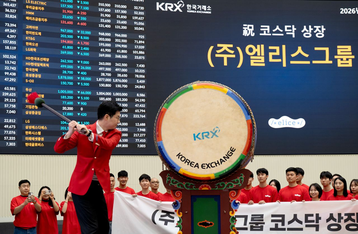
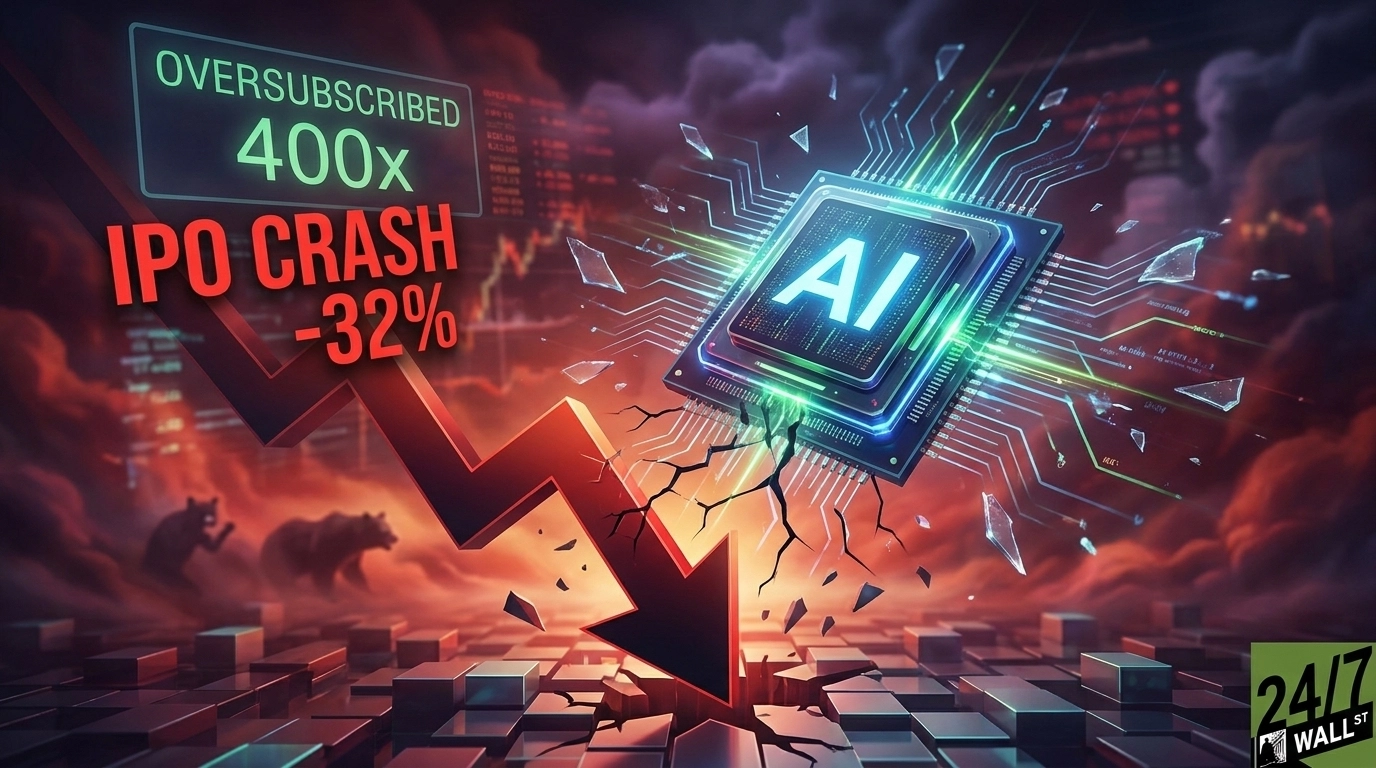
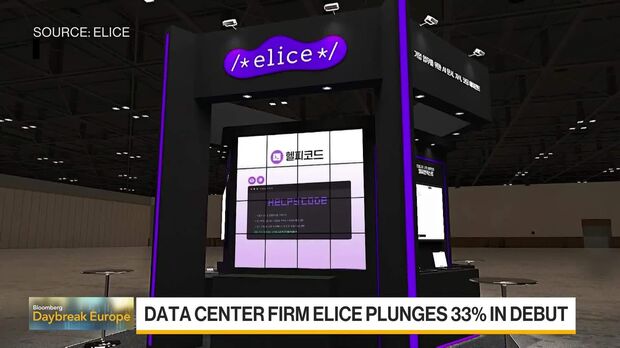
- Elice shares fell 32% on debut April 21 2026 as investors scrutinize AI capex, signaling tighter credit for neocloud-linked sellers' supply chains













Overview
The news reports that Elice, a Seoul-based neocloud provider, fell 32% in its trading debut on Tuesday, April 21, 2026, despite raising 201 billion won (about $151 million) in an IPO priced at the top of its range, then rebounded roughly 30% on April 22. The episode signals that investors are shifting from rewarding the size of AI capex announcements to demanding adequate returns on that capital. For cross-border sellers, this is not a direct Amazon, Shopify or TikTok Shop fee change, but it is an early warning on the cloud, memory-chip and financing layer that powers modern e-commerce tools and logistics software.
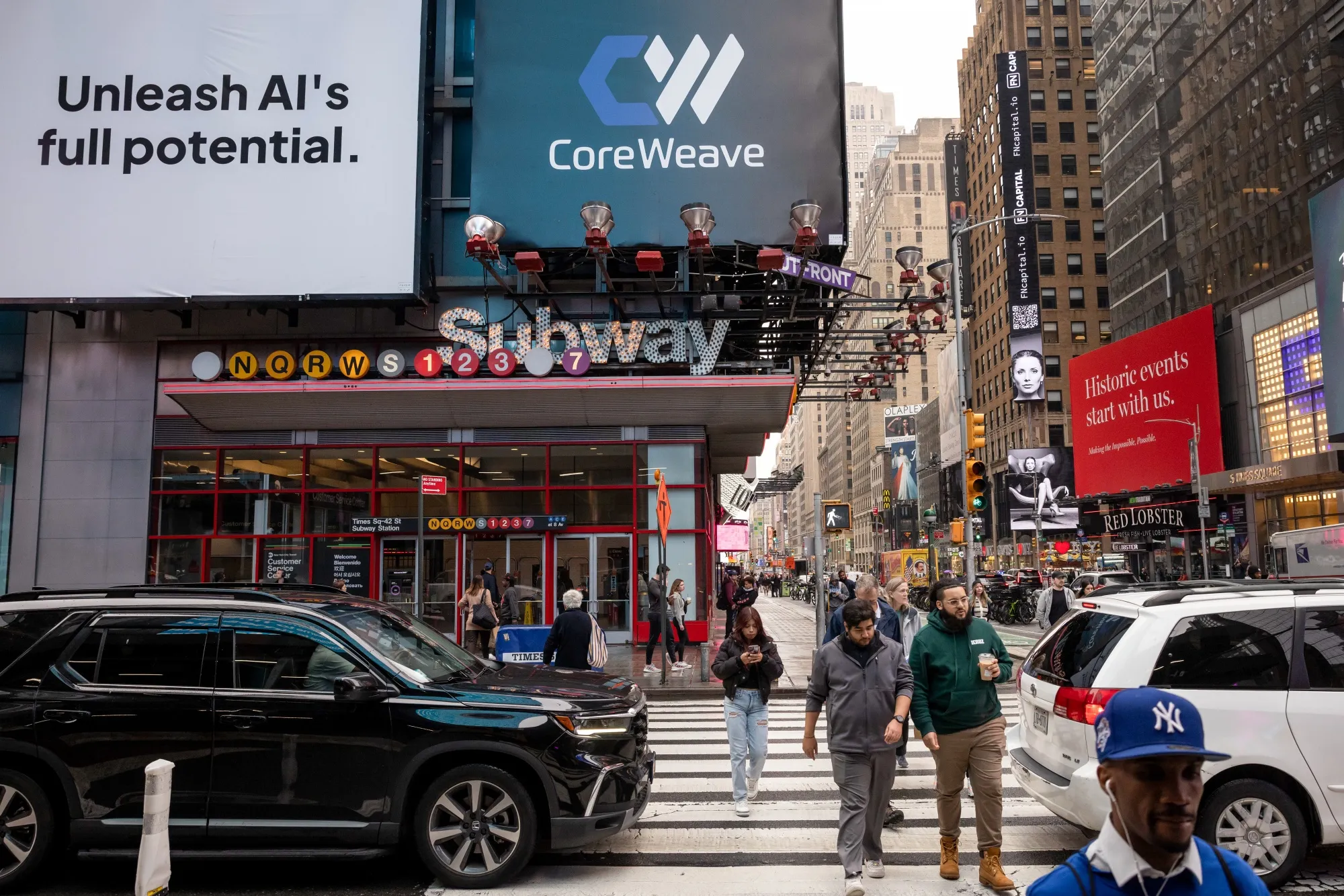
The operational risk sits in platform infrastructure costs. The news reports that Global X's Billy Leung identified neocloud providers expanding faster than their cash generation, particularly those dependent on external financing, as the most vulnerable, while Zacks' John Blank cited CoreWeave and widening credit spreads as evidence of broader market stress. Industry context: many AI features in seller tools, from listing generators to ad-bidding engines, run on rented GPU capacity. If financing tightens, SaaS vendors may raise subscription prices or cut free tiers. Sellers using third-party repricing, review-analysis or creative-generation tools should expect 5-15% price pressure at renewal in similar tightening cycles, though this is an industry pattern rather than a reported change.
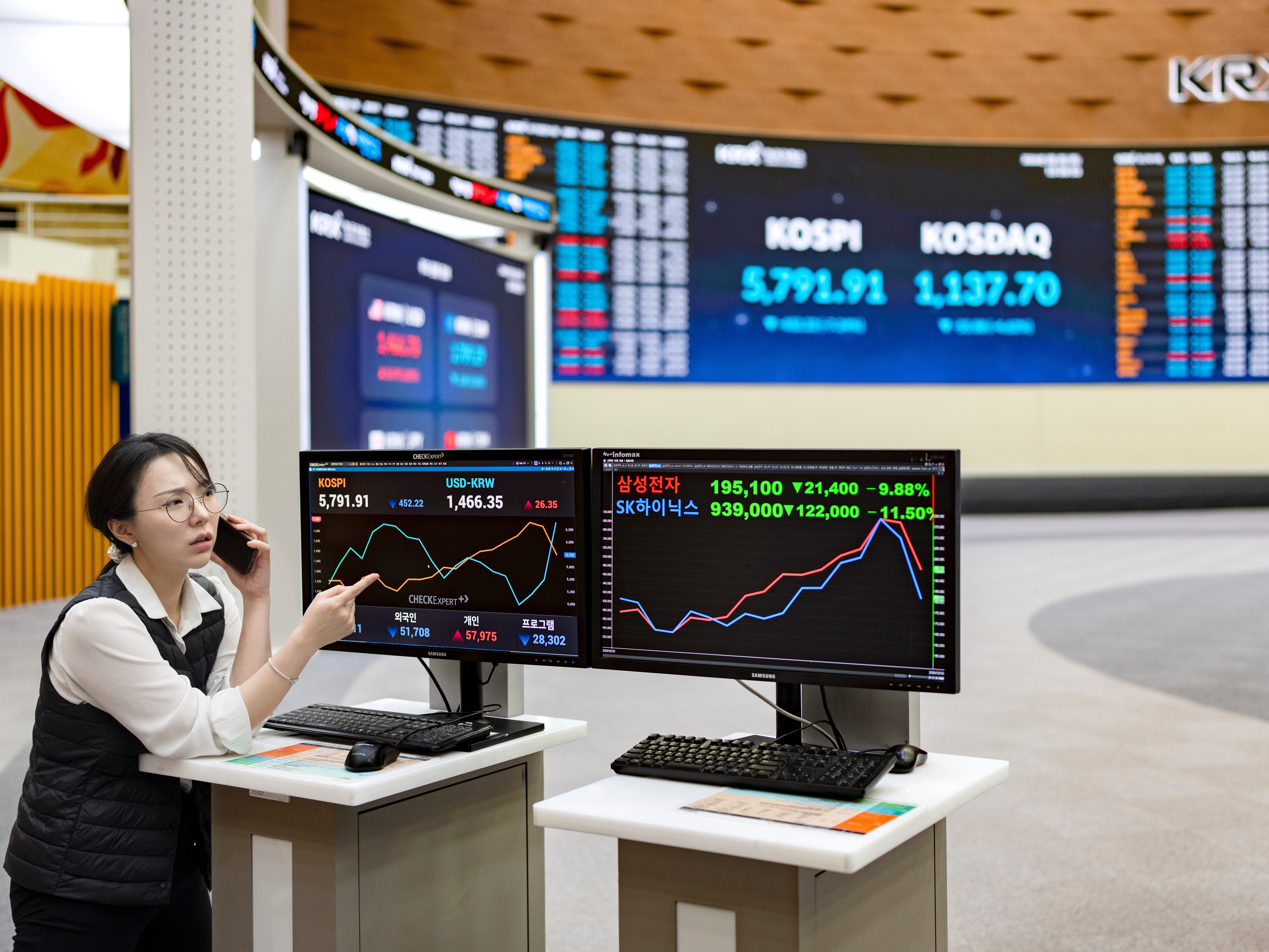
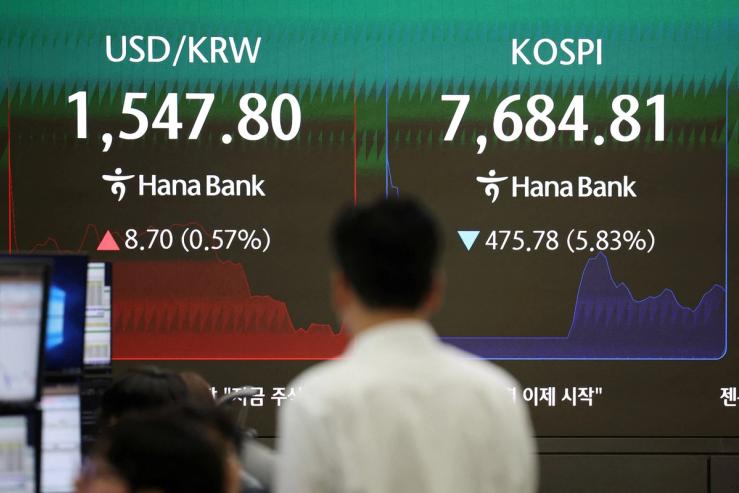
Asia-based sourcing is directly exposed. The news reports that SK Hynix and Samsung Electronics shares were pressured as investors reassessed AI spending, and that HSBC's Georges Elhedery urged lenders to examine tenancy quality and contract pricing for data-center projects. Leung noted rising earnings estimates across South Korea and Taiwan, suggesting the selloff reflects valuation sentiment rather than a demand collapse. Sellers sourcing consumer electronics, phone accessories or memory-based devices from South Korea and Taiwan should therefore expect price volatility rather than immediate shortages. Similar sell-offs historically have produced 2-4 week component price swings before stabilizing.
Specifically for sellers, the opportunity is limited but real: lower-cost software contracts may become negotiable as vendors compete for customers, and sellers with diversified cloud and tool stacks gain bargaining power. Track monthly SaaS invoices, DRAM and NAND spot prices, and any supplier quotation changes. Monitor credit-spread indicators and neocloud earnings through the next 1-3 months to judge whether the sentiment shift persists.
Questions 6
Will the AI infrastructure selloff raise Amazon or Shopify seller fees?
The news reports no direct change to Amazon, Shopify or TikTok Shop fees; the article explicitly states it does not address platform or fee changes. The indirect risk is that AI-powered seller tools rely on rented GPU capacity, so SaaS vendors facing tighter financing may raise subscription prices at renewal. Sellers should review tool invoices quarterly and keep Amazon Seller Central fee schedules as the official reference.
Why did Elice shares fall 32% in their trading debut?
Elice, a Seoul-based neocloud provider, fell 32% on Tuesday, April 21, 2026, despite raising 201 billion won (about $151 million) in an IPO priced at the top of its range. The news reports the drop reflects investor scrutiny of AI capex returns rather than weak demand. The stock rebounded roughly 30% on April 22, showing high volatility.