



Smart TV Ad Blocking via AI Agents | Indirect Seller Signals
- Developer-led AI debloating targets ACR tracking on Android TV, Google TV and Fire TV devices, with mixed results and limited direct cross-border impact





Overview
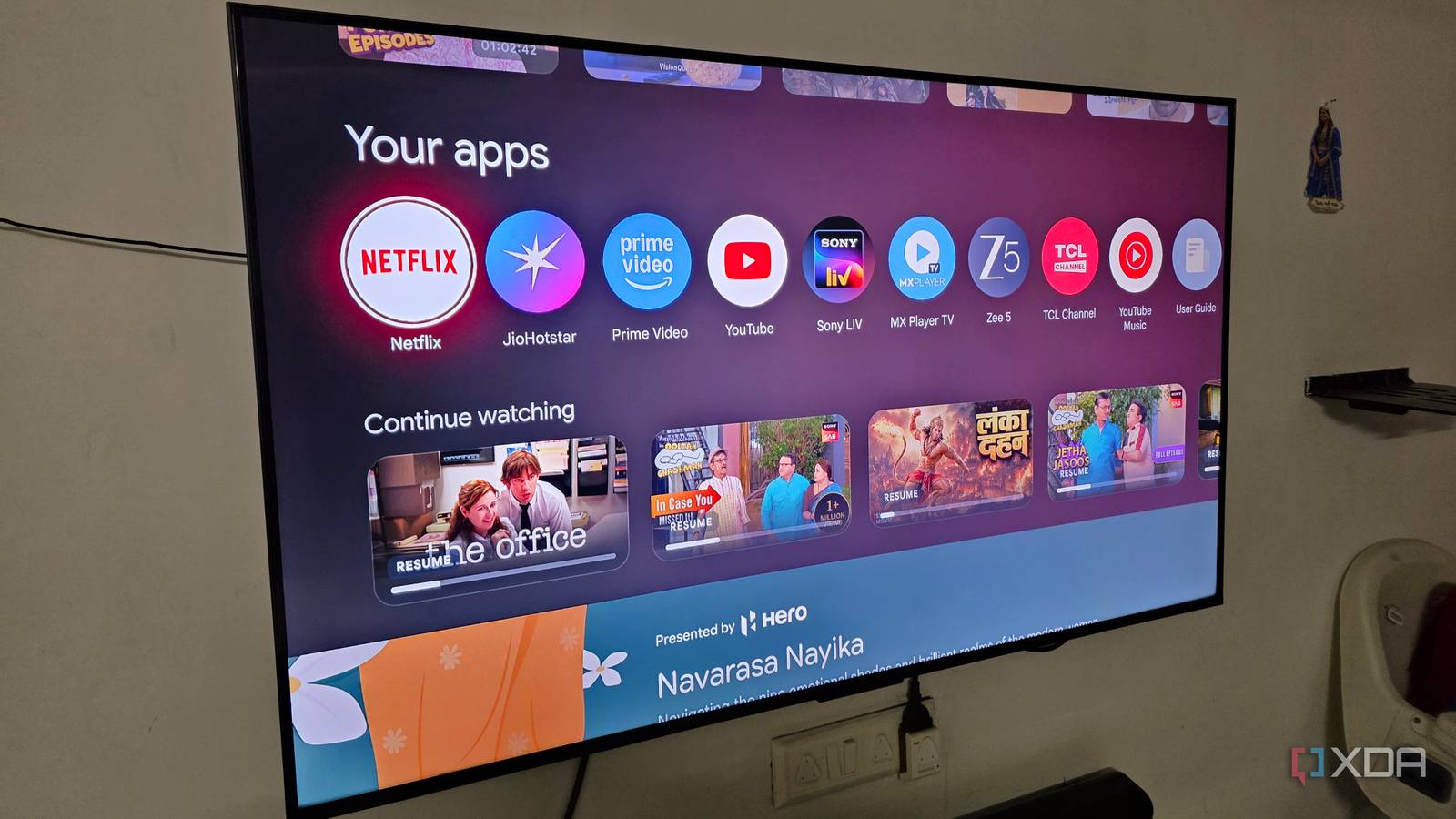
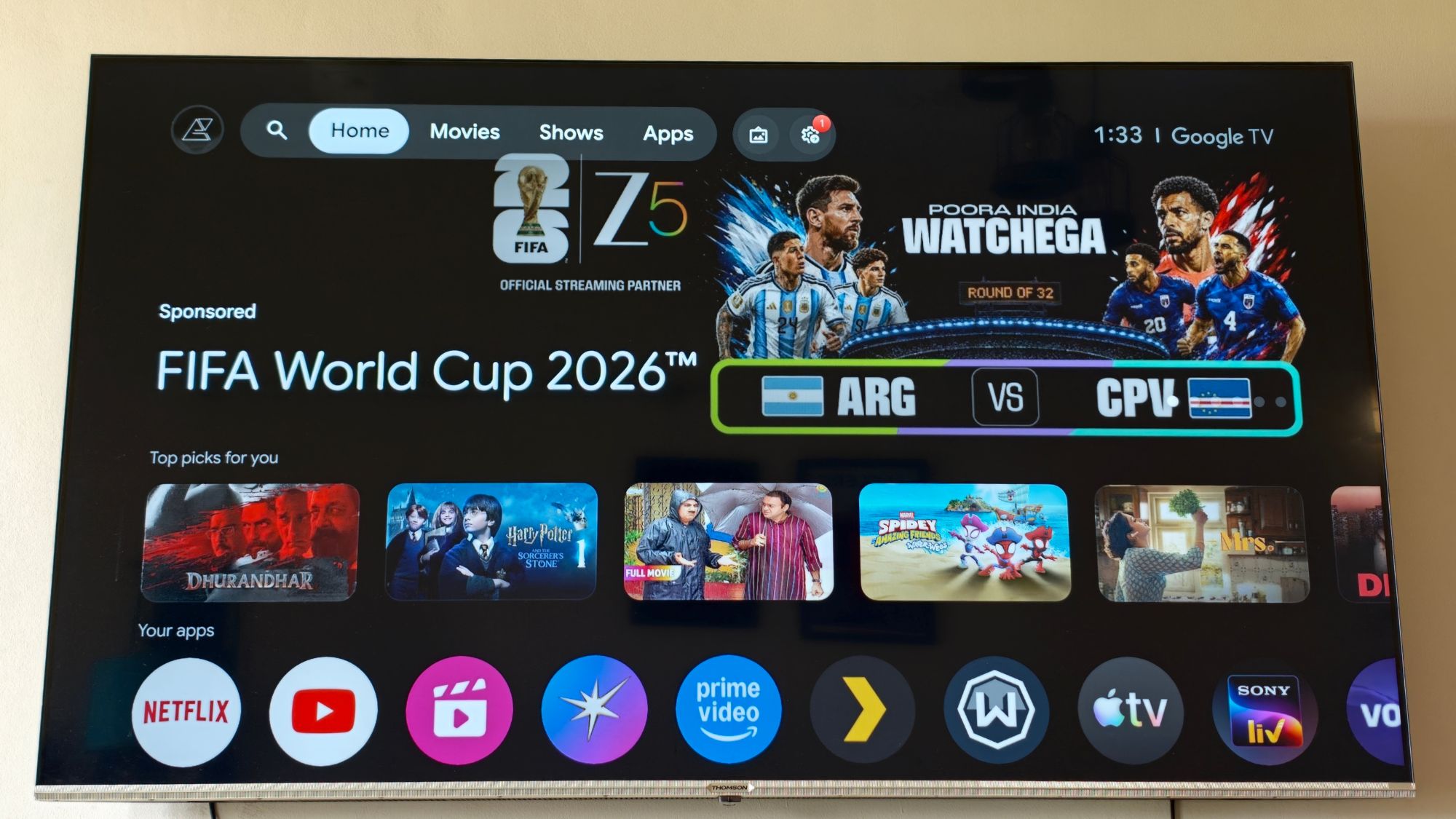
The news reports that developers and users are using AI coding agents such as Claude Code to strip ads, preinstalled bloatware and tracking features from smart TVs running Android TV, Google TV and Fire TV, according to TechCrunch. Projects such as dumbtv and cleanyourtv publish GitHub prompts for this purpose. Results are mixed: some agents refused simple requests, and some users reported bricked devices or stalled installations. The direct e-commerce impact is limited, but the trend touches ad-tech, connected-device accessories and consumer privacy expectations that sellers can monitor.
The main target identified is automatic content recognition (ACR), the technology that profiles viewing behavior for targeted advertising. For sellers, this matters less as a policy shift than as a signal of rising consumer resistance to embedded tracking. The report describes no Amazon, Walmart or Shopify fee changes, no marketplace policy updates, no logistics shifts and no regulatory deadlines. Treat it as a market-sentiment indicator, not an action trigger.
Bold conclusion: the operational impact on cross-border sellers is minimal in the near term. Sellers of smart TV accessories, streaming hardware, privacy-focused routers and Pi-hole-style network filters may see incremental interest. Industry data suggests privacy-oriented home-network products have historically gained search volume when mainstream coverage of tracking rises, but the scale of this story does not yet support a sourcing change.
From an AI-tooling perspective, the more interesting pattern is that consumers are using generative AI to reshape hardware they already own. This implies demand for AI-assisted device configuration guides, one-click setup kits and verified "debloat" tutorials. Sellers who create clear, accurate product content for TV mounts, HDMI switches, streaming sticks and network filters can capture this search intent. Automation tools such as LLM-based listing generators and review-sentiment classifiers can track whether "ACR" or "tracking-free" terms begin appearing in buyer questions on Amazon and eBay listings.
Looking at risk, the reported bricked devices and stalled installations point to a return-rate risk for any seller who bundles or recommends modification tools. Avoid selling or promoting unverified firmware modifications, because they can create warranty disputes and product-safety complaints. Monitor Amazon review language and returns data for smart-TV-related accessories over the next 60 days; if negative-sentiment mentions of ACR or privacy rise above a baseline you set, reassess listings.
Immediate actions (0-30 days): Set up a keyword alert for "ACR," "smart TV privacy," and "debloat TV" in Helium 10 or Jungle Scout, and log weekly search-volume changes. Review your smart-TV-adjacent listings for accurate compatibility claims. Strategic adjustments (1-6 months): If search growth exceeds 20% over two months, test privacy-positioned accessories such as HDMI-based streaming sticks or network-level blockers, with a small PPC budget of $300-500 per test. Risk mitigation: Do not endorse firmware hacks, and keep product claims limited to documented capabilities to avoid listing suspensions and return spikes.
Questions 6
Which products could benefit from rising smart TV privacy concerns?
Products that offer documented privacy or network control, such as HDMI streaming sticks, network-level DNS filters and TV mounts with cable management, may see incremental interest. Sellers typically test such categories with small PPC budgets of $300-500 before scaling. Claims should stick to verified functions to avoid listing suspensions.
How should sellers monitor whether this trend becomes a real demand signal?
Set weekly keyword tracking for ACR, smart TV privacy and debloat TV in Helium 10 or Jungle Scout, and watch Amazon review language for negative mentions of tracking. If search growth exceeds about 20% over two months, consider testing privacy-positioned accessories. Otherwise, keep the category on watch without changing sourcing.