

UK Jackdaw Gas Approval | North Sea Policy Shift for Sellers 2025
- Indirect impact on UK energy costs and logistics for cross-border sellers, with Rosebank decision pending
Overview
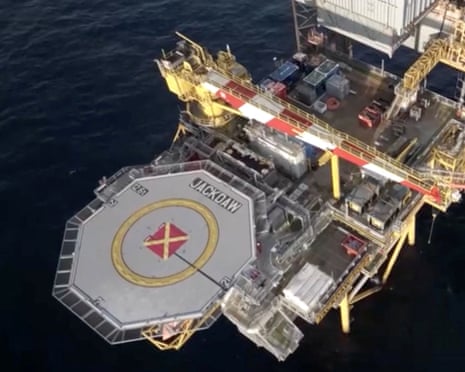
The UK government has approved drilling at the Jackdaw gas field, about 150 miles east of Aberdeen, with gas due to reach homes and businesses this month, while the Rosebank oil decision has been delayed. For cross-border sellers, the direct effect is limited: the news reports that Jackdaw will not lower energy bills this winter. The operational relevance lies in UK energy policy, operating costs, and sector stability. Energy Secretary Miatta Fahnbulleh and Prime Minister Andy Burnham frame the move as pragmatic energy security, and the Energy Wealth Fund will direct tax revenue into low-carbon projects.
The approval changes upstream supply sentiment more than consumer prices. The news reports that oil and gas supplied 75% of UK energy in 2025 and that about 43% of energy was imported last year. Jackdaw is expected to supply roughly 6% of UK North Sea gas at peak, with an 11-year field life. For sellers, this means UK energy costs stay exposed to import price volatility. Energy-intensive categories such as home heating appliances, outdoor heaters and industrial consumables sold into the UK may see cost pressure persist through winter rather than ease.
Logistics and sourcing exposure is the second-order effect. Industry context shows LNG accounted for about 20% of UK gas imports last year, mostly from the US, while the Langeled pipeline from Norway supplied about 40%. Sellers using UK 3PL providers or FBA warehouses in the UK should expect energy surcharges in warehouse and last-mile operations to track these import costs. The UK has only four refineries, compared with nine at the turn of the century, so fuel-related freight costs remain tied to north-west European refining. Sellers shipping on UK-bound routes should monitor fuel surcharge adjustments from carriers over the next 1-3 months.
Policy direction signals long-term electrification demand. Less than 2% of UK households have heat pumps, and nearly 95% of vehicles run on petrol or diesel, according to the cited data. Sellers of heat pumps, EV chargers, insulation and smart thermostats can treat the Rosebank delay and the Energy Wealth Fund as a signal that the transition funding will continue. Sellers should watch for subsidy schemes funded by the fund, which could lift demand in these categories on Amazon UK and eBay UK over the next 3-12 months.
Immediate Actions (0-30 days): Review UK warehouse energy and fuel surcharge clauses with 3PL partners before the winter peak. Monitor Amazon UK and eBay UK category search trends for heating and insulation products.
Strategic Adjustments (1-6 months): Consider prioritizing electrification-related SKUs for UK listings, with PPC budgets scaled to autumn demand. Evaluate whether EU or US sourcing hedges UK-bound cost swings.
Risk Mitigation: Monitor the Rosebank decision and the Energy Wealth Fund allocation as checkpoints. Avoid overcommitting inventory to energy-intensive categories until the winter price trajectory is clear.
Questions 6
Should UK sellers shift sourcing away from energy-intensive product lines?
The news suggests energy-intensive industries and households remain exposed to import price volatility, while LNG accounted for about 20% of UK gas imports last year. Sellers of energy-intensive goods sold into the UK may face sustained cost pressure. Consider testing EU or US sourcing for high-energy SKUs, but only after comparing landed costs including freight and duties over at least one quarter.
Does the Rosebank delay create opportunities for heat pump or insulation sellers?
The Rosebank oil decision is delayed, and the Energy Wealth Fund will reinvest tax revenue into low-carbon and renewable projects. Less than 2% of UK households have heat pumps, according to Electrify Britain, indicating a large gap in adoption. Sellers of heat pumps, insulation and smart thermostats on Amazon UK and eBay UK can monitor subsidy announcements over the next 3-12 months to time listings and PPC campaigns.