


Googlebook Launch | Seller Impact on Laptop Accessories
- Googlebooks priced $899-$1,300 test buyer patience; accessory and software sellers face a slow, Android-dependent ramp
















Overview
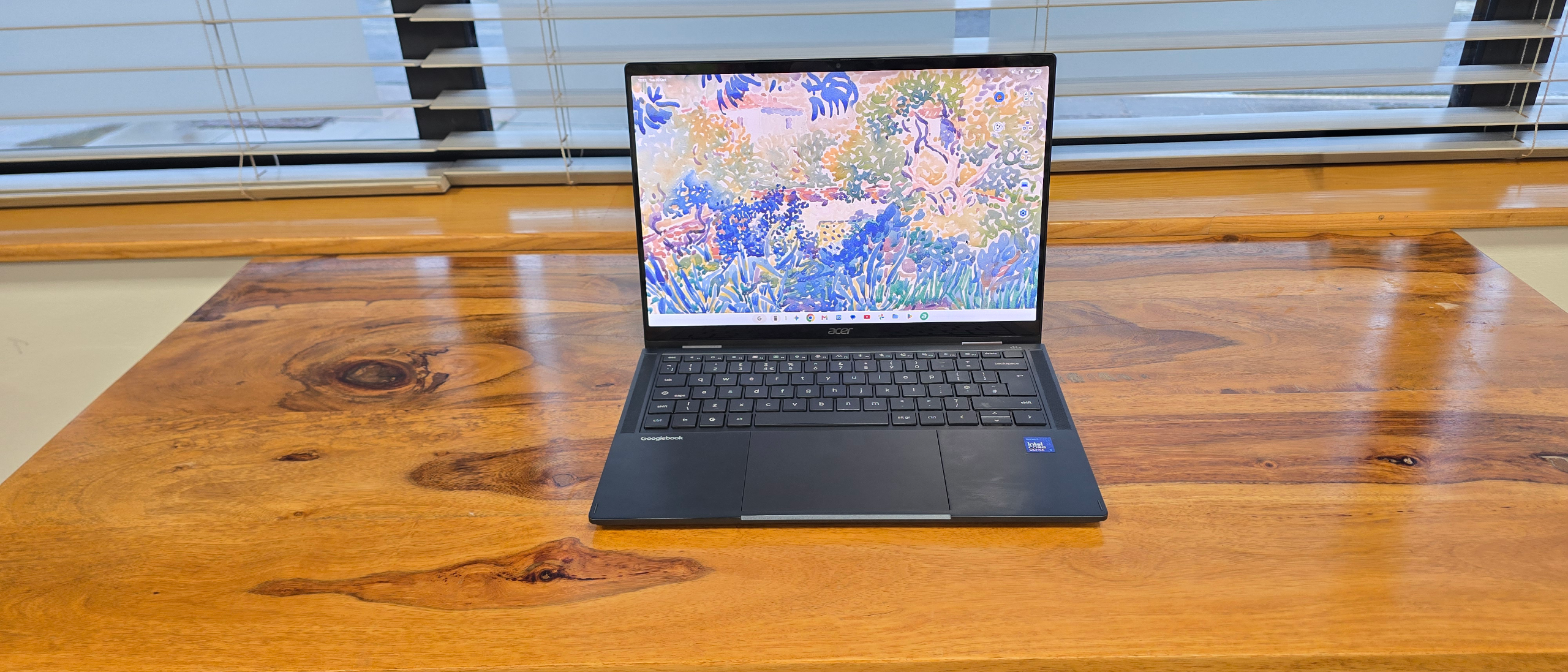
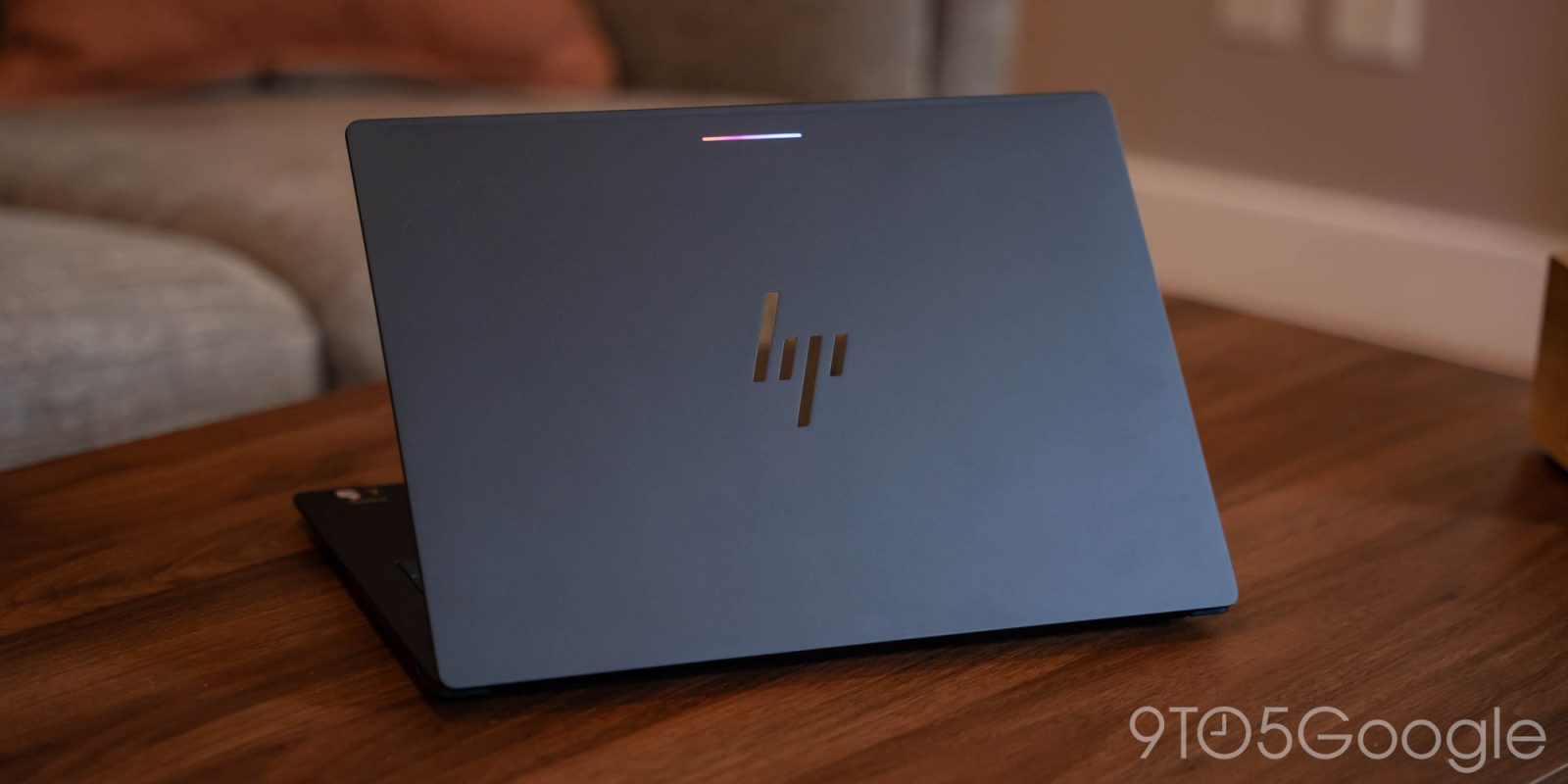
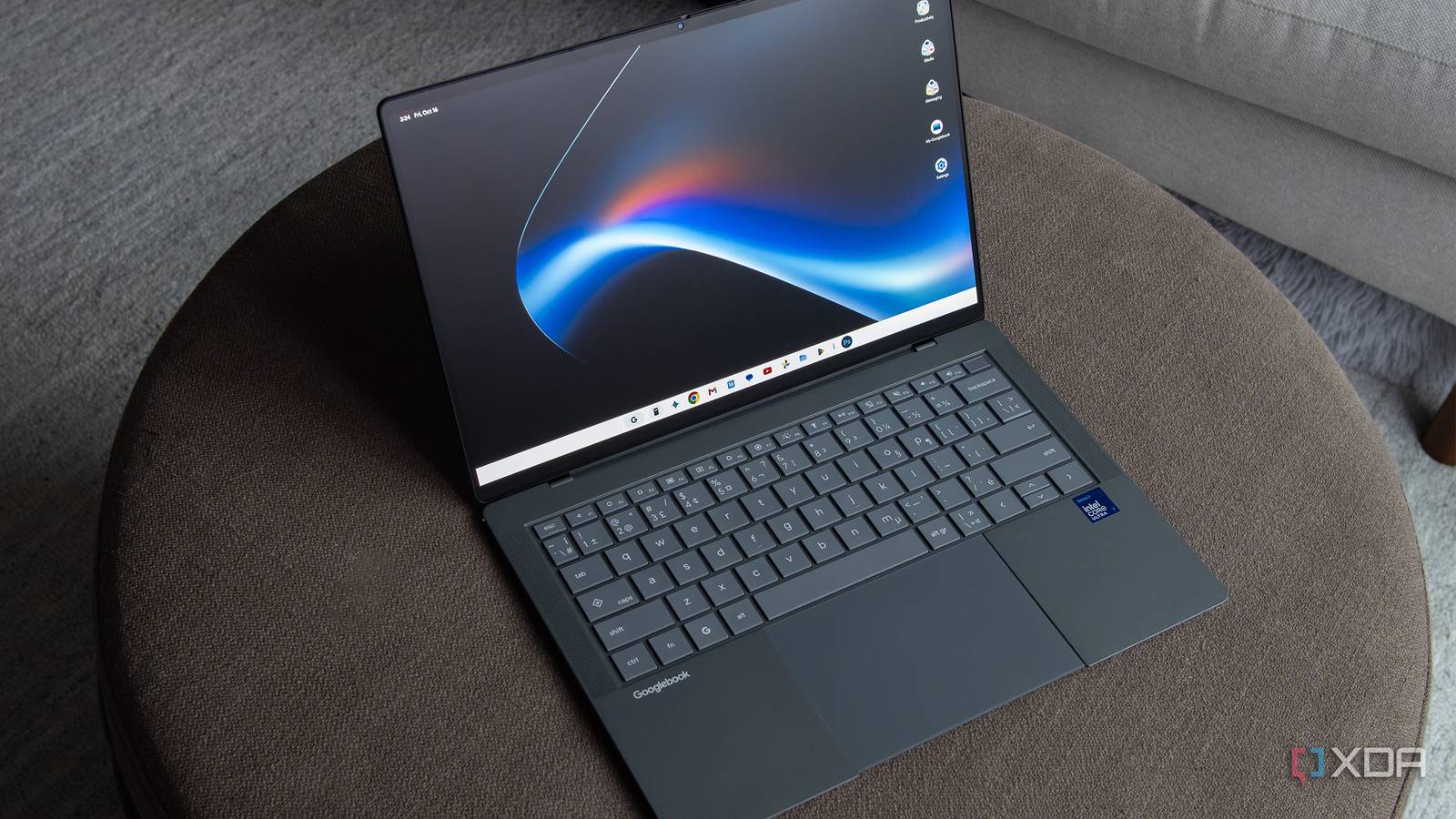
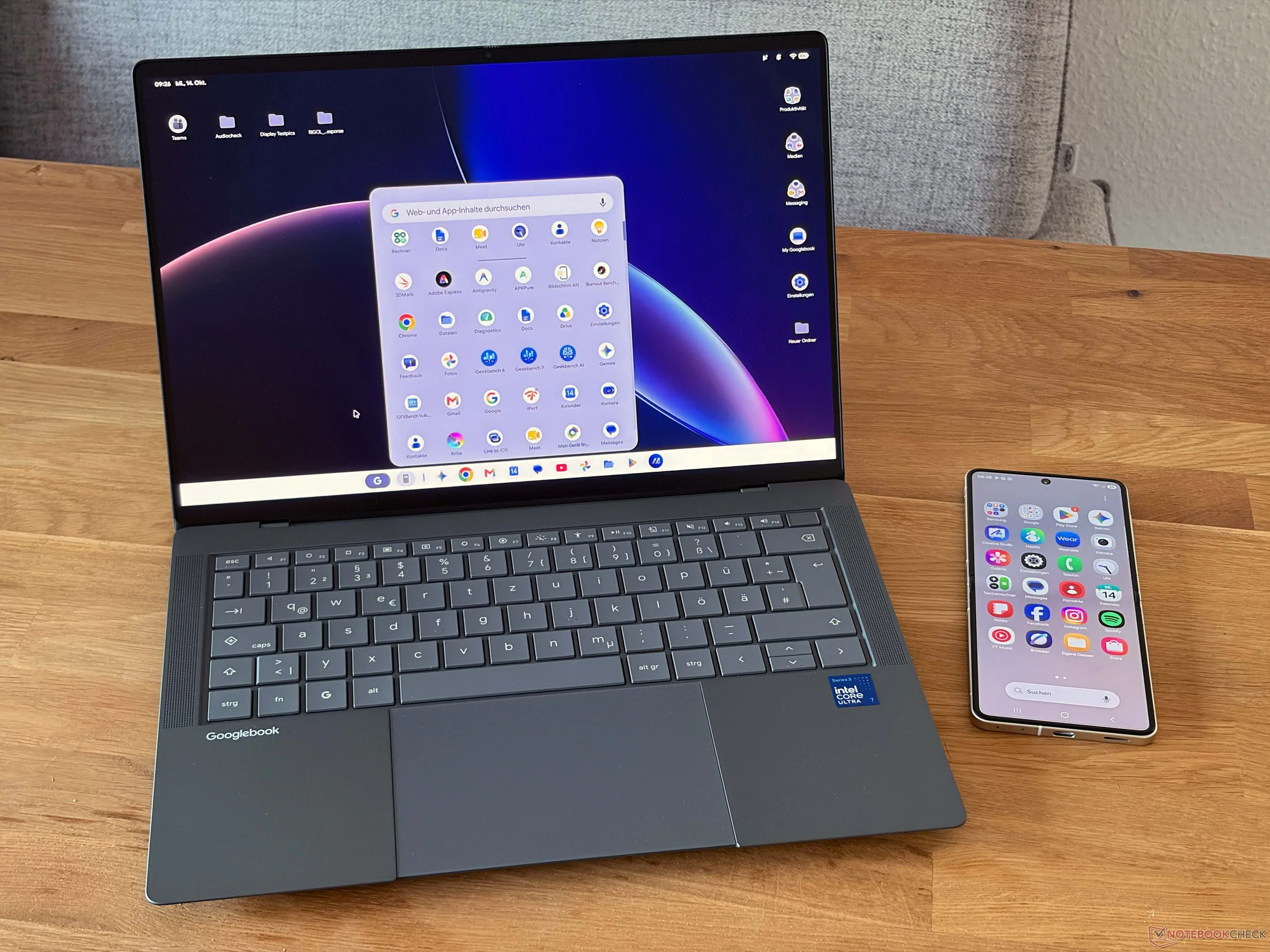
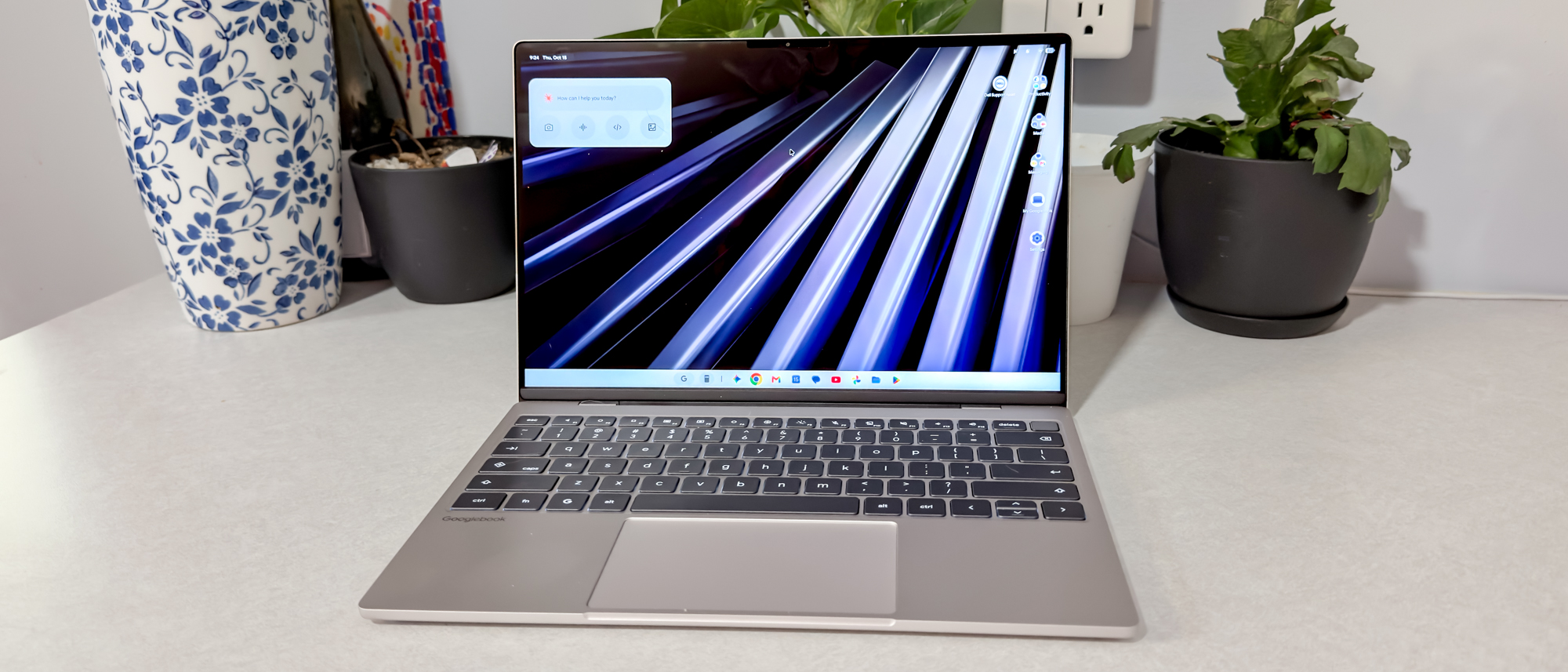
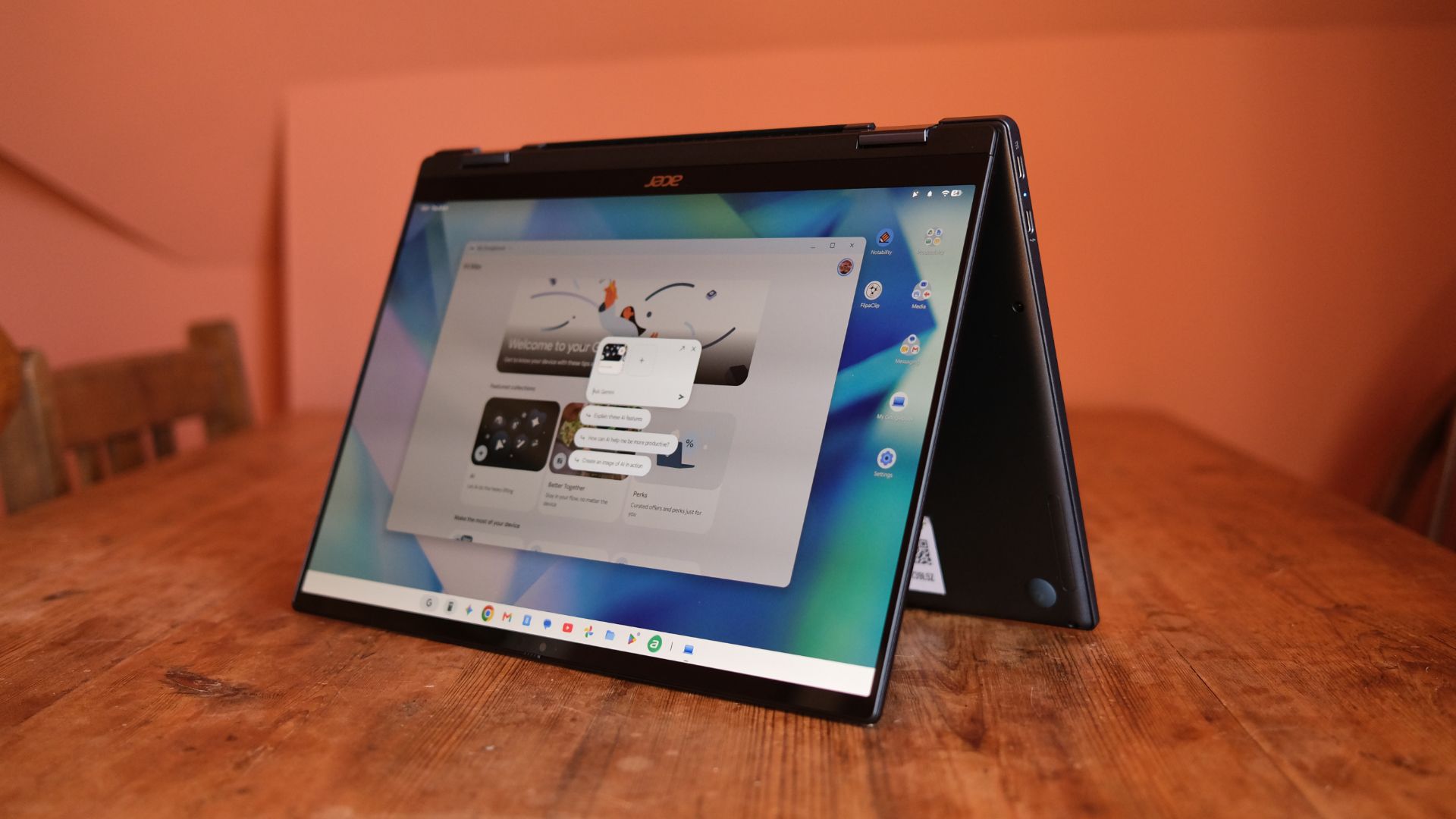
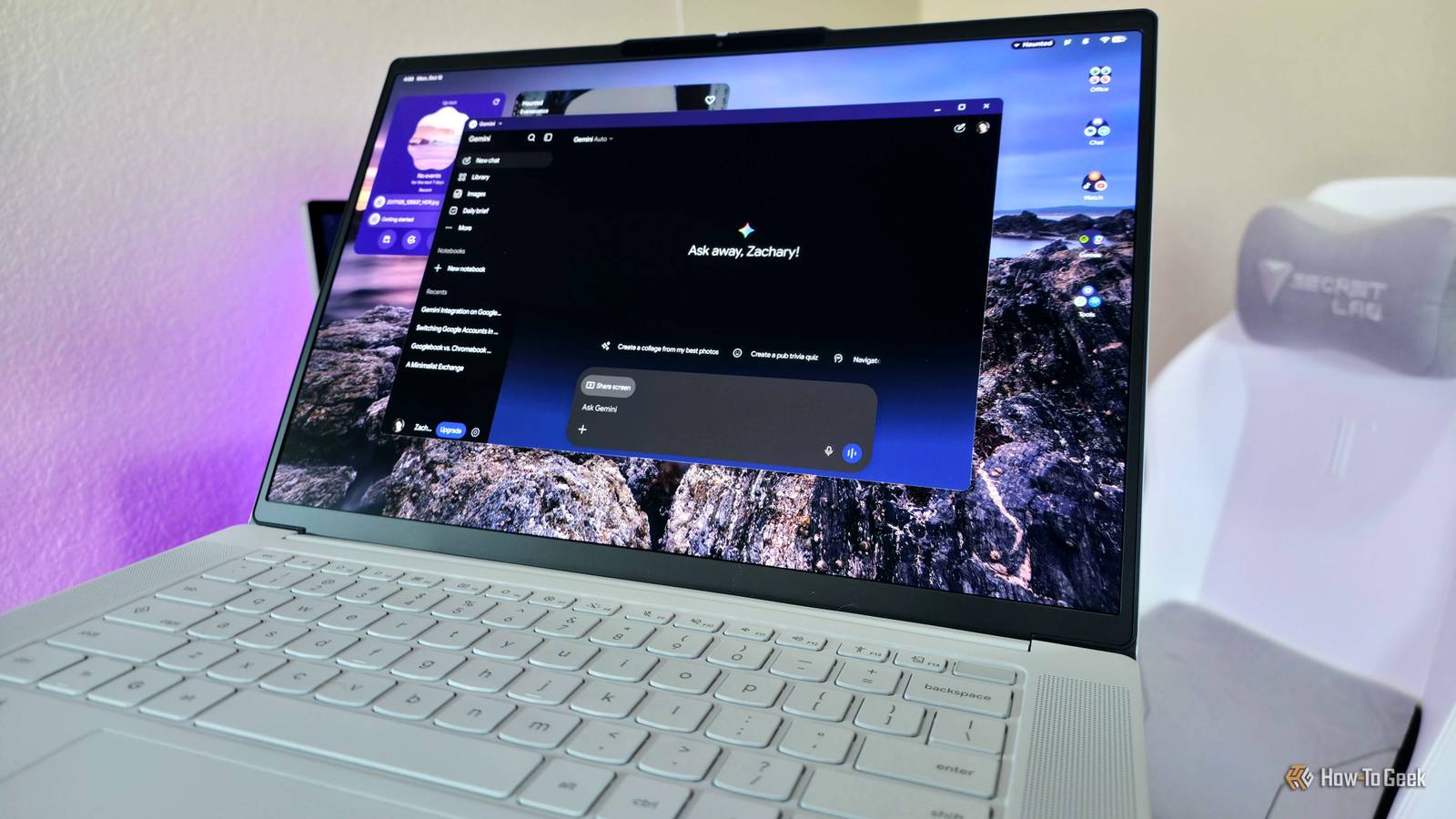
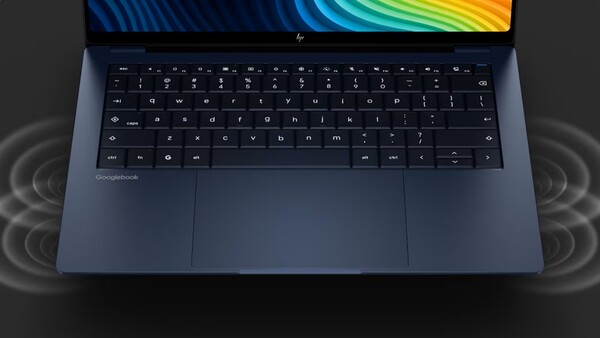
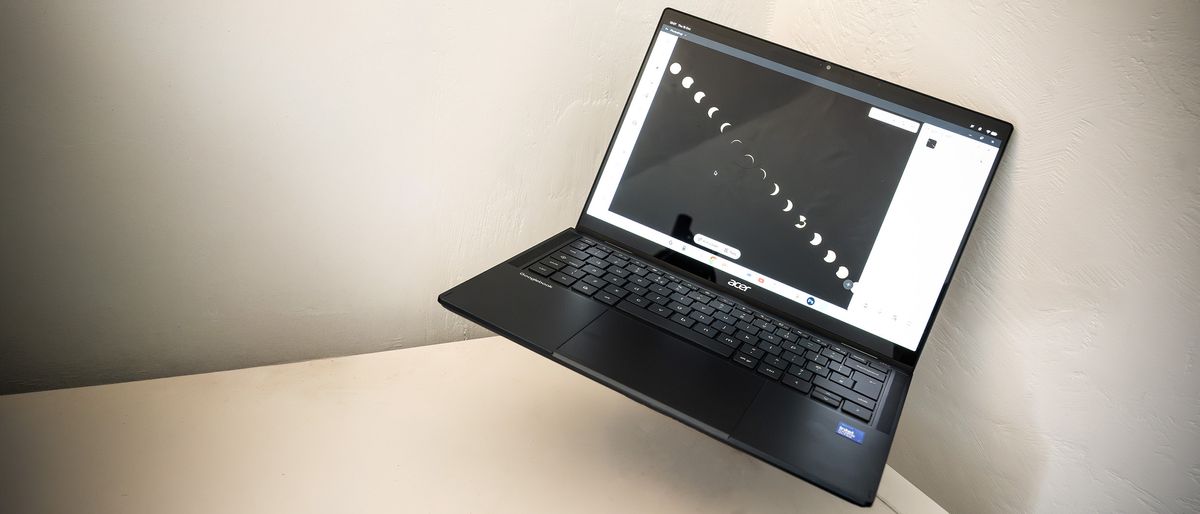
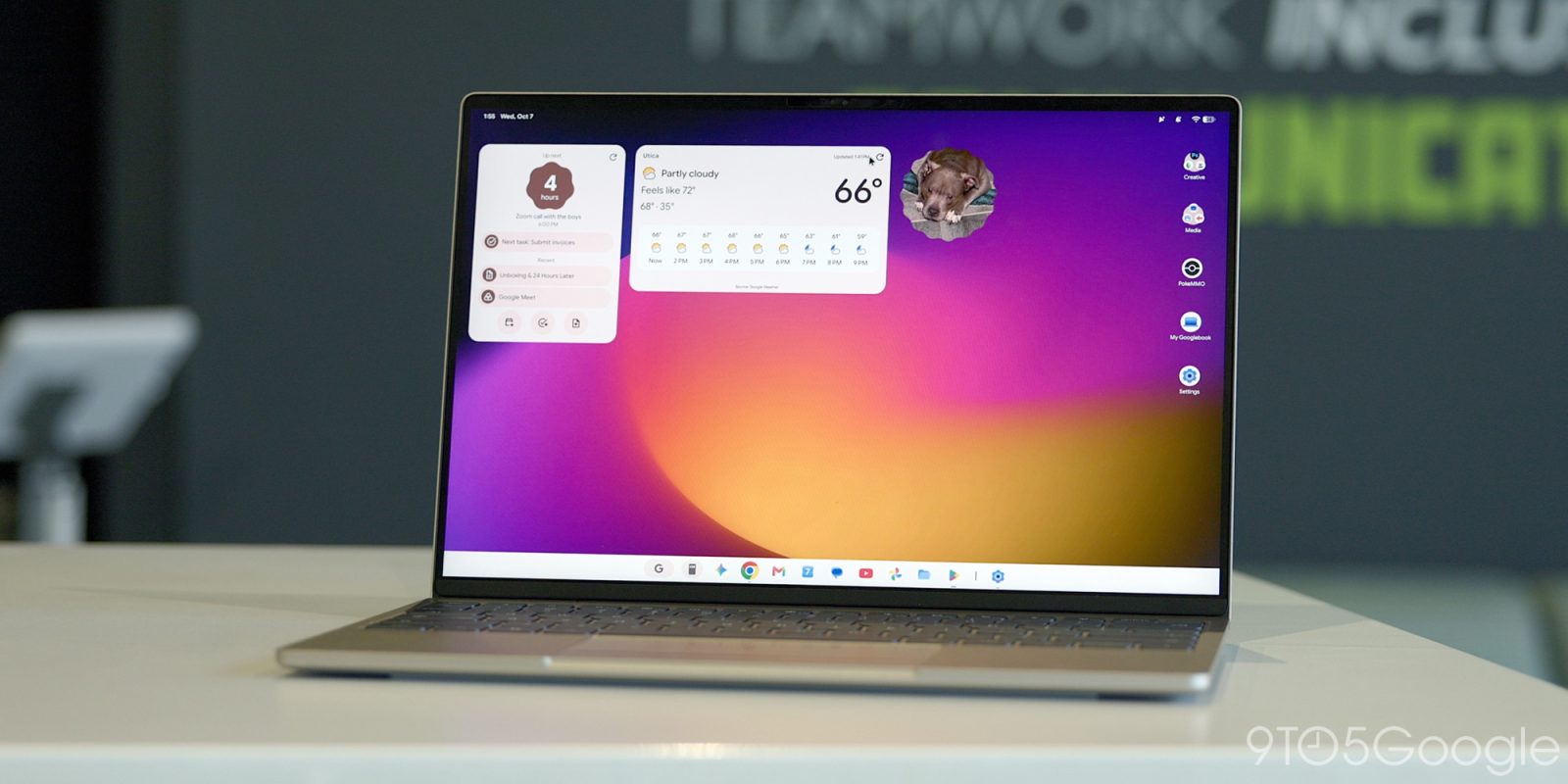
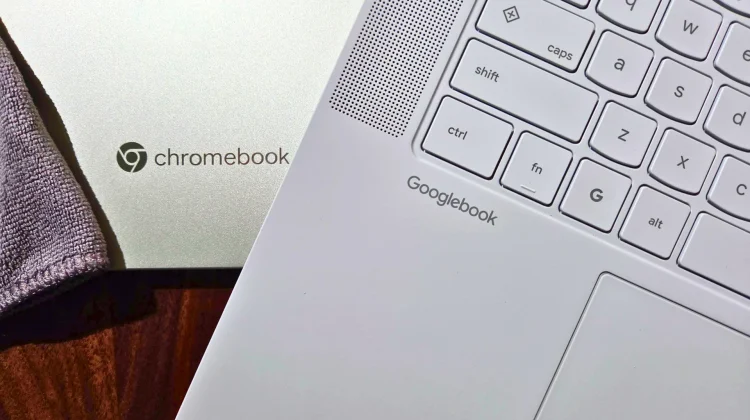
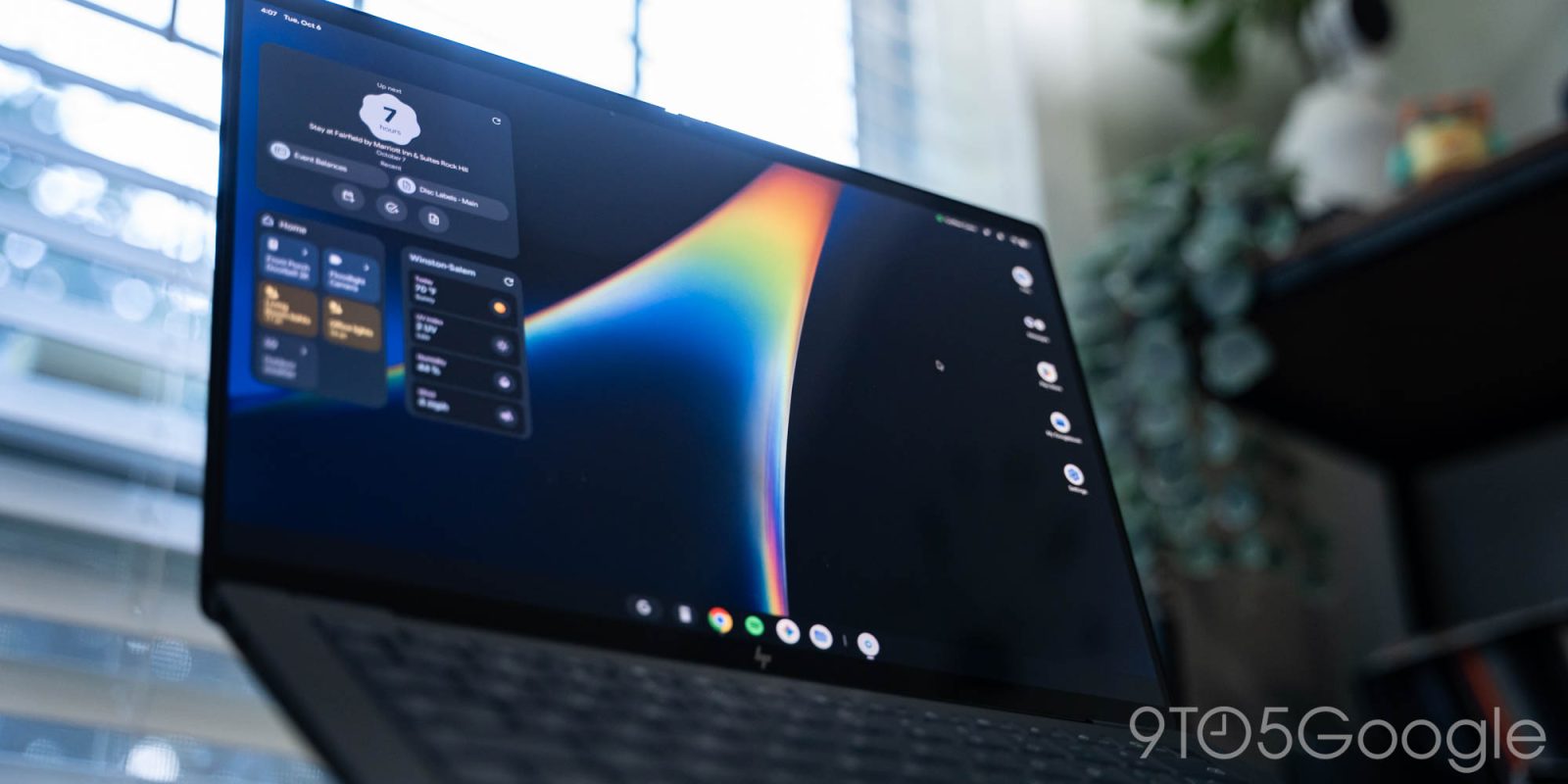
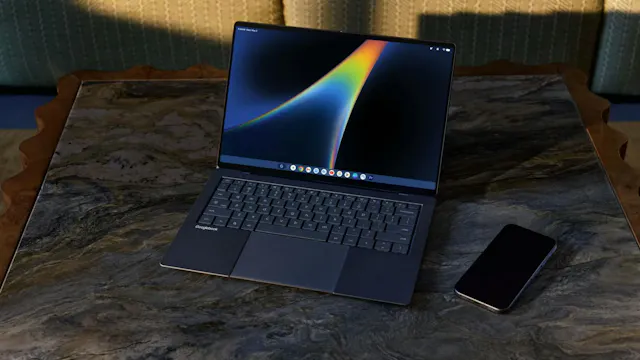
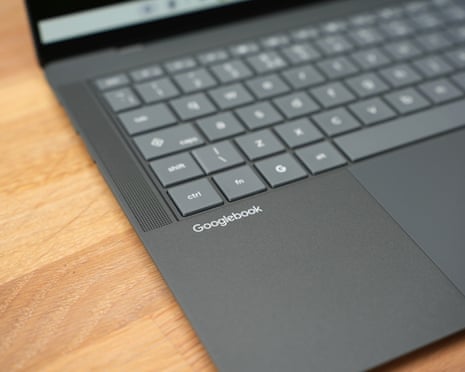
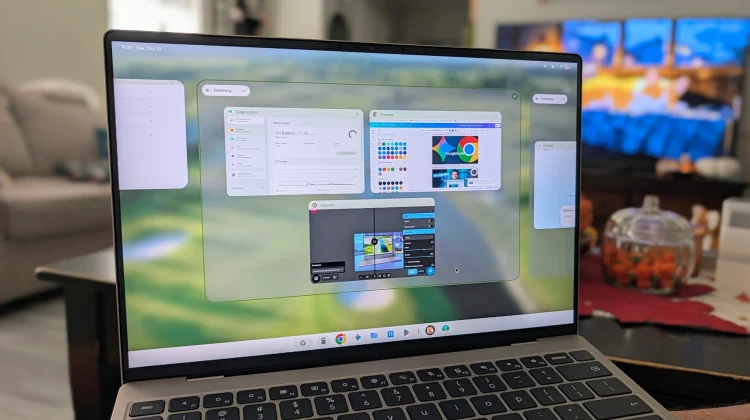
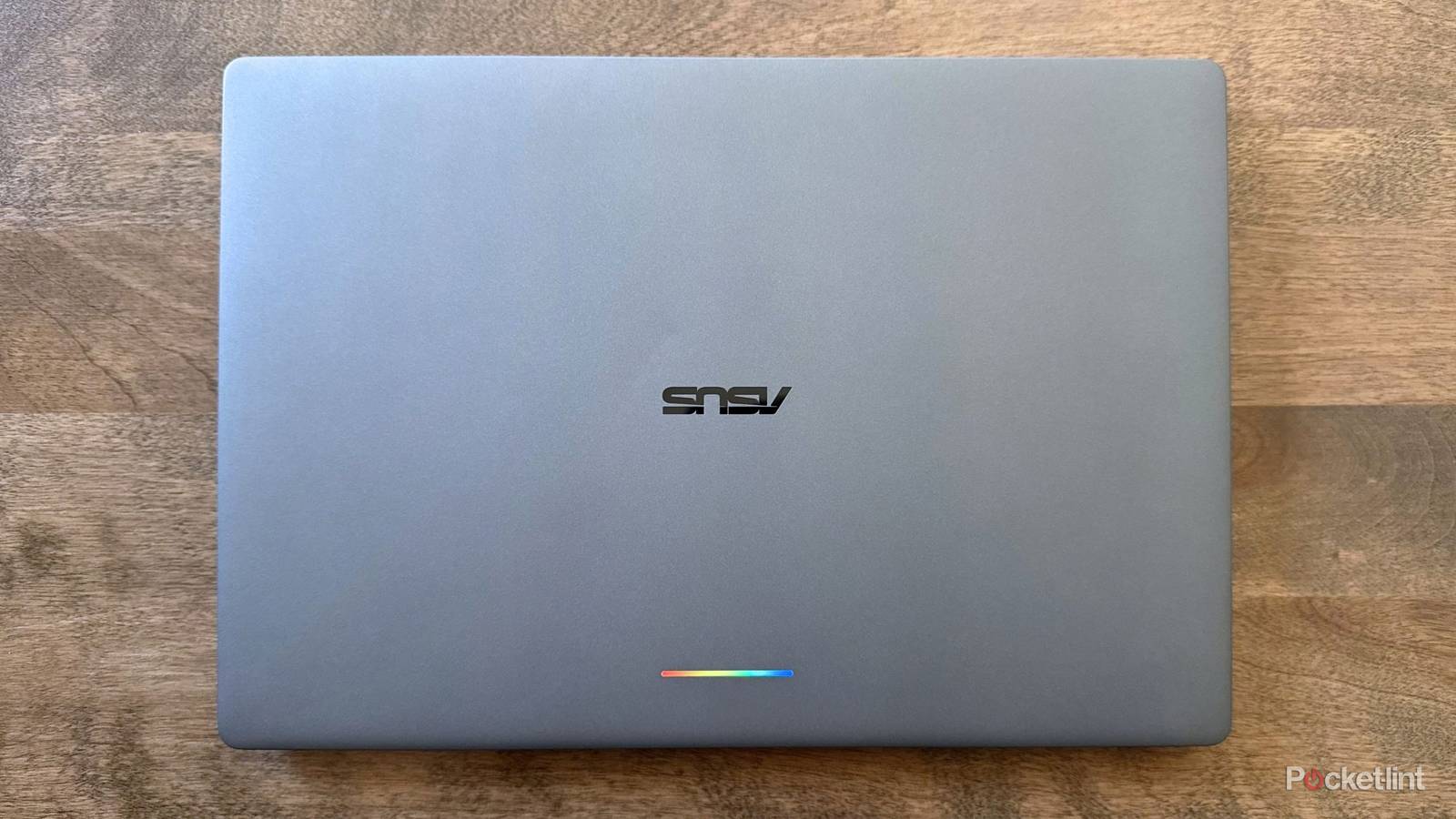
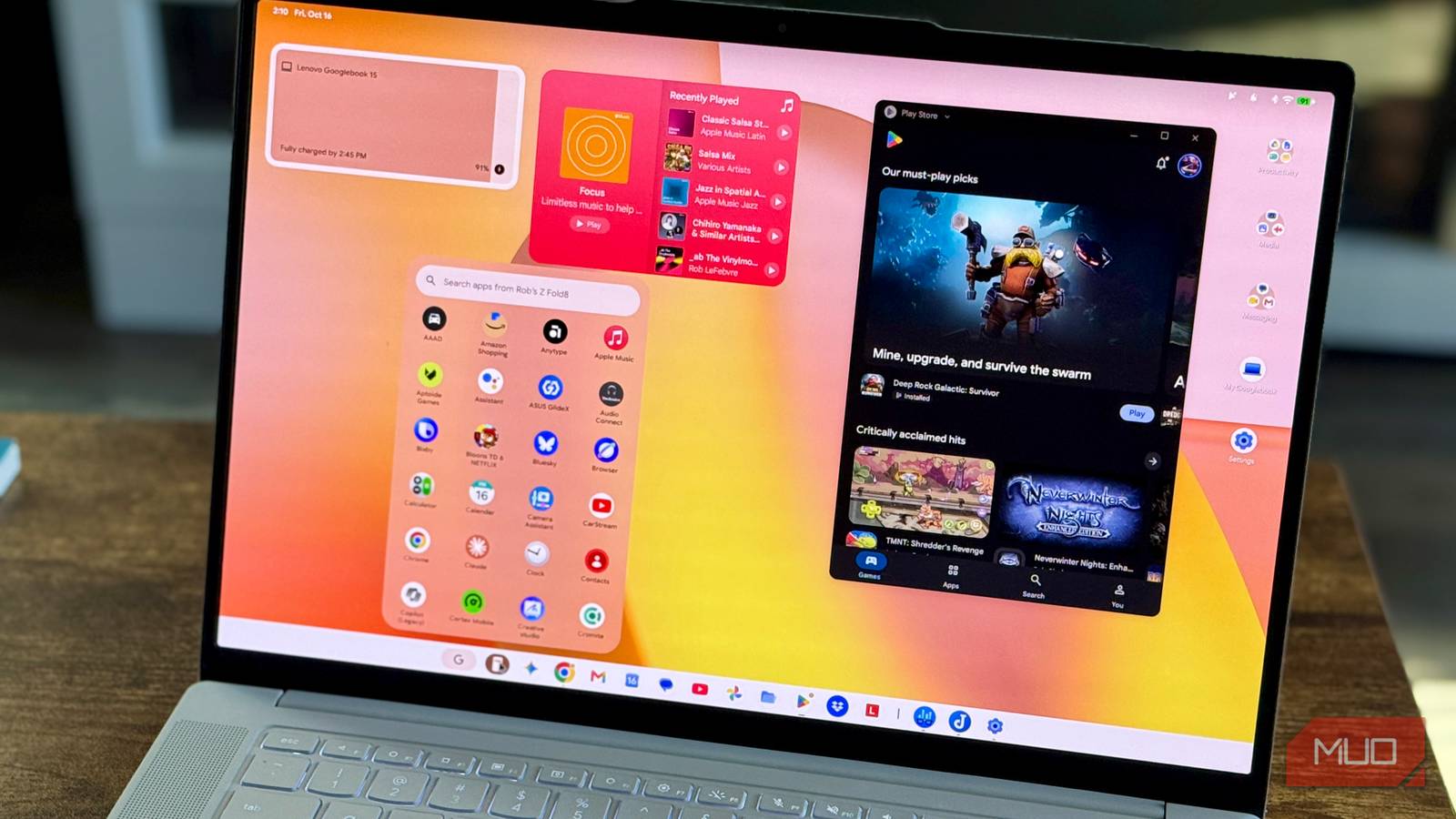
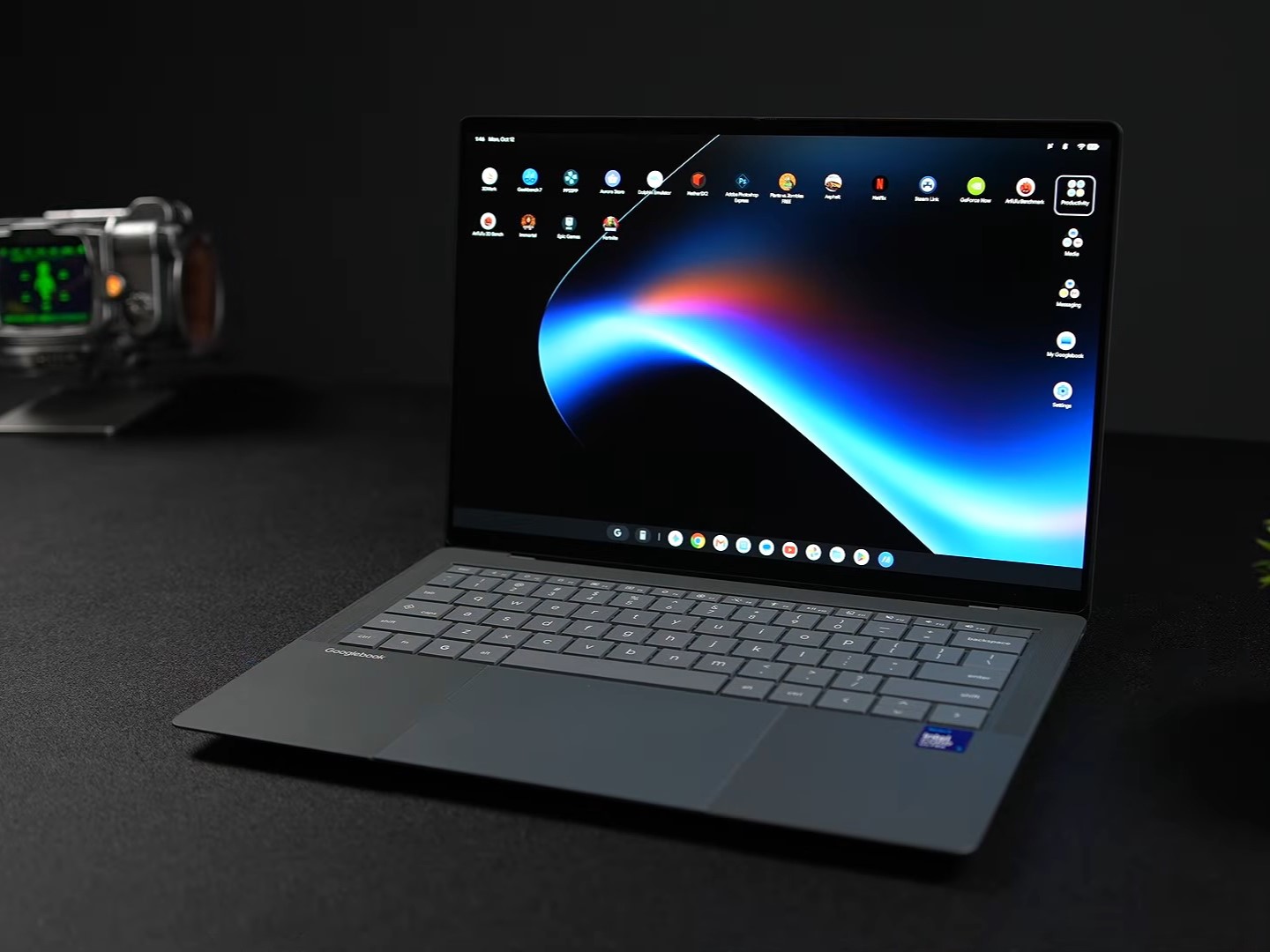
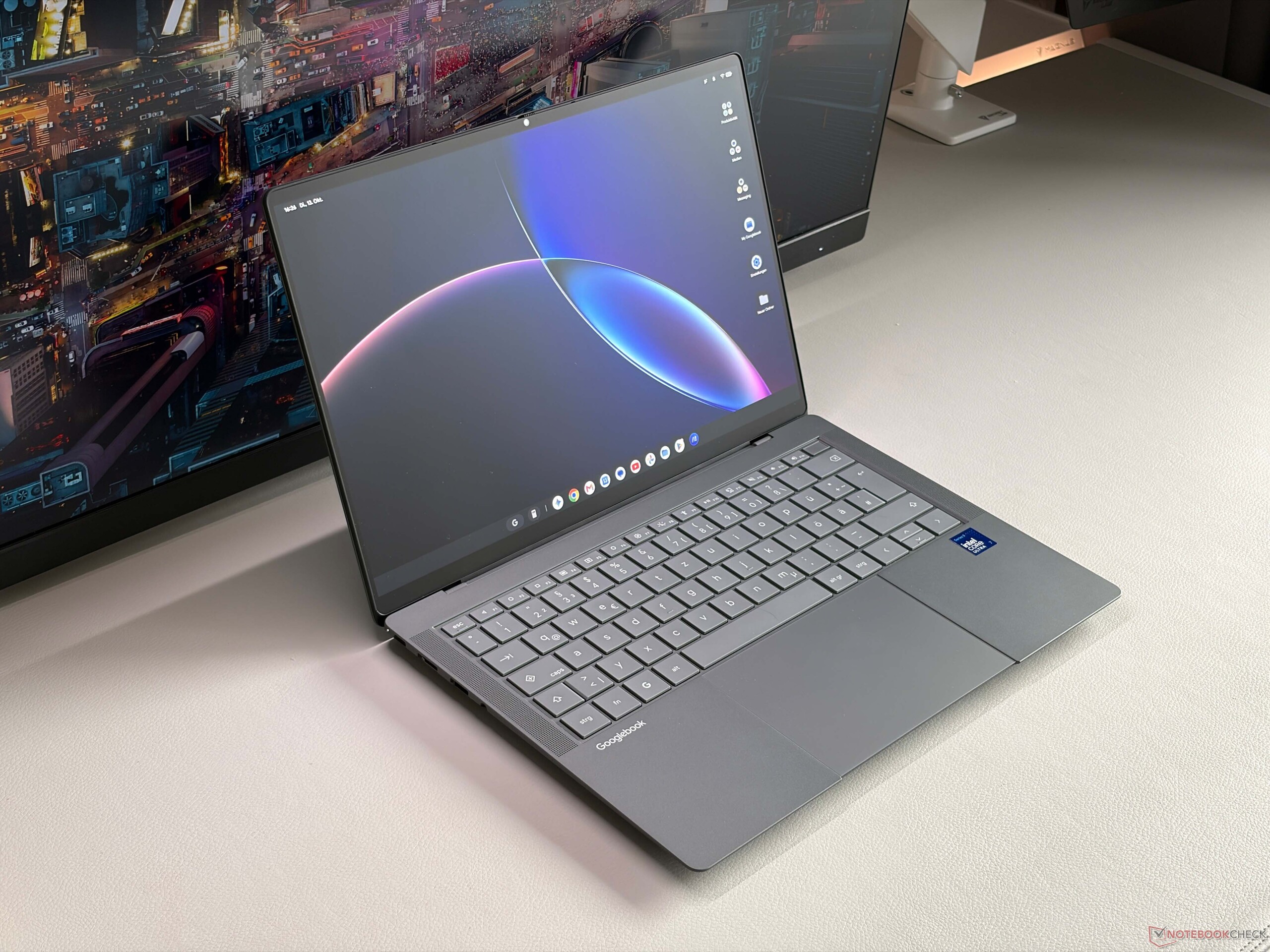
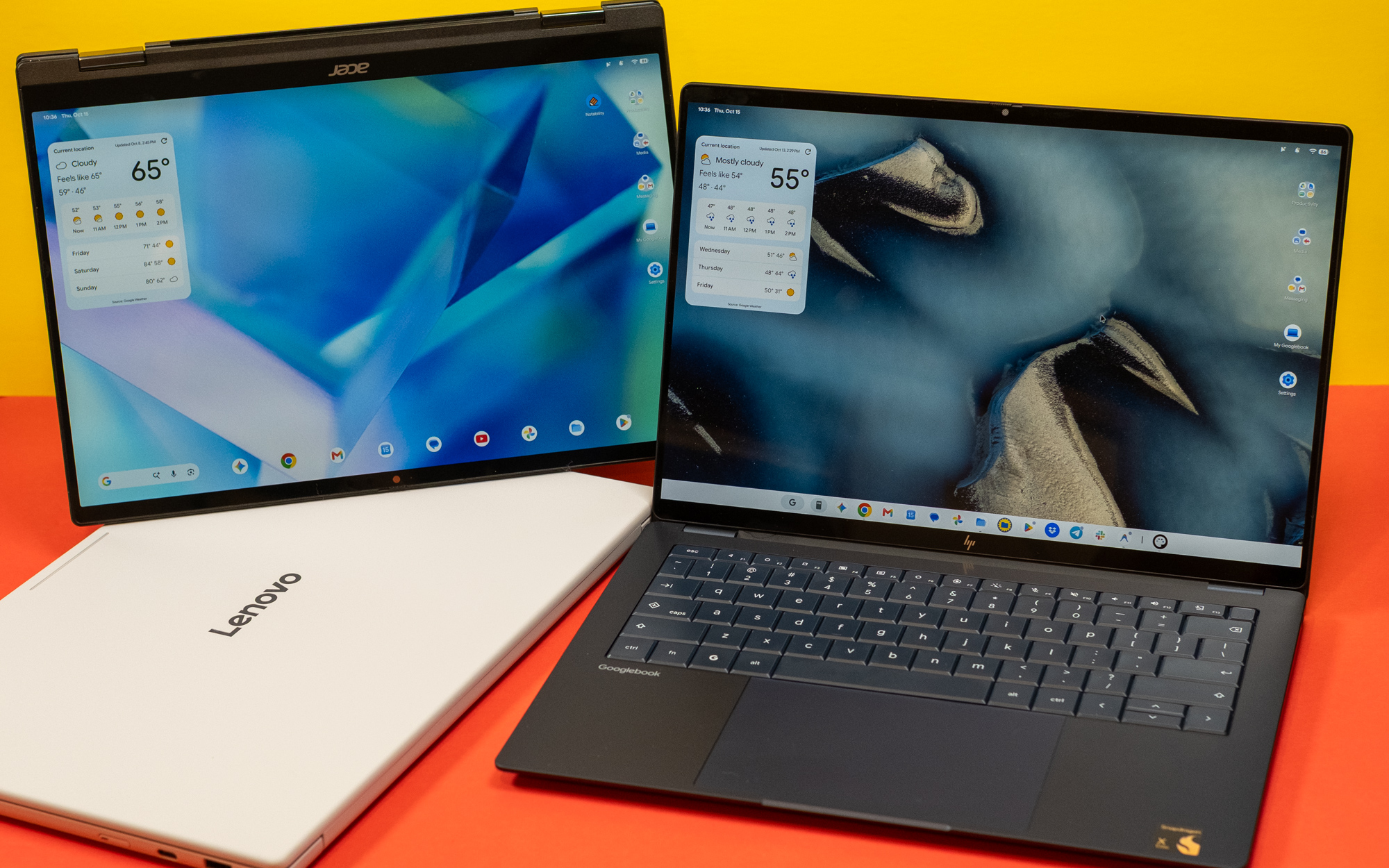
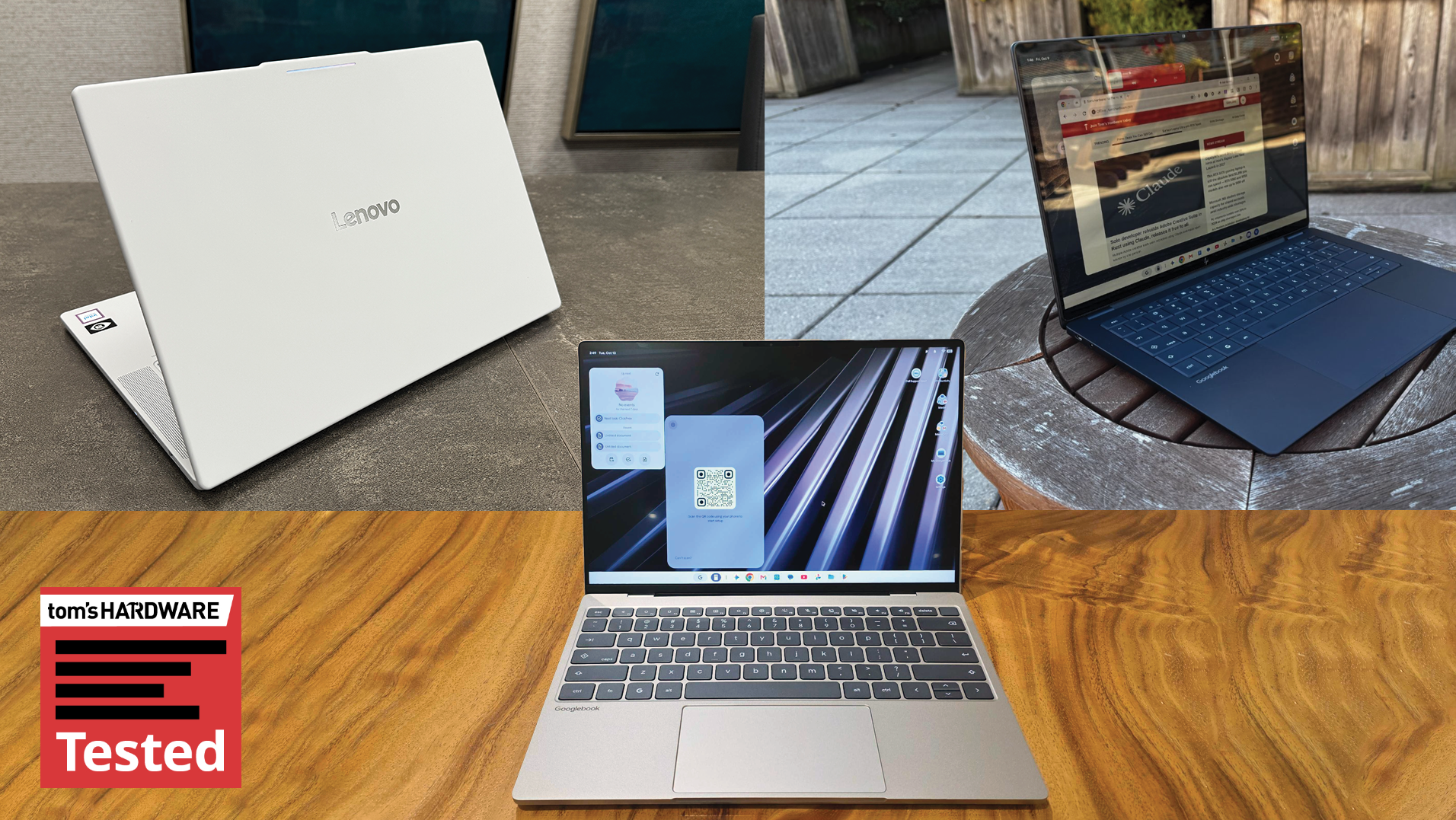
Google's Googlebook launch introduces a new laptop category priced from $899 to $1,300, built with Acer, Asus, Dell, HP and Lenovo and running Googlebook OS, which blends Android 17 app support with ChromeOS elements. Across four hands-on reviews from Yahoo Tech, XDA, 9to5Google and Ars Technica, the consensus is that hardware is competitive, but software maturity and the phone-dependent ecosystem limit near-term demand. No unit sales or adoption data has been published, so every seller signal below is directional.
The hardware is credible, but the price-to-value case is weak today. Reviewers praised OLED touchscreens, light bodies, strong trackpads and aluminum or magnesium builds, and Ars Technica found Snapdragon GPU performance ahead of Intel. However, 9to5Google argues comparable Windows laptops and MacBooks cost the same or less, and most of the launch lineup sits above $1,000. For sellers, this places Googlebooks above the budget Chromebook segment that drove marketplace volume, so expect a smaller, premium-oriented buyer pool in the next 1-3 months.
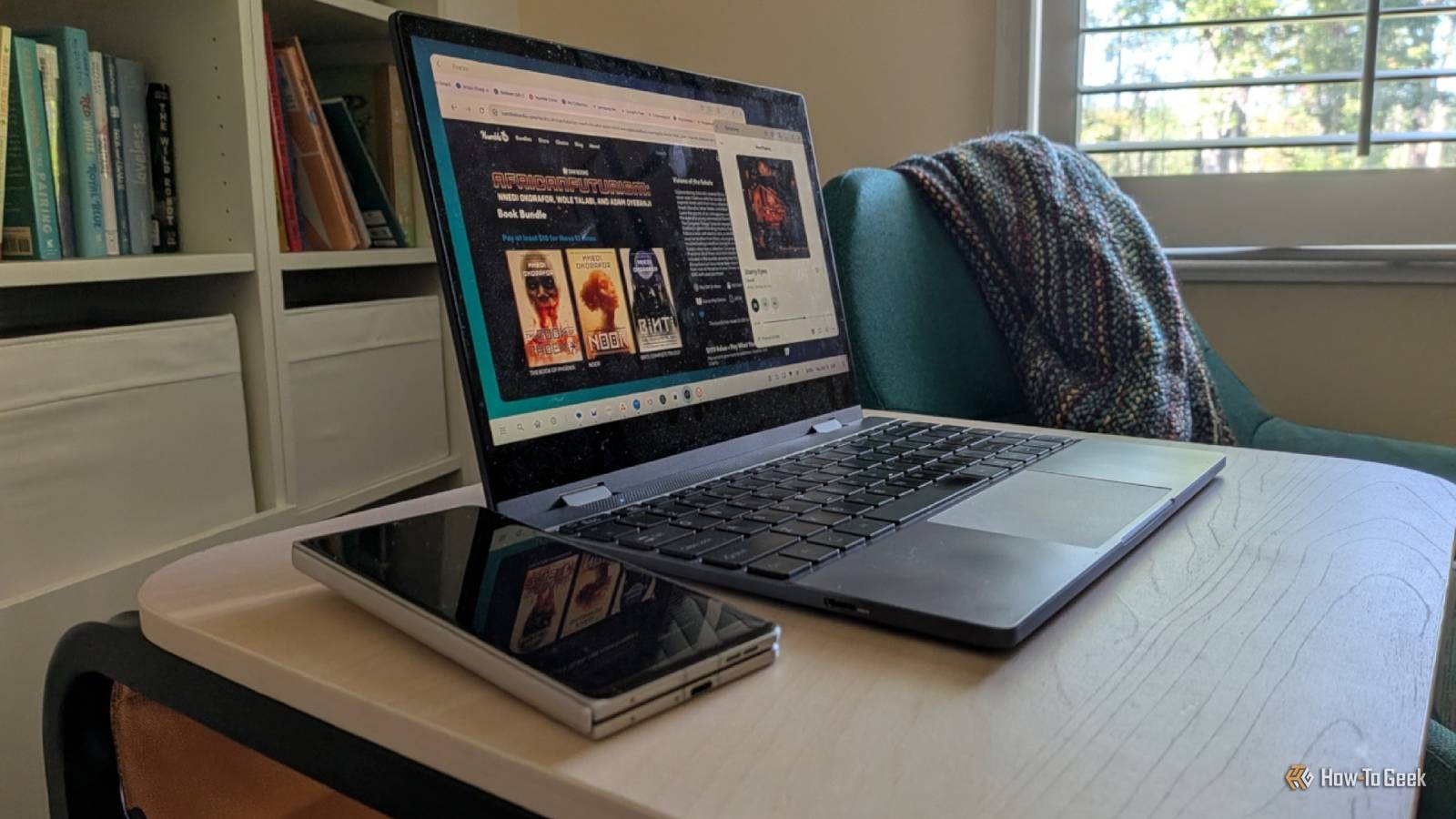
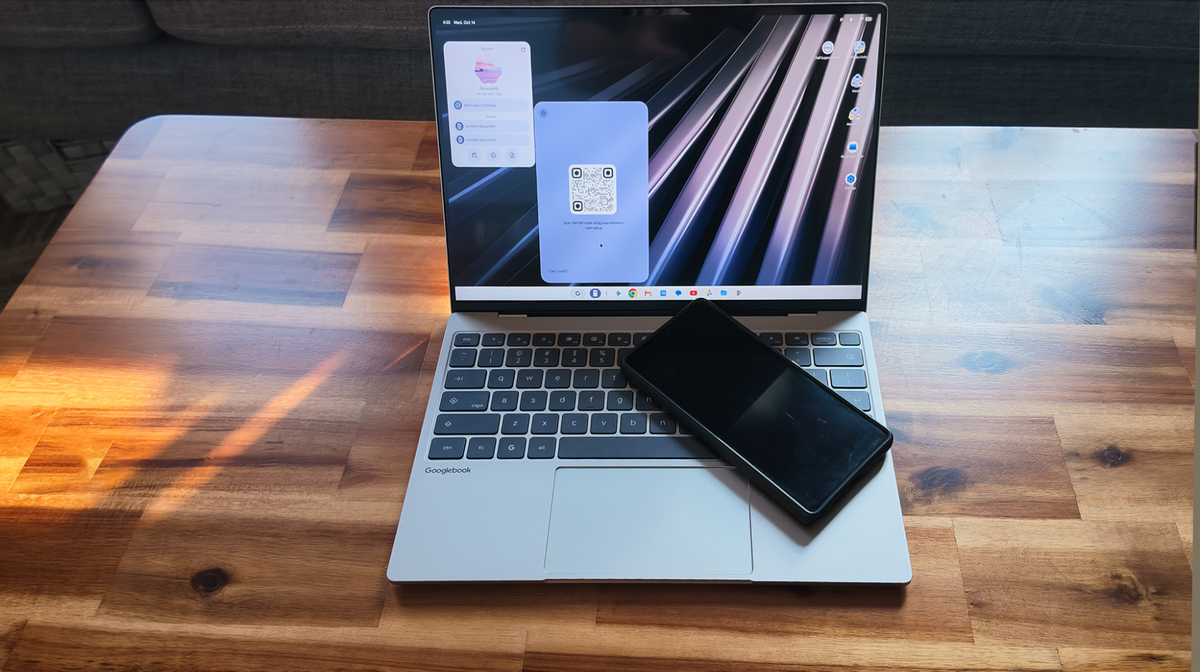
Pairing and app friction will shape accessory and software demand. Setup requires a QR-code migration, a shared Google account, the same Wi-Fi network and Bluetooth, and the cross-device features need Android 17 on the phone, which most devices do not yet run. Reviewers reported Android apps rendering poorly on laptop screens, Lightroom and Photoshop missing desktop features, and Chrome crashes. The operational implication is that compatible USB-C hubs, HDMI adapters and laptop-optimized app tools may sell better than generic phone-centric accessories. Teams building mobile-first apps should test for landscape layouts and large-screen rendering before the category grows.
Timing and component costs are the second pressure point. 9to5Google attributes rising prices to a memory shortage it calls RAMageddon and expects further increases for months. This is an opinion claim without independent sourcing, but it aligns with a broader memory-cost squeeze. Sellers in laptop accessories should watch price-sensitive demand, not assume premium-hardware buyers are insensitive to cost.
Using AI tools, sellers can monitor this category efficiently. Set keyword alerts for Googlebook, Android 17 rollout and Googlebook compatibility on Amazon and Walmart listings. Use review-mining tools to track complaints about app compatibility, fan noise and pairing, which can inform product copy and FAQ content. Price-tracking tools can also detect whether the $899 limited-time Acer pricing persists. The gap between hardware quality and software readiness is a window where AI-generated compatibility guides and listing content can capture early searches before incumbents respond.
Questions 7
Will rising memory prices change Googlebook demand?
9to5Google attributes ongoing laptop price increases to a memory shortage it calls RAMageddon and expects price hikes to continue for months. This claim is an opinion without independent sourcing, so treat it as a risk signal rather than confirmed data. Sellers should watch price-sensitive buyers and avoid locking in high-cost inventory for premium laptops or bundles without flexible repricing.
What Android app problems should software and app sellers prepare for?
Reviewers reported many Android apps load slowly or render poorly because they were designed for phones, and Lightroom and Photoshop lack some desktop features. Google web apps also run as separate applications, so Gmail access from Chrome requires typing a URL. App developers should test landscape layouts and large-screen rendering before the category grows, which can improve ratings and visibility in Google Play listings.