
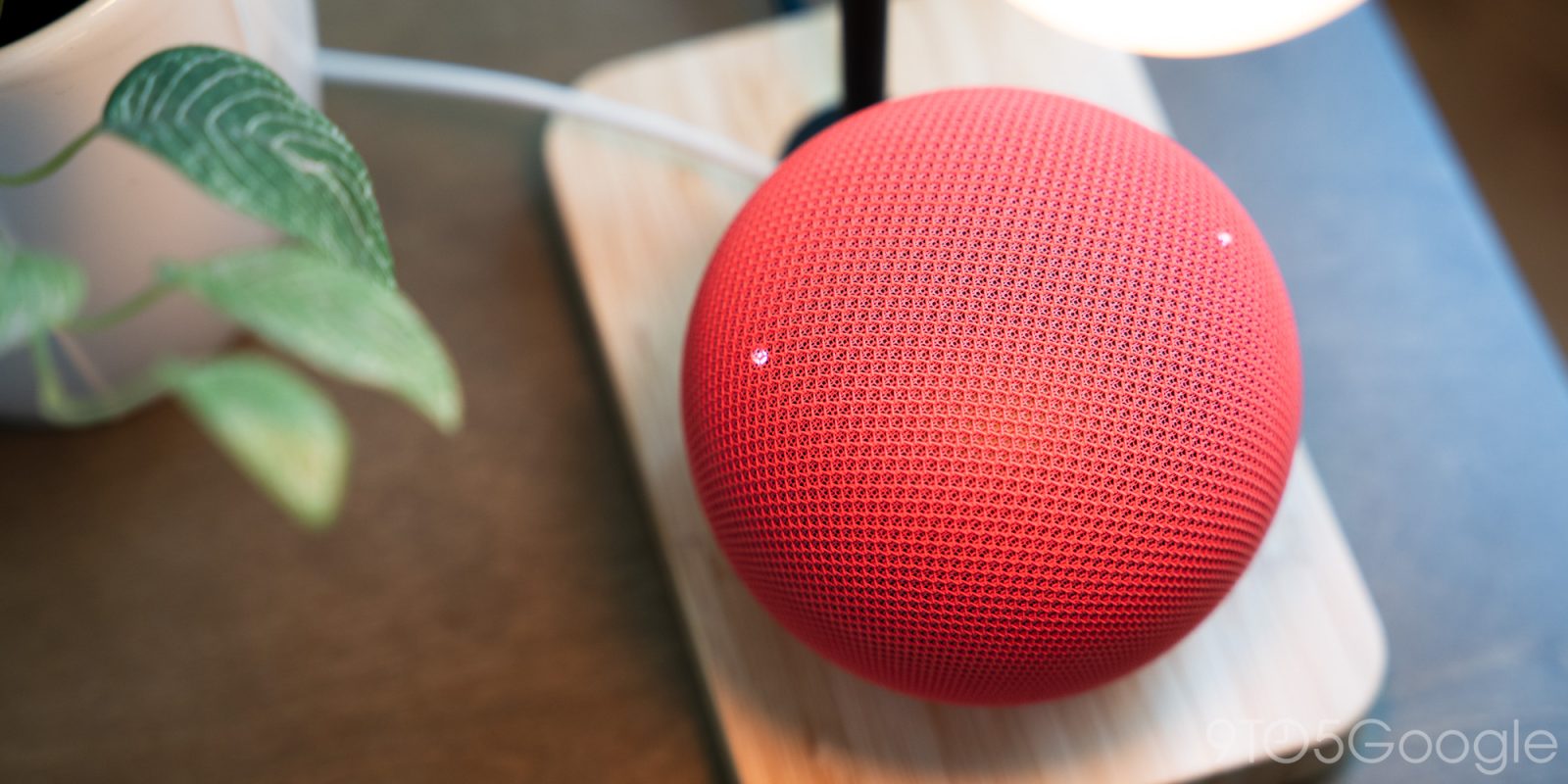
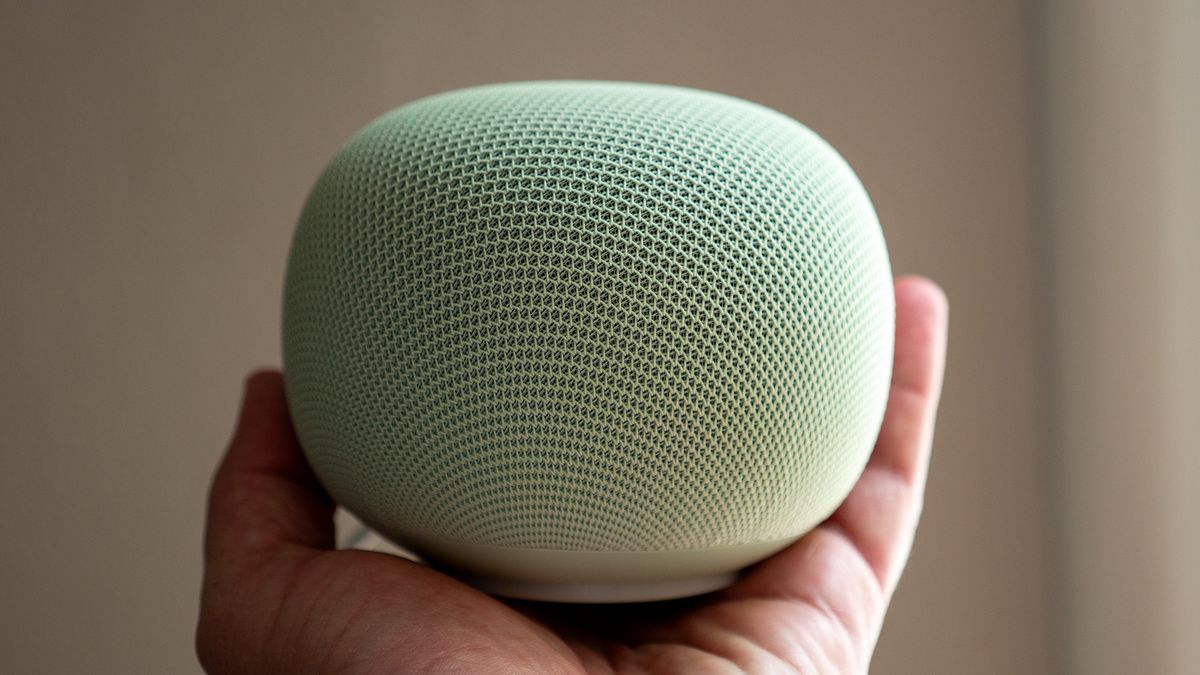

Google Home Speaker Data Drain | Smart Speaker Seller Risk Guide
- Unexplained background data use of 17-140GB per day prompts returns risk for smart speaker sellers and buyers in metered markets




Overview
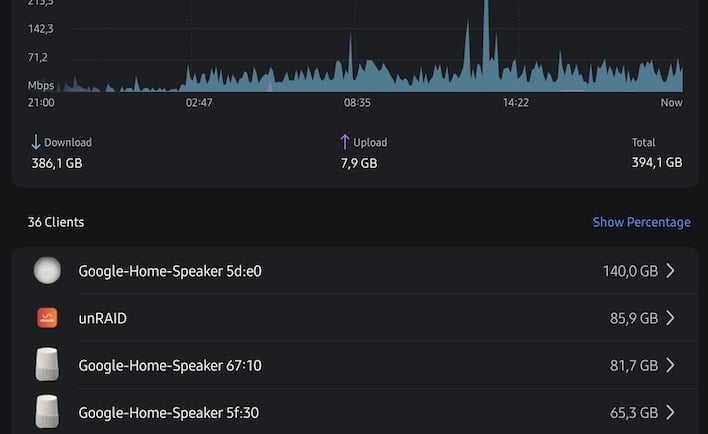
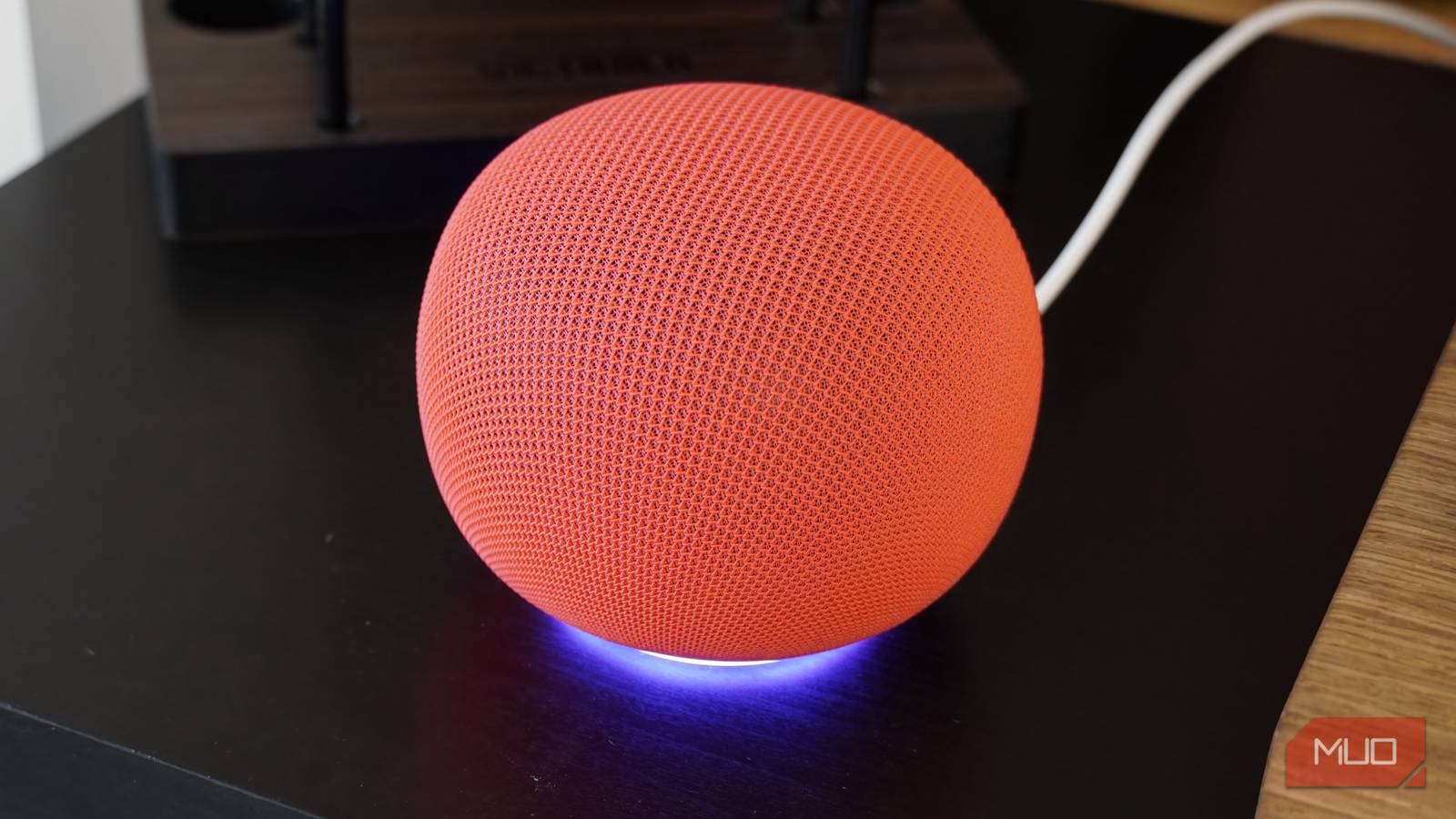
Reports from Android Central, 9to5Google and Reddit show some Google Home Speaker units downloading heavy background data while idle, with one speaker reportedly using over 140GB in a single day and three units consuming 6TB in under a month. Google has acknowledged the problem and says a fix is rolling out, but no scope or timeline has been published, and the cause remains unconfirmed. For cross-border sellers of smart speakers, this is a product-quality and post-sale support signal that can quickly convert into returns and negative reviews.
Post-sale firmware behavior is now a listing risk. The reported pattern is specific: one user with four speakers saw 6TB consumed in under a month while using them about 20 minutes per day, and a separate owner recorded 17GB in 24 hours and 132GB over 30 days on an unused unit. A lightly used speaker in another household downloaded only 2GB in a month, and the reporter suspects failed firmware update retries. A Nest Audio owner and Nest Hub owners in the same household reported no issue, so the problem appears confined to the Google Home Speaker model. Sellers should treat this as a model-level, not category-wide, defect until Google confirms otherwise.
The operational impact falls on metered connections and customer service. In markets where mobile or home broadband is capped, such as parts of SEA and LATAM, a 132GB monthly drain can generate bill-shock complaints that surface as Amazon or Walmart A-to-z claims and low-star reviews. Industry experience suggests that a single viral device-behavior complaint can depress conversion rates by 5-15% for several weeks, even when the root cause is a software fix. Sellers should separate their listing claims from unverified performance statements and avoid promising "low data usage" until Google publishes a fix note.
AI tooling can compress the detection window. Sellers can use sentiment-monitoring tools on review feeds and Reddit or Google Home community threads to flag keywords such as "data," "GB," "bill," and "firmware" within 24 hours. A simple NLP classifier on review text, combined with return-reason codes, typically detects a model-specific defect 1-3 weeks earlier than manual review. Automated support macros referencing the firmware update, drafted in the buyer's language, can reduce first-response time on these tickets by roughly half.
Looking at the broader pattern, smart home devices receive firmware updates that can introduce or resolve operational issues, so post-sale firmware monitoring should be part of inventory management, not an afterthought.
Questions 6
How can AI tools detect firmware-related defects earlier?
Sentiment and keyword classifiers applied to reviews, Reddit threads and return-reason codes can flag clusters of terms such as data, GB and firmware. Such monitoring can typically surface a model-specific defect 1-3 weeks before manual review. Pair alerts with automated support macros to halve first-response time.
What costs should sellers expect if smart speaker data complaints rise?
Returns and refunds for a single model can add shipping, restocking and reverse logistics costs that often run $15-40 per unit depending on region. Sellers may also see conversion declines of roughly 5-15% for several weeks after viral complaints. Budget for extra customer-service hours and consider a short-term PPC reduction on affected ASINs.