
Delivery Robot Biometric Lawsuits | BIPA Risk for Sellers
- Two Cook County suits target Coco Robotics and Serve Robotics; last-mile partners face BIPA data-handling review
Overview
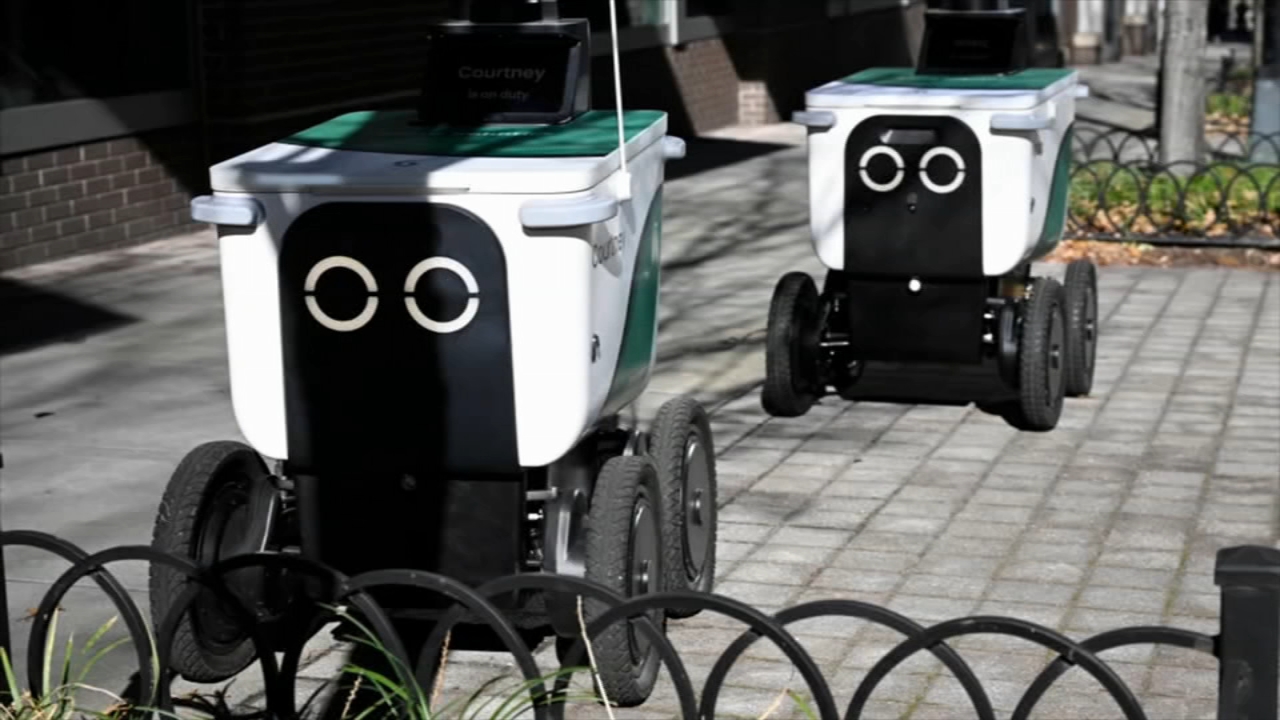
Two lawsuits filed in Cook County, Illinois, allege that sidewalk delivery robots from Coco Robotics and Serve Robotics collect customers' and bystanders' hand and facial data without consent, potentially triggering exposure under the Illinois Biometric Information Privacy Act (BIPA). Both companies deny the allegations, the exact filing date has not been reported, and no court findings exist yet. For cross-border sellers, the case is a signal that last-mile partners using sensor-equipped robots in public spaces now carry data-privacy risk that can flow back to merchants. The news reports that Serve Robotics says it uses cameras and sensors for navigation, does not identify individuals, and will defend the complaint. Coco Robotics says it has not collected biometric data in Chicago, has never used LiDAR there, and calls the suit frivolous.
Sellers relying on delivery robots or sidewalk last-mile partners should treat sensor data handling as a contractual compliance issue. BIPA is widely considered one of the strictest US biometric statutes, and it has historically supported class actions with statutory damages per violation. Industry data shows that BIPA suits have often centered on facial geometry and hand-scan collection, so the allegations here are material even though they remain unproven. Specifically for sellers, the operational impact is indirect but real: if a provider faces injunctions, data-deletion orders, or service suspensions in Chicago, merchants using same-day or robot-based delivery could see delivery windows slip or pricing change.
Looking at the broader pattern, municipal scrutiny of autonomous delivery is rising. The article references a Chicago incident in which robots reportedly clogged sidewalks after a deployment error. Similar episodes in other cities have historically led to permit restrictions, pilot caps, or added reporting duties, which can shrink available delivery capacity in dense urban zones. Sellers in apparel, beauty, and home goods that promise same-day delivery in US metro markets should not assume robot capacity will scale linearly. Merchants should also verify whether their 3PL or local courier uses third-party robots at all, since subcontracting often hides this exposure.
Practical checkpoints: review data processing addenda with last-mile partners, require disclosure of sensor types (camera, LiDAR, biometric capability), and confirm retention and deletion policies. Monitor motions to dismiss or settlements, which typically emerge within 3-6 months of filing in Illinois BIPA cases and will clarify whether navigation-only sensors fall within the statute's definitions.
Questions 6
Does Illinois BIPA apply to delivery robots that scan faces and hands on sidewalks?
The news reports two Cook County lawsuits allege that Coco Robotics and Serve Robotics robots collect hand and facial data without consent, but no court has ruled on whether BIPA applies. Both companies deny collecting biometric identifiers, with Serve Robotics saying it does not identify individuals and Coco saying it has not collected biometric data in Chicago. The case will depend on whether sensor data counts as a biometric identifier under the statute. Sellers should not assume the outcome, but should treat the allegations as a live compliance risk.
What should sellers monitor after these lawsuits were filed?
Monitor the Cook County docket for motions to dismiss, which typically arrive within the first few months, and watch for settlements that may include operational changes. Track any Chicago municipal ordinance on sidewalk robots, since permit rules could affect delivery windows. Reassess your last-mile provider risk quarterly until the case is resolved.