





SpaceX AI Compute Surge | Seller Demand Signals 2027
- SpaceX Q3 revenue up 161% to $14.6B; AI infrastructure spend signals hit cross-border sellers' cloud, hardware and logistics costs












Overview
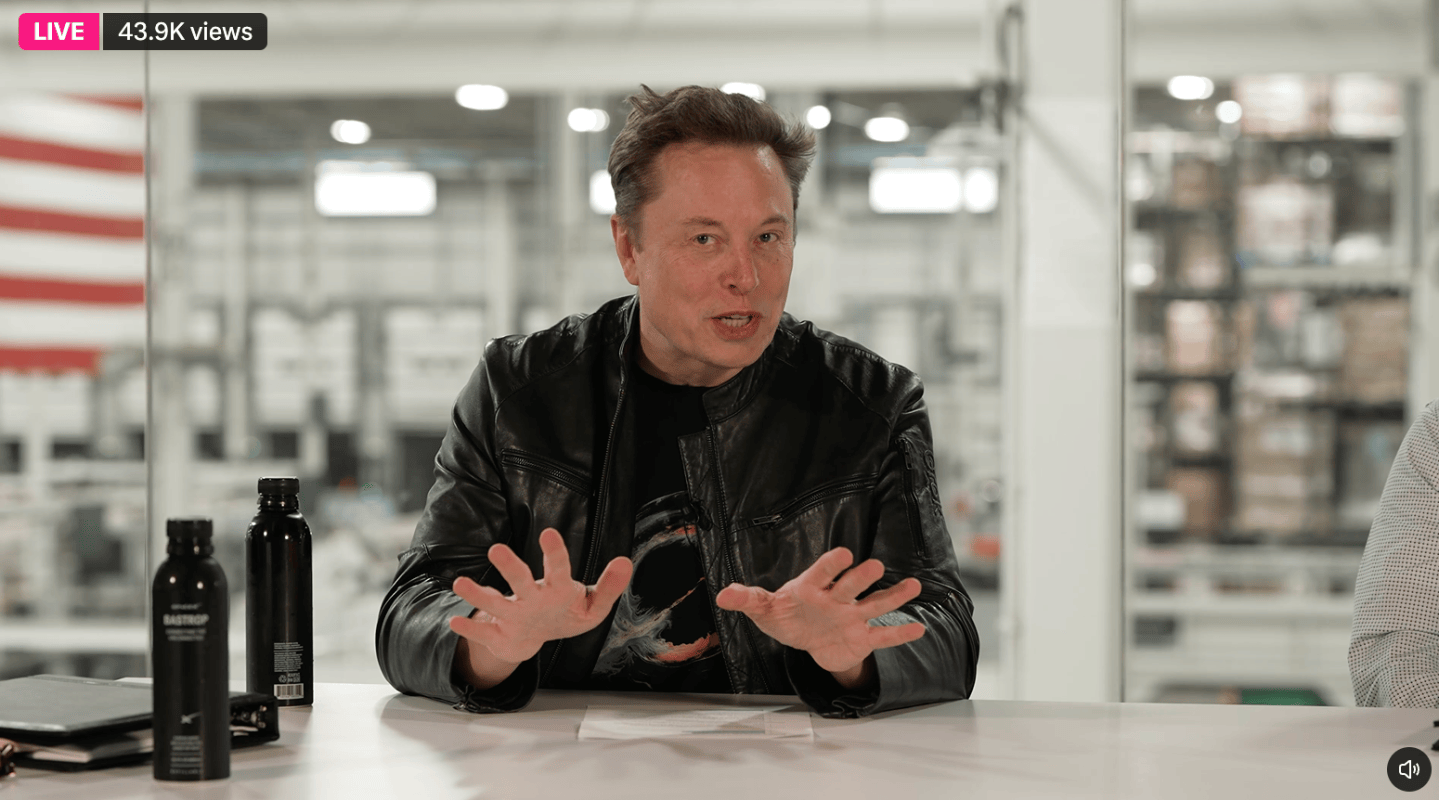
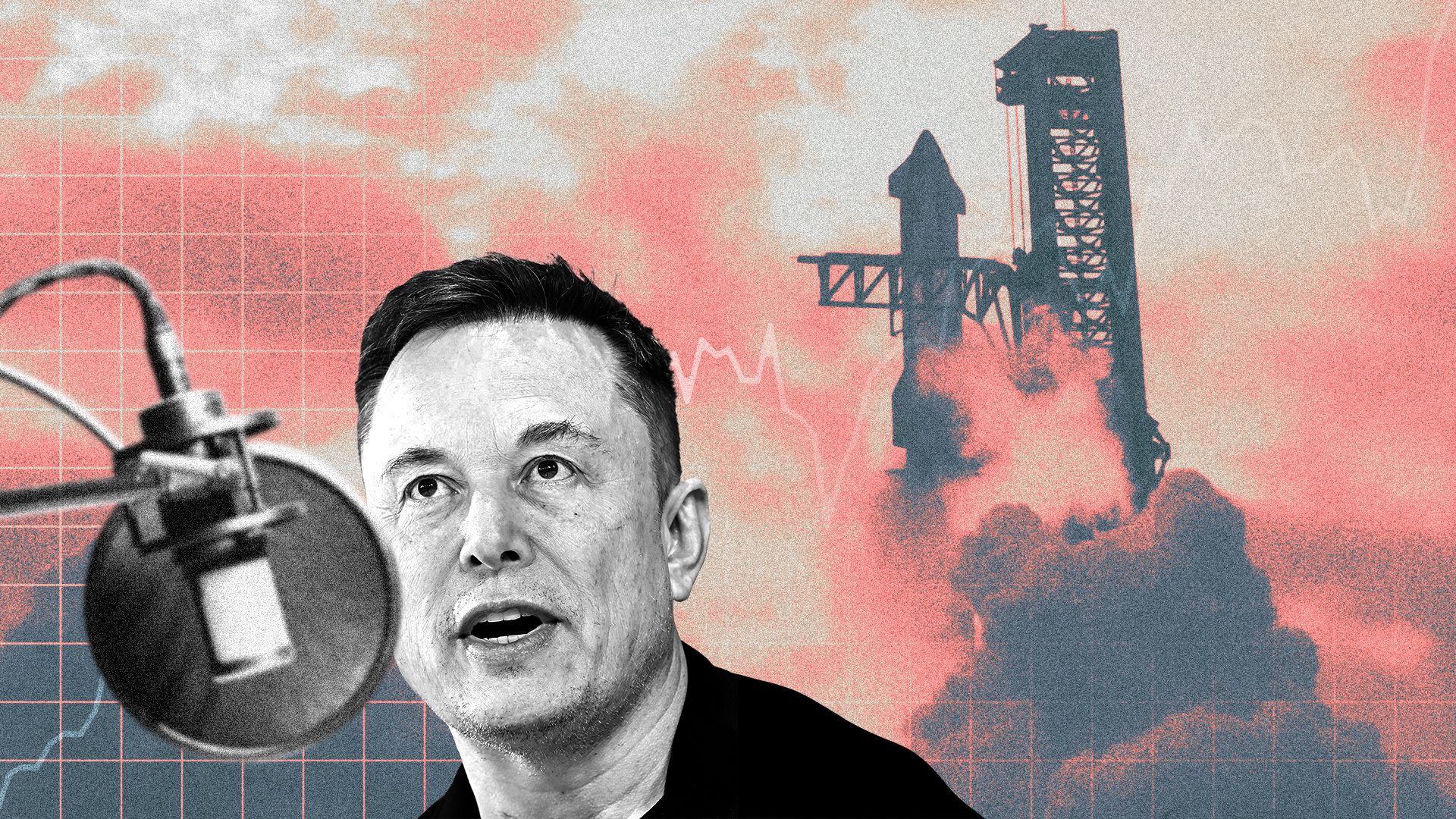
The news reports that SpaceX posted Q3 revenue up 161% year over year to $14.6 billion, with its superintelligence unit growing nearly 830% and contributing over half of sales for the first time. Shares rose more than 7%, lifting Nvidia, Intel, CoreWeave and Nebius, while Tesla gained almost 2% after Musk said the two companies formed committees to discuss a possible merger. For cross-border sellers, the core signal is not a platform change but a sharp rise in AI compute demand that can move cloud pricing, data-center hardware costs and logistics capacity over the next 1-4 quarters.
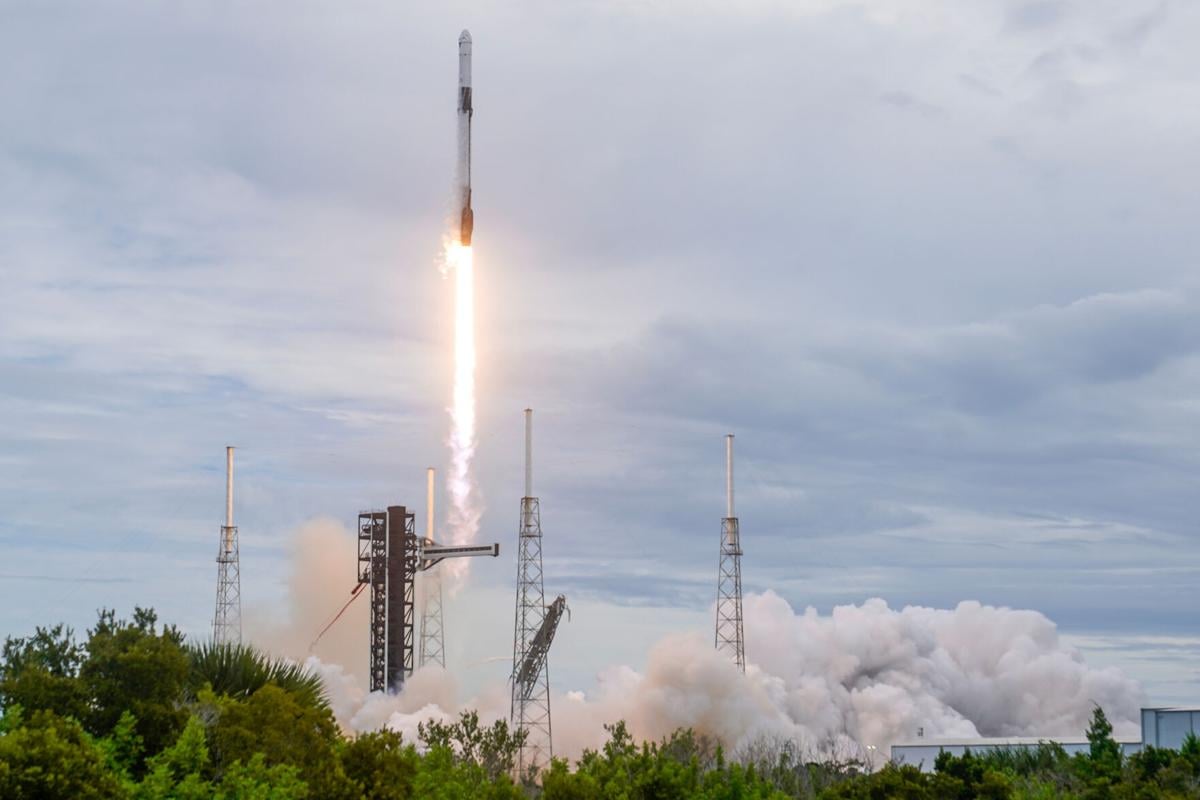
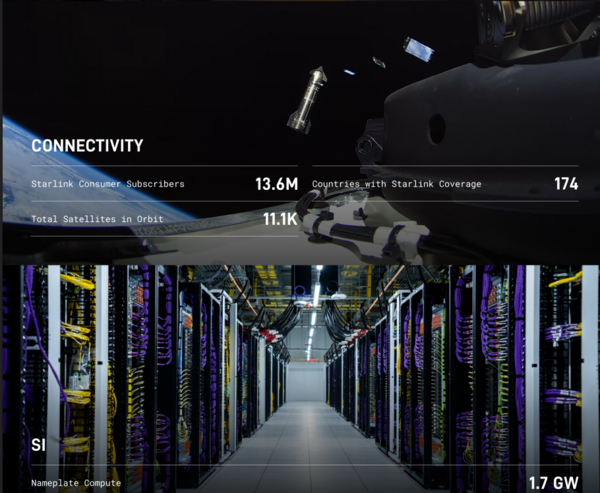
The operational read-through is mainly on cost structure. SpaceX guided Q1 2027 revenue to $33-37 billion versus $22 billion expected by FactSet, and plans $35-40 billion of physical infrastructure spending in the December quarter, up from $19.6 billion. The news reports that Musk targets 13-20 GW of data-center capacity by end-2027, versus 1.7 GW at Q3 end, while Morgan Stanley forecasts only 8.3 GW. This gap matters: sellers should plan for compute-heavy tools and AI-driven advertising costs rising faster than guidance, but not assume the full capacity build-out arrives on schedule. Power availability, execution risk and financing are the constraints Morgan Stanley cites.
For sellers, the demand-side implication is indirect but real. Industry data shows that AI infrastructure build-outs typically pull forward demand for GPUs, networking gear, power equipment, and skilled electrical components, which can lengthen lead times and raise prices for B2B sourcing in Shenzhen and Guangdong supply chains. Sellers of cooling fans, cables, UPS units and server accessories on Amazon Business or Alibaba.com may see inquiry volume increase, while consumer-facing sellers see little direct effect. Meanwhile, the sell-off in CoreWeave and Nebius the prior week driven by rate concerns signals that financing costs remain a swing factor; similar episodes historically cause short-term volatility in tech-linked consumer sentiment rather than durable purchase changes.
Specifically for sellers, the practical response is to monitor rather than overreact. Consider tracking AI cloud pricing and your ad-tool subscription costs quarterly, and review whether AI listing or ad automation tools bill on usage. Watch the December quarter infrastructure spend (guided at $35-40 billion) as an early indicator of hardware price pressure. Avoid building product lines around the Musk-linked hype cycle; the operating signal is durable infrastructure demand, not consumer demand for SpaceX or Tesla products. Actionability is low for most sellers in the near term, with the main value being early awareness of B2B component pricing and cost planning for 2027.
Questions 6
Why did CoreWeave and Nebius fall before rebounding, and what does it mean for sellers?
The news reports both specialized cloud providers sold off the prior week on rising interest-rate concerns, then gained about 2% in the latest session. Industry data shows rate-driven sell-offs in AI infrastructure stocks reflect financing cost sensitivity. For sellers, this signals that capital costs, not just demand, shape AI capacity growth, which matters for long-term cloud pricing planning.
Will the Tesla and SpaceX merger discussion affect cross-border product sales?
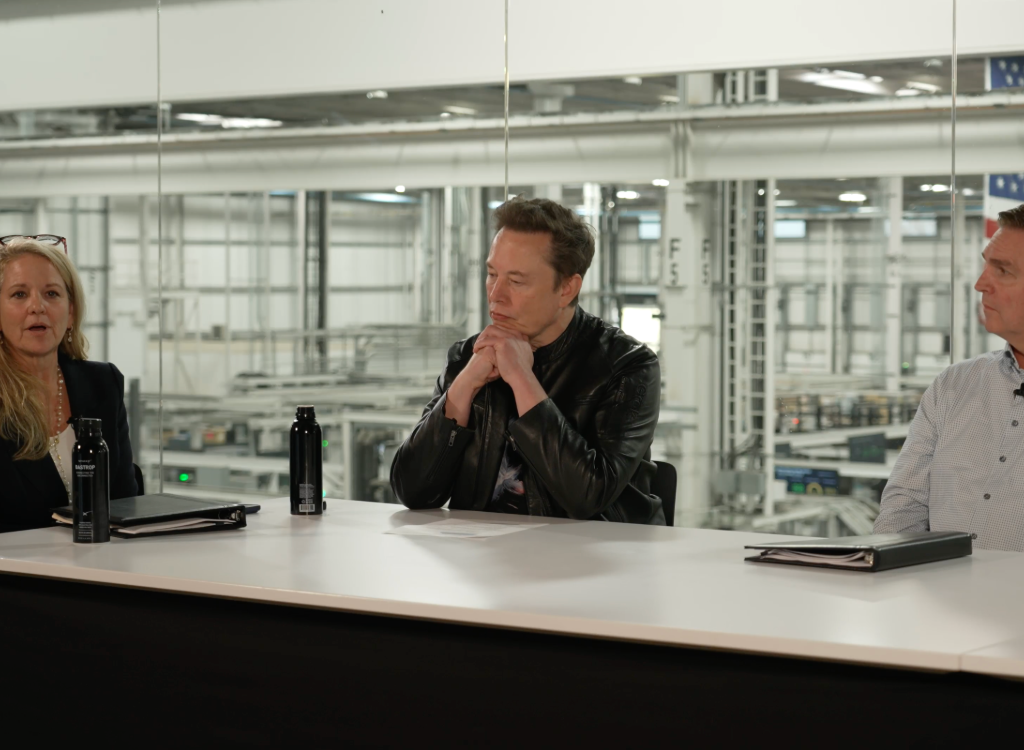
Not directly. The news reports Tesla and SpaceX formed special committees to discuss a possible merger, and Tesla shares rose almost 2%. Consumer demand for your products is unlikely to change from this. Monitor it only for market-sentiment swings in AI and tech-linked stocks that can affect B2B buyer confidence and financing conditions.