




SpaceX AI Compute Surge | Seller Signals for 2027
- SpaceX revenue up 161% to $14.6B; AI compute demand signals for sellers planning 2027 cloud, tools and logistics costs











Overview
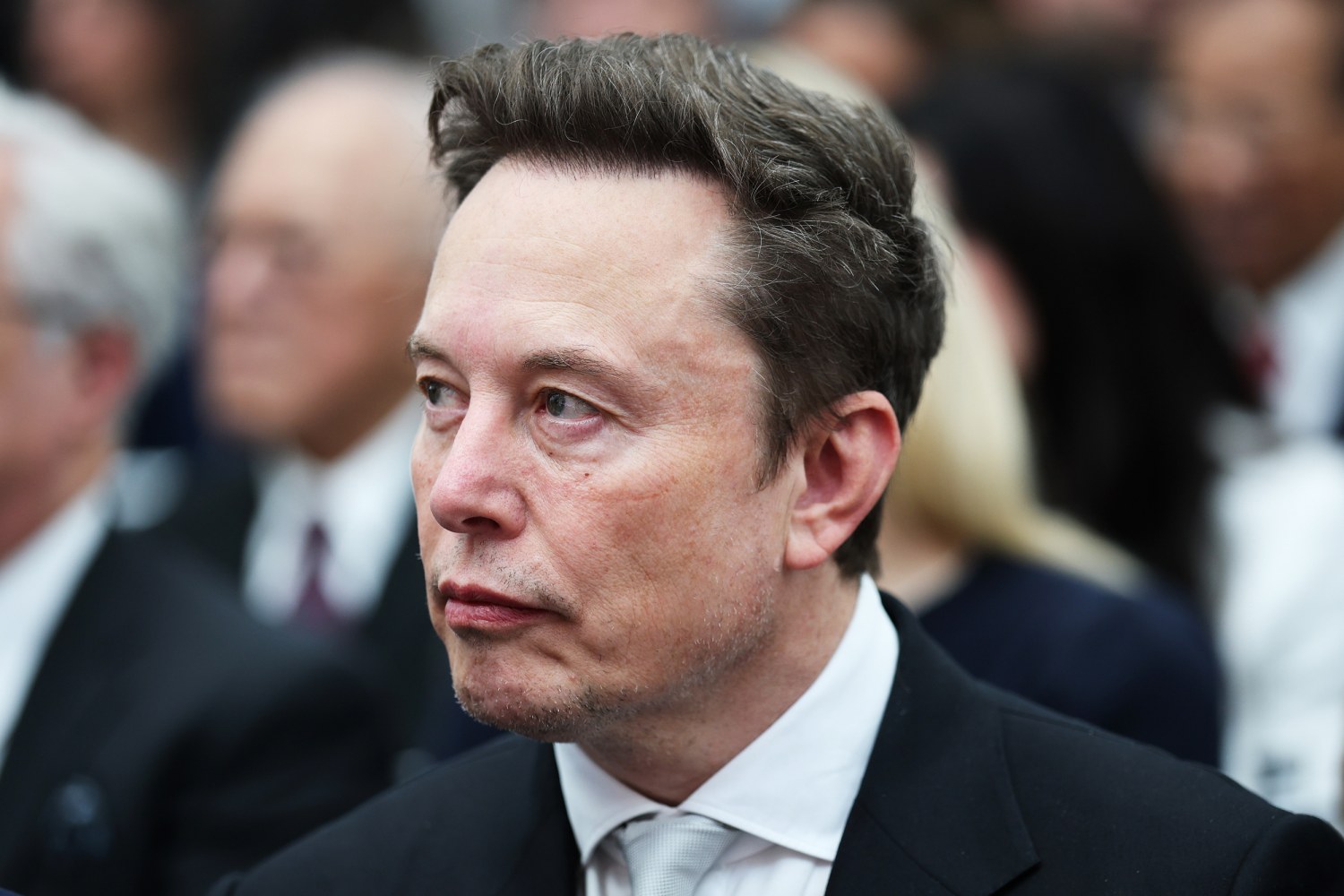
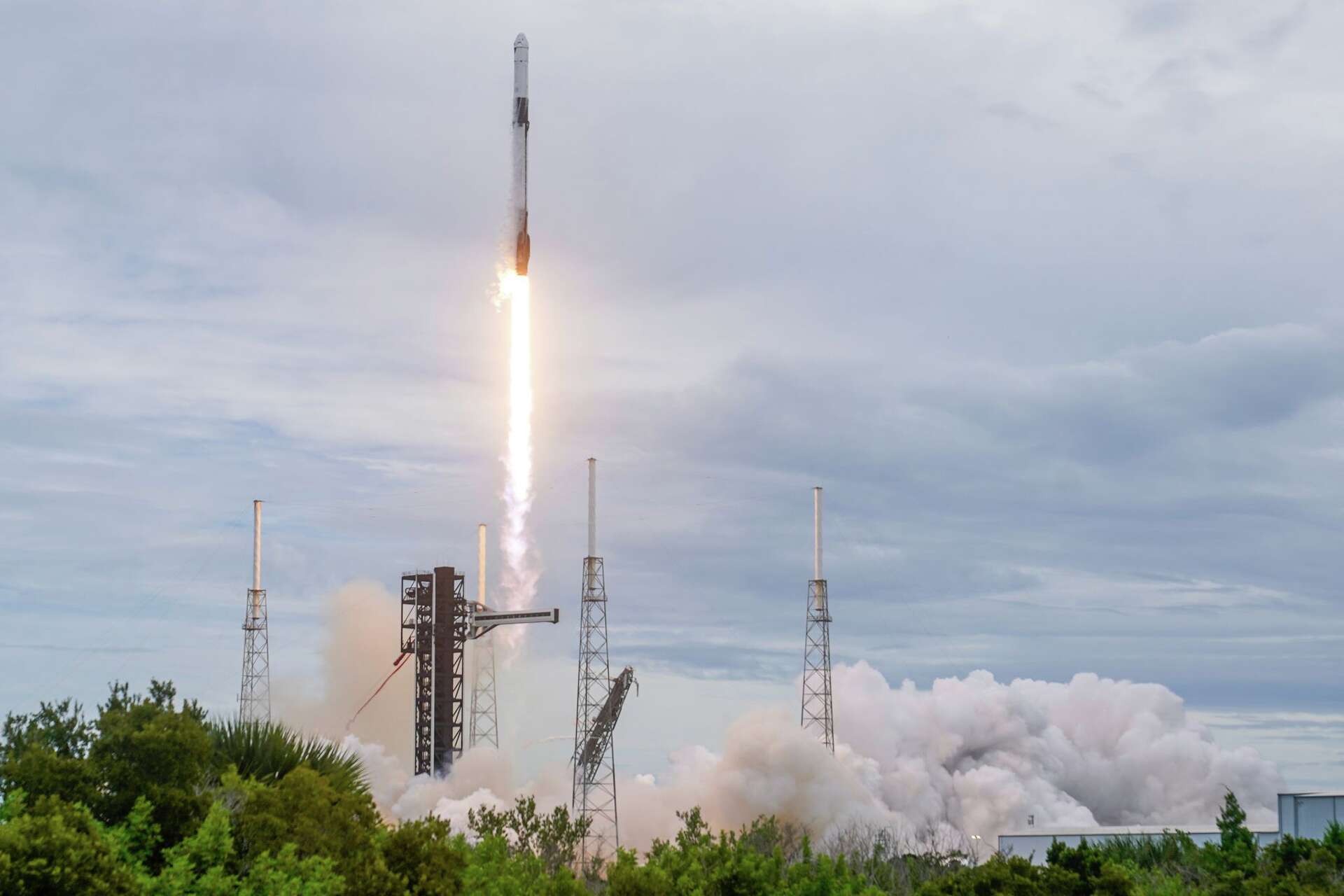
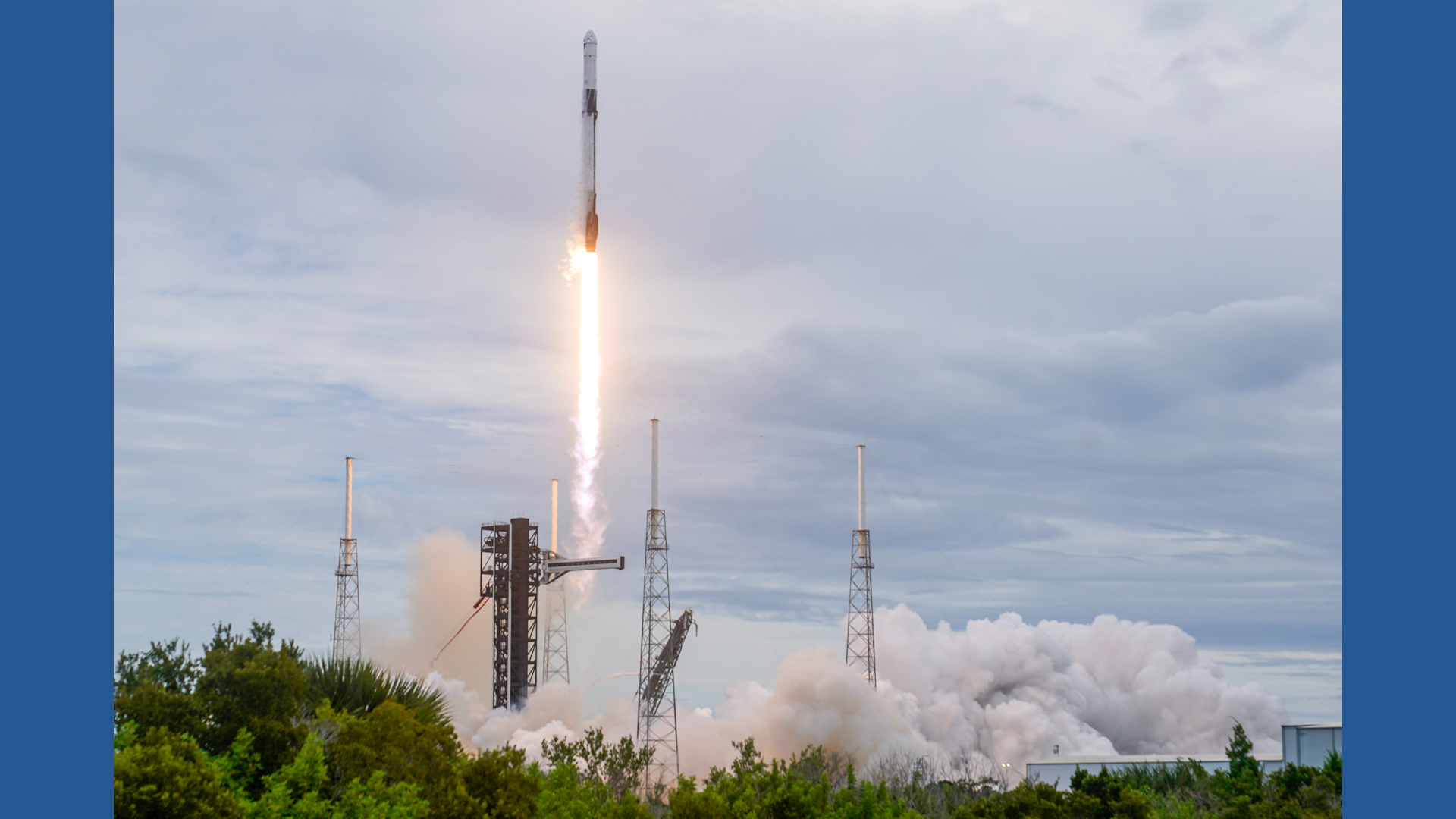
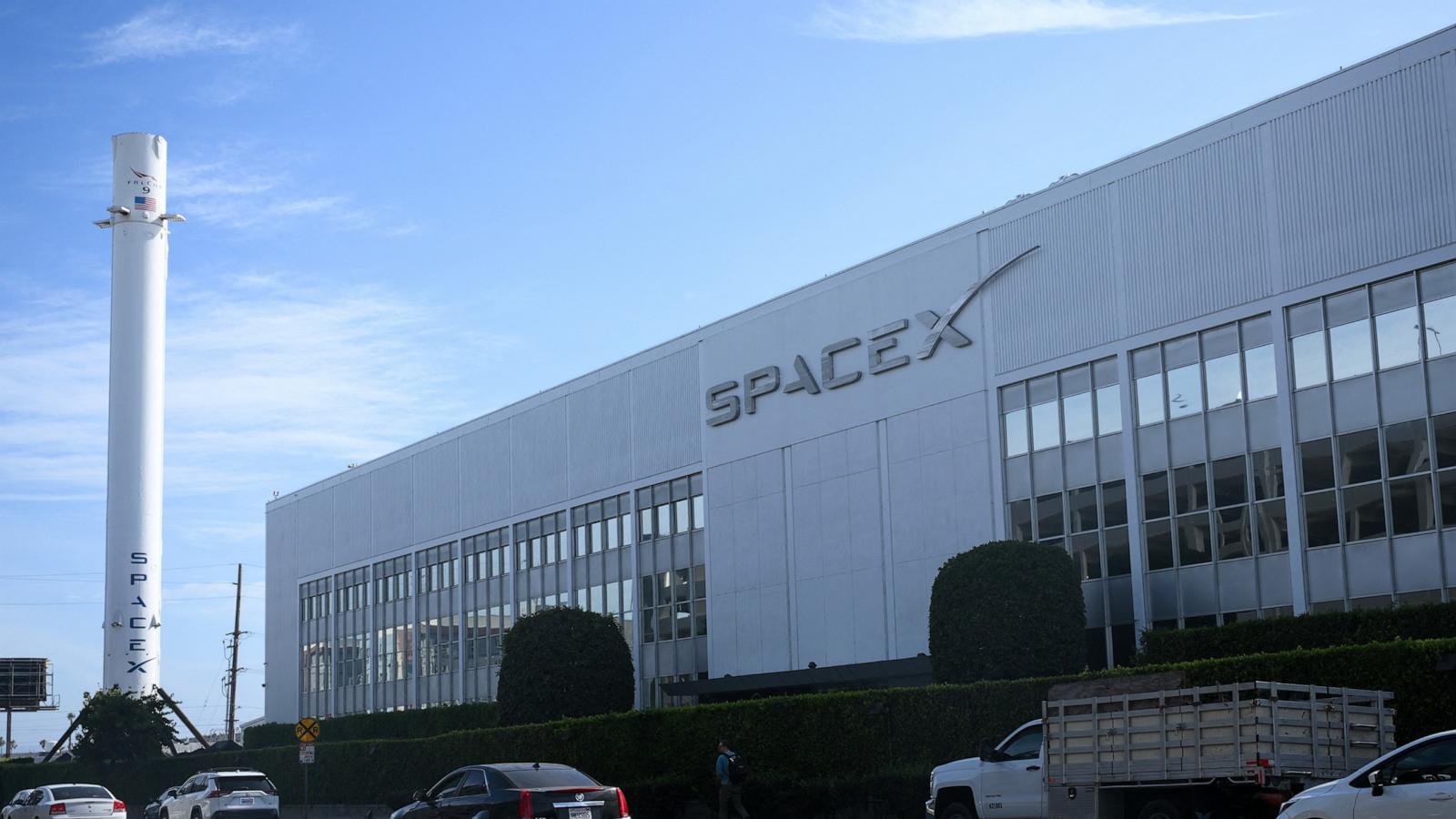
SpaceX's third-quarter results pushed its shares up more than 7% and lifted the broader AI infrastructure sector, with revenue up 161% year over year to $14.6 billion and its superintelligence unit growing nearly 830%, now more than half of total sales. For cross-border sellers this is not a direct platform change. It is a demand signal for AI compute, which typically flows down into the SaaS tools, cloud storage and AI-driven advertising costs sellers pay every month.
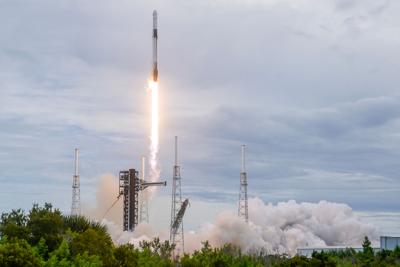
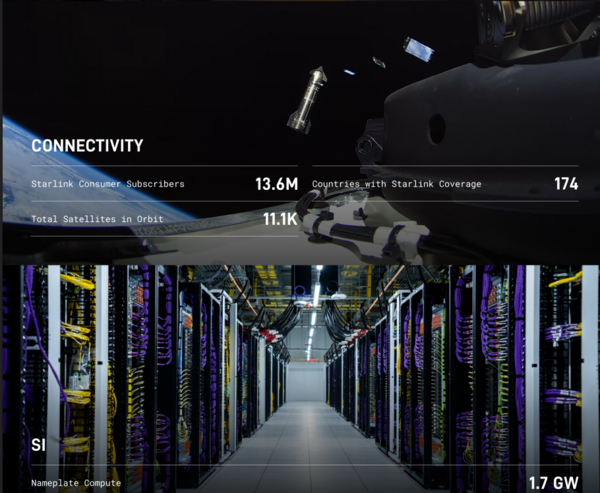
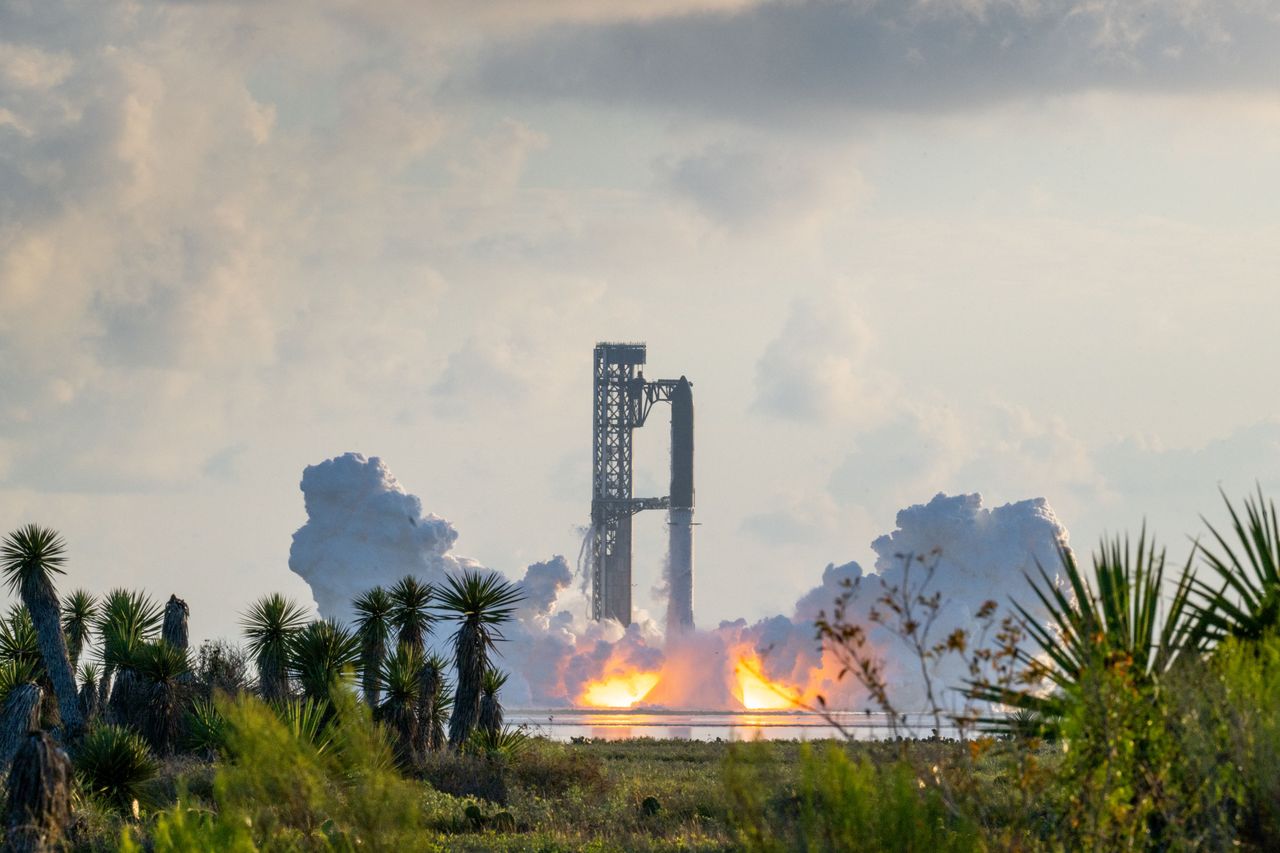
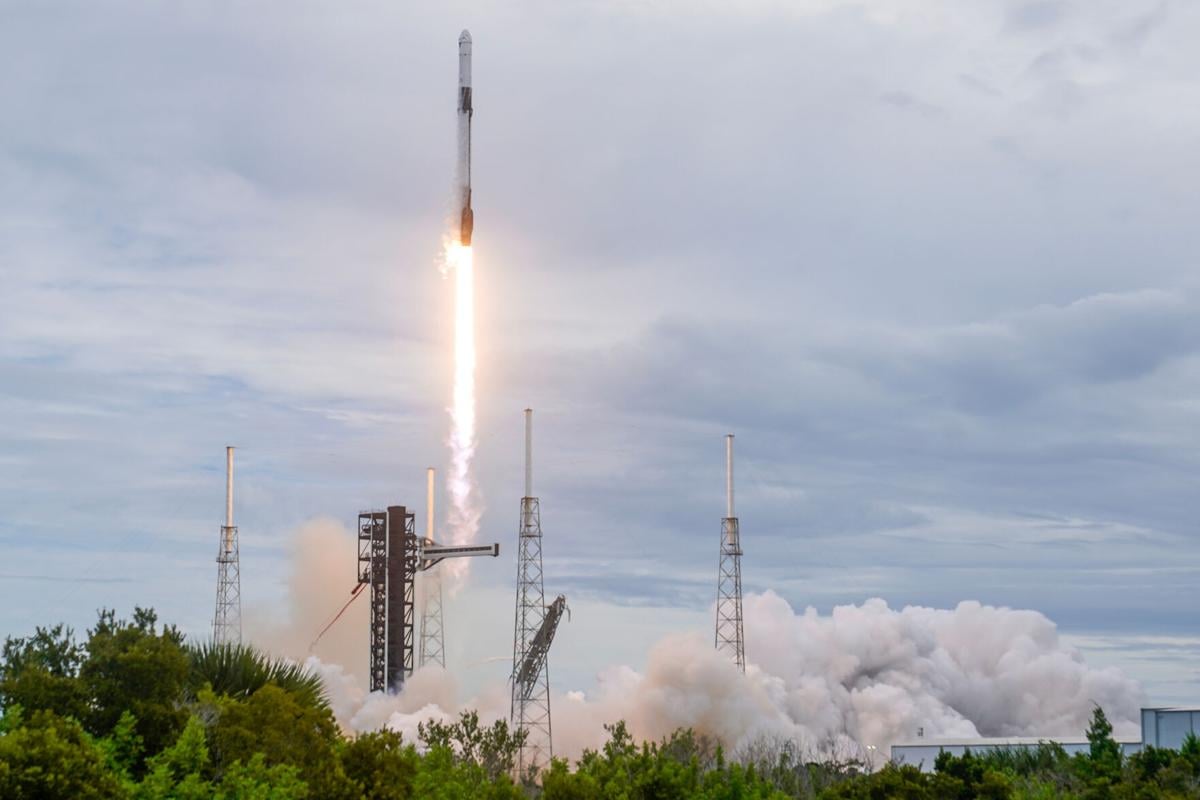
The strongest signal is capacity build-out. Musk targets 20 gigawatts of data-center capacity by end-2027, or at least 13 gigawatts, up from 1.7 gigawatts at the end of Q3. Morgan Stanley is more conservative at 8.3 gigawatts, citing power access, execution and financing risk. The gap between these forecasts is itself a warning: infrastructure timelines often slip, so sellers should not budget as if compute capacity and pricing will ease on schedule. SpaceX expects $35-40 billion of physical infrastructure spend in the December quarter, versus $19.6 billion this quarter, and guided Q1 2027 revenue to $33-37 billion against $22 billion expected by FactSet analysts.
Specifically for sellers, the operational impact is cost pressure on AI-enabled tooling. Platforms such as Amazon, Shopify and Walmart Marketplace increasingly bundle AI listing generation, image editing and ad-bidding automation. Industry pattern suggests that when hyperscaler compute demand rises, vendors pass through part of cloud costs through higher subscription tiers or usage-based pricing. Sellers running heavy AI content workflows should expect a 5-15% rise in tool costs at renewal, though this is an estimate rather than a confirmed price change. The news also shows CoreWeave and Nebius rising about 2% after a prior-week sell-off driven by interest-rate concerns, which suggests financing sensitivity that could affect vendor stability.
The indirect opportunity lies in consumer hardware and AI-adjacent categories. Sellers of consumer electronics, GPU-adjacent accessories, cooling and power accessories, and small-business AI devices may see demand in the 2026-2027 window as enterprise capex trickles into retail channels. Tesla's shares rose almost 2% after Musk confirmed special committees to discuss a possible Tesla-SpaceX merger; this is a sentiment event, not a sourcing event, and should not drive inventory decisions.
The operational message: treat this as a 3-to-12-month watch item, not an immediate action.
Questions 6
What does the power and financing risk mean for cloud vendor stability?
Morgan Stanley cited uncertainty over securing power, execution risk and financing, and CoreWeave and Nebius each rose about 2% after a prior-week sell-off driven by rising interest-rate concerns. For sellers, this means vendors dependent on capital-intensive AI infrastructure may face pricing or service changes. Keep a backup data storage and tool provider, and export key listing and advertising data monthly so a vendor change does not disrupt operations.
Which product categories could benefit from AI infrastructure spending?
Sellers in consumer electronics, PC and GPU-adjacent accessories, surge protection, cooling accessories and small-business AI hardware may see indirect demand as enterprise AI spending grows. Industry pattern suggests enterprise capex often reaches retail channels with a lag of several quarters. Test listings on Amazon and Walmart Marketplace with small budgets before scaling, and track search volume and conversion rate weekly.