






Macro Rate Pressure Signals | Cross-Border Seller Watch
- Treasury 10-year near 5.11% and 30-year mortgage at 7.41% may tighten discretionary budgets for cross-border buyers



















Overview
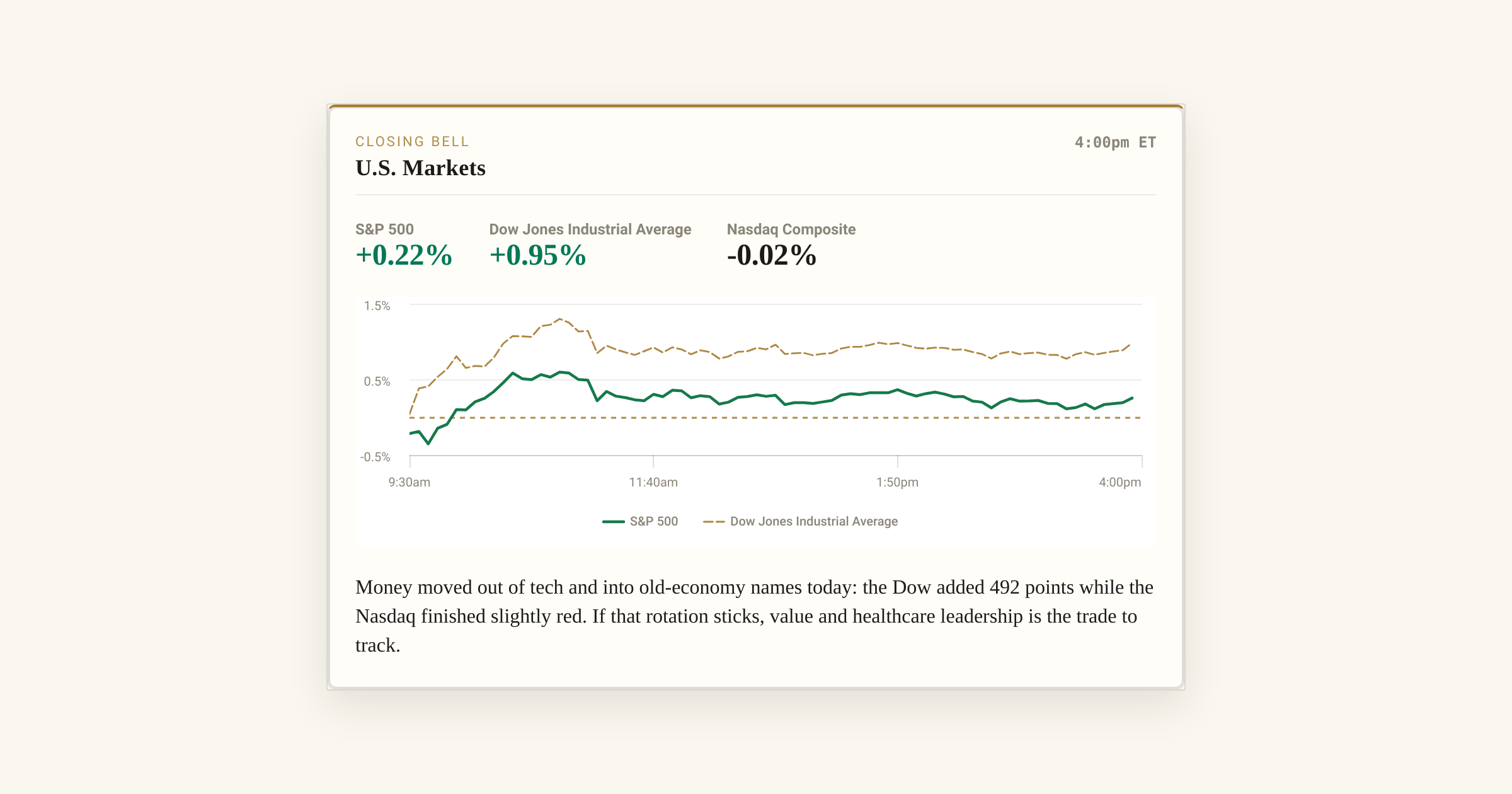
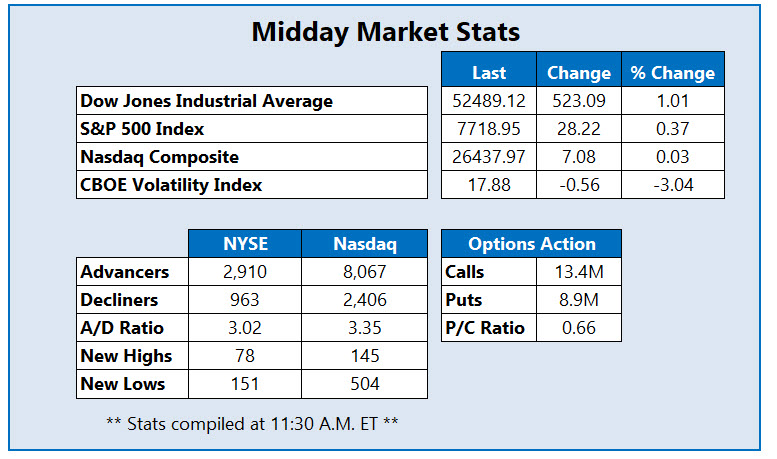
The CNBC live roundup (CAAqNggKIjBDQklTSGpvSmMzUnZjbmt0TXpZd1NoRUtEd2lkazl1YUVoSEVTOWE4akhUWHlpZ0FQAQ) reports no direct changes to Amazon, eBay, Shopify, or Temu fees, policies, or cross-border rules. Its relevance to sellers is macroeconomic: Treasury 10-year yields held near 5.11%, mortgage applications fell 5.3% week over week, and the average 30-year fixed rate eased to 7.41% from 7.50%. Investors are waiting on the upcoming Federal Reserve rate decision. Sellers should treat this as a demand-side and cost-of-capital signal, not an operational alert.
Elevated rates are the main demand-side risk for discretionary categories. The news reports that softer mortgage demand and high long-term yields usually reduce household confidence in big-ticket purchases. Industry data shows that home-related categories such as furniture, home improvement, and kitchen appliances are the most sensitive, and they often see slower conversion when financing costs stay high. For sellers on Amazon Seller Central or Shopify, this can mean lower conversion rates and higher PPC cost per order, because competitors also bid harder for a shrinking pool of buyers. A practical response is to shift ad spend toward essentials and replenishment SKUs, and to test lower-priced bundles in home categories rather than expanding high-ticket inventory.
Capital costs and AI infrastructure signals matter for tooling and cloud spend. The article notes that Gartner analyst John Lovelock sees excess AI compute capacity and expected consolidation into duopolies, while Brad Gerstner of Altimeter says future compute demand is uncertain. Specifically for sellers, this suggests that cloud, repricing software, and AI listing tools may become cheaper or bundle into fewer vendors over the next 3-12 months. Sellers should avoid locking into multi-year annual SaaS contracts before pricing settles, and should review whether current AI-based listing or ad-management tools can be replaced with lower-cost plans. Higher rates also raise the carrying cost of inventory, so each extra week of stock costs more than it did a year ago.
Equity-market earnings from logistics-adjacent and industrial names provide only indirect context. The article reports that AT&T beat estimates with $32.3 billion revenue yet shares fell about 6%, and that SpaceX revenue rose 16% to $14.58 billion. These figures do not affect cross-border fulfillment, but they show that investors are rewarding cost discipline over growth surprises. Sellers can read this as a signal to prioritize margin protection over volume expansion during the current rate environment.
Immediate Actions (0-30 days): Review cash-conversion cycles and cut slow-moving inventory before the Federal Reserve decision; monitor 30-year mortgage rate trends weekly; check whether home-category ad conversion has dropped more than 10% since last quarter. Strategic Adjustments (1-6 months): Shift 15-20% of home-category budget toward consumables and gift-priced SKUs; renegotiate tooling contracts on shorter terms. Risk Mitigation: Avoid new high-ticket inventory commitments until rate direction is clear, and set a checkpoint after the next Fed meeting to revisit ad budgets and reorder quantities.
Questions 6
Does the Treasury yield rise near 5.11% affect Amazon FBA sellers directly?
No direct fee or policy change for Amazon FBA sellers is reported. The CNBC roundup mentions Treasury 10-year yields held near 5.11%, which matters mainly through financing costs and consumer demand. Sellers carrying inventory on credit or using loans should recheck their cost of capital. Monitor conversion and ad cost trends in Amazon Seller Central over the next 30 days.
Why do mortgage rates matter for e-commerce home category sellers?
The news reports that the average 30-year fixed rate eased to 7.41% from 7.50%, while mortgage applications fell 5.3% week over week. Industry data shows that home-related categories such as furniture and home improvement are sensitive to housing activity, so softer applications can signal slower big-ticket demand. Sellers on Shopify or Amazon should expect lower conversion on high-ticket items.