






Macro Rate Pressure Hits Sellers | Q3 Earnings Signals 2025
- Elevated 7.41% mortgage rates and 5.11% Treasury yields may squeeze discretionary spending for cross-border home and tools sellers

















Overview
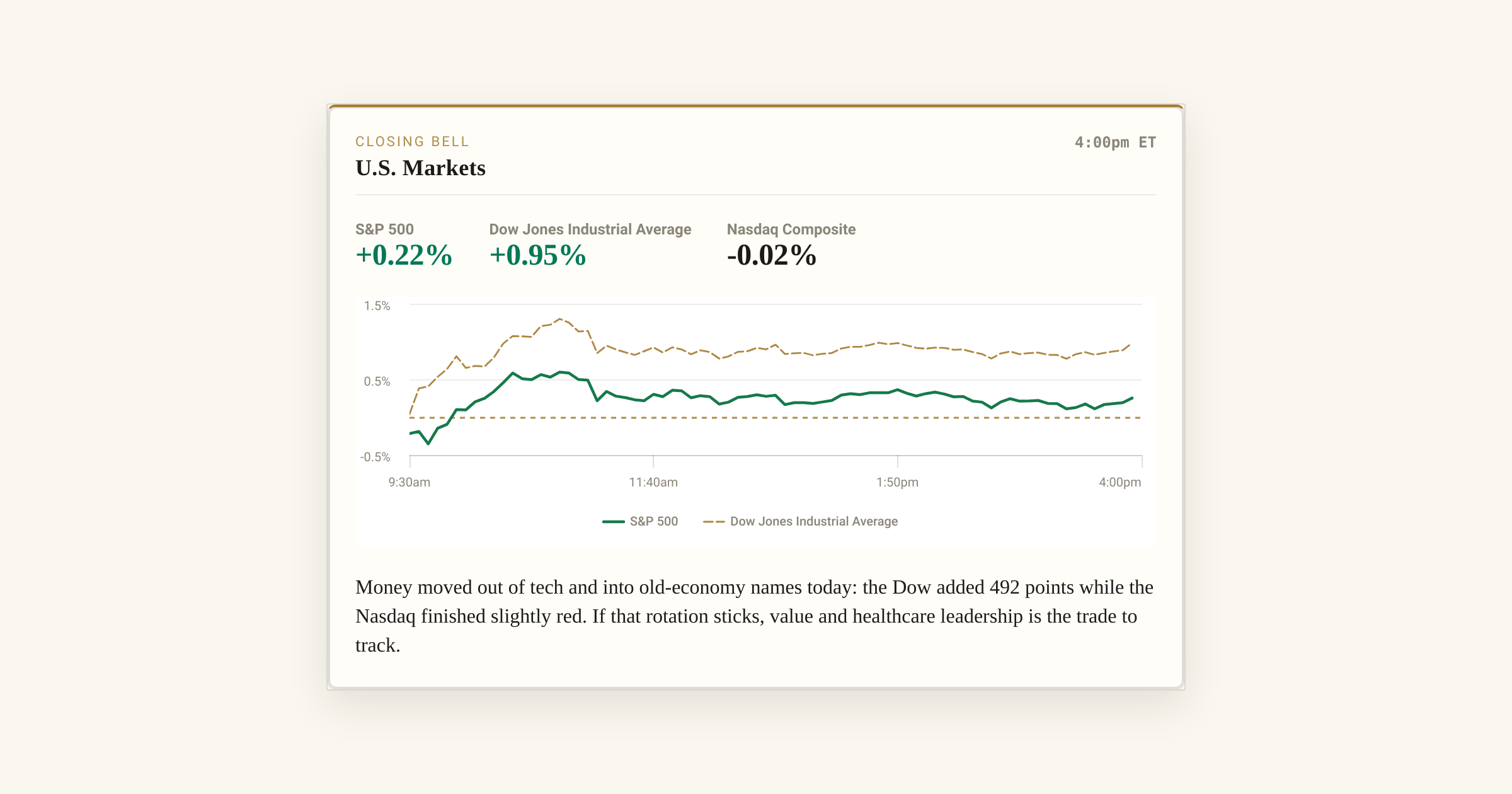
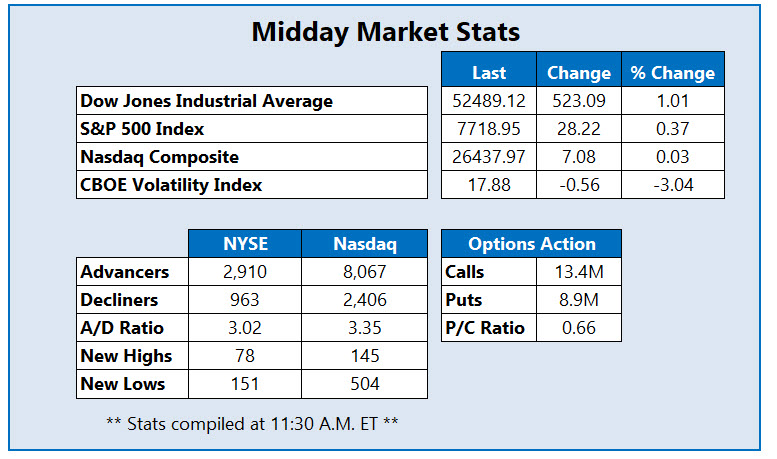
The CNBC live roundup on Wednesday's market session reports no direct change to Amazon, eBay, Shopify or Temu fees, policies, or cross-border regulation. Its relevance to sellers is macroeconomic: the average 30-year fixed mortgage rate eased to 7.41% from 7.50%, mortgage applications fell 5.3% week over week, and the 10-year Treasury yield held near 5.11%. Investors are waiting on the upcoming Federal Reserve rate decision. Sellers should treat these as demand and financing-cost signals, not as operational alerts.
The reported data points to pressure on big-ticket discretionary spending. Mortgage applications falling 5.3% usually precedes slower home-related purchasing, so sellers in furniture, home improvement, and kitchen appliances on Amazon and Walmart Marketplace should expect softer conversion in the coming weeks. Industry data shows that high-ticket categories are the first to see reduced conversion when borrowing costs stay elevated. Sellers can respond by tightening their PPC bids toward high-intent keywords and avoiding broad-match spend on expensive SKUs. Similar rate-pressure periods historically pushed buyers toward lower-priced, replenishment-style items, which often lifts demand for consumables and accessories.
Financing costs also matter for working capital. Sellers using inventory loans, Shopify Capital-style advances, or credit lines should review their current rates and repayment schedules before the Federal Reserve decision. A 1-2 percentage point rise in short-term borrowing costs can add roughly $1,000-3,000 in annual interest on a $100,000 inventory line, which is material for thin-margin sellers. Keeping safety stock below 60 days of cover for slow-moving SKUs reduces this exposure.
The article also flags AI compute oversupply, with Gartner's John Lovelock expecting market consolidation into duopolies. For sellers, this could lower the cost of cloud hosting, analytics tools, and AI-powered listing software over the coming quarters. Sellers should avoid signing multi-year software contracts at current prices until pricing settles. Monitor the Federal Reserve statement and the next MBA weekly mortgage report as checkpoints. Within 30 days, review ad spend on high-ticket SKUs, and within 1-3 months, reassess supplier payment terms and tool subscriptions.
Questions 6
Should I expect lower cloud and software tool costs from AI compute oversupply?
The article cites Gartner analyst John Lovelock noting excess AI compute capacity and expected consolidation into duopolies. This may eventually lower hosting, analytics, and AI listing tool prices, but the timing is uncertain. Avoid locking into multi-year software contracts at current prices, and review pricing again within 1-3 months.
What should sellers monitor after this market update?
Watch the Federal Reserve rate decision, the next weekly Mortgage Bankers Association application report, and the 10-year Treasury yield near 5.11%. Within 30 days, review PPC performance on high-ticket SKUs and check financing terms. Within 1-3 months, reassess supplier payment terms and tool subscriptions against the macro trend.