
AI Diagnostics Trust Signals | Seller Insights for Health Tech Niches
- Uncertainty-scored AI lifts per-patient confidence; sellers in medical devices, health monitoring and AI SaaS can borrow the "confidence score" trust model in listings
Overview
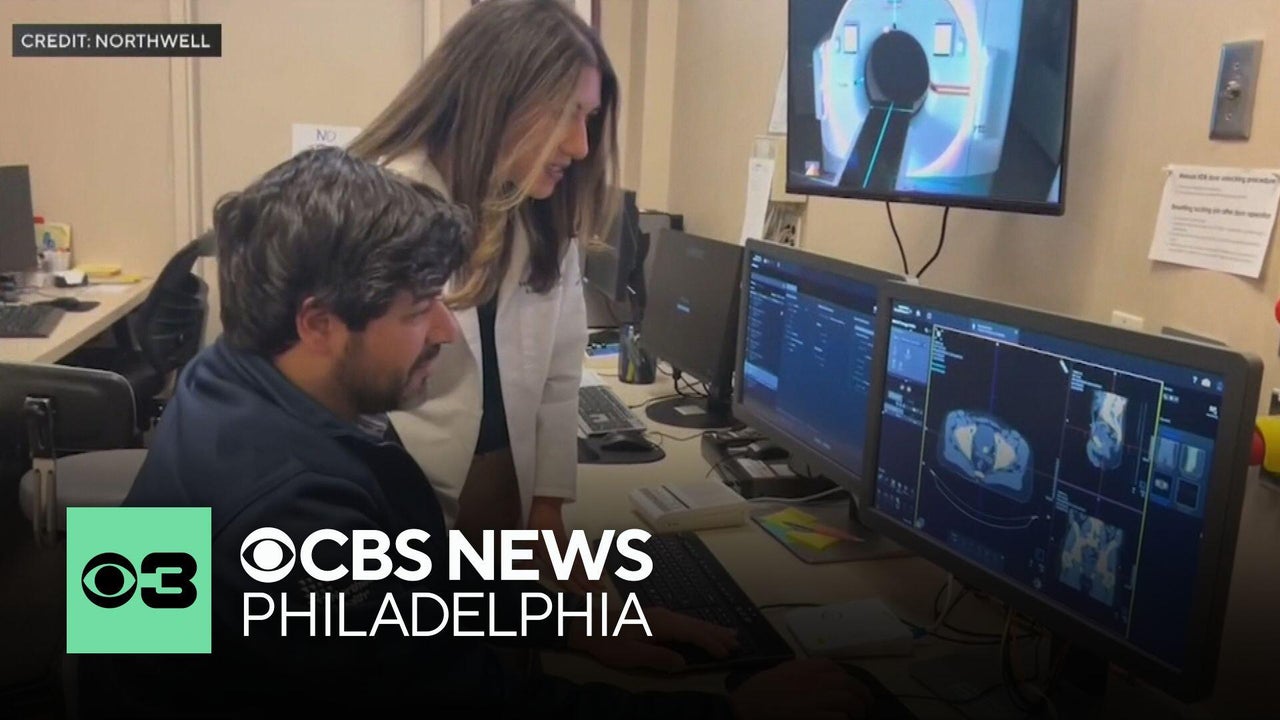
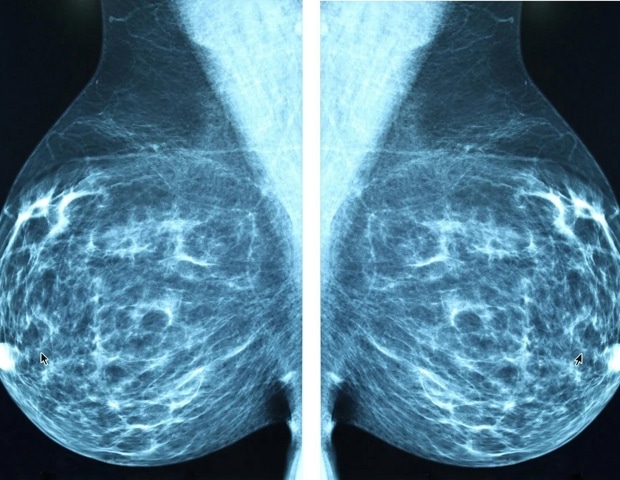
The news reports that the University of Pittsburgh, using the PSC Bridges-2 supercomputer under an NSF ACCESS allocation, built an uncertainty-weighted deep neural network for breast cancer diagnosis from mammograms. Its key feature is a per-patient confidence score rather than only population-level accuracy. The results were presented at the SPIE annual meeting in Vancouver in February 2026. The article itself is medical imaging research with no direct connection to cross-border e-commerce platforms, policies, logistics, or regulations, so the seller relevance is indirect and comes from the product-design pattern it illustrates.
The operational lesson is that buyers increasingly want calibrated, case-level trust signals rather than headline accuracy claims. Industry data shows that in health-tech and medical-adjacent categories on Amazon and TikTok Shop, listings that quantify performance (sensitivity ranges, test conditions, certification numbers) tend to see fewer returns and questions than vague "99% accurate" claims. Sellers of home health monitors, blood pressure devices, pulse oximeters, and smart wearables can adopt the same framing: show confidence intervals, validation sample sizes, and the scope of use. This is especially useful for EU sellers, where MDR-related claims must be substantiated, and for US sellers where FDA-cleared versus general-wellness language determines what can be advertised.
This also points to an AI product gap. Sellers lack affordable tools that convert a product's technical specs into calibrated, compliant listing copy with confidence language and disclaimers. A tool that checks claims against regional rules (FDA, EU MDR, UKCA) before publishing could cut listing review cycles from days to hours. Similarly, AI review-analysis tools could flag when customers express uncertainty about a product's accuracy, revealing trust gaps that a seller can address with clearer documentation.
Looking at platform data, the operational impact for most cross-border sellers is minimal in the short term. Using AI to draft listing content, run sentiment analysis on reviews, and monitor claims-related policy changes can save an estimated 3-6 hours per week for a catalog of 50-200 SKUs. Sellers in adjacent categories should monitor AI-driven medical software regulation updates, since these will likely shape how health-related claims are reviewed on marketplaces over the next 3-12 months.
Questions 6
Should I add AI confidence claims to my health monitor listings on Amazon?
Only if the claims are substantiated and compliant with local rules. Amazon Seller Central restricts unverified medical claims, so listings should state validated metrics, test conditions, and sample sizes rather than unqualified accuracy percentages. The Pittsburgh study shows the value of scoped confidence reporting, but it is medical imaging research and does not change Amazon's policies. Review your claims against Amazon's health and medical listing guidelines before publishing.
How do EU and US rules differ for health-tech product claims?
In the US, the FDA regulates devices by intended use, so diagnostic claims often need clearance while general wellness claims face lighter oversight. In the EU, the MDR requires clinical evidence and conformity assessment for medical devices, with stricter documentation for higher-risk classes. Sellers should confirm device classification before using terms like diagnosis or detection. This news does not alter either framework.