





Amazon AI Capex Hits FCF | Seller Impact Analysis 2026
- Q2 2026 free cash flow fell to -$7.6B as AWS capex nears $200B, signaling tighter cloud budgets and AI-tool pricing shifts for Amazon sellers
















Overview
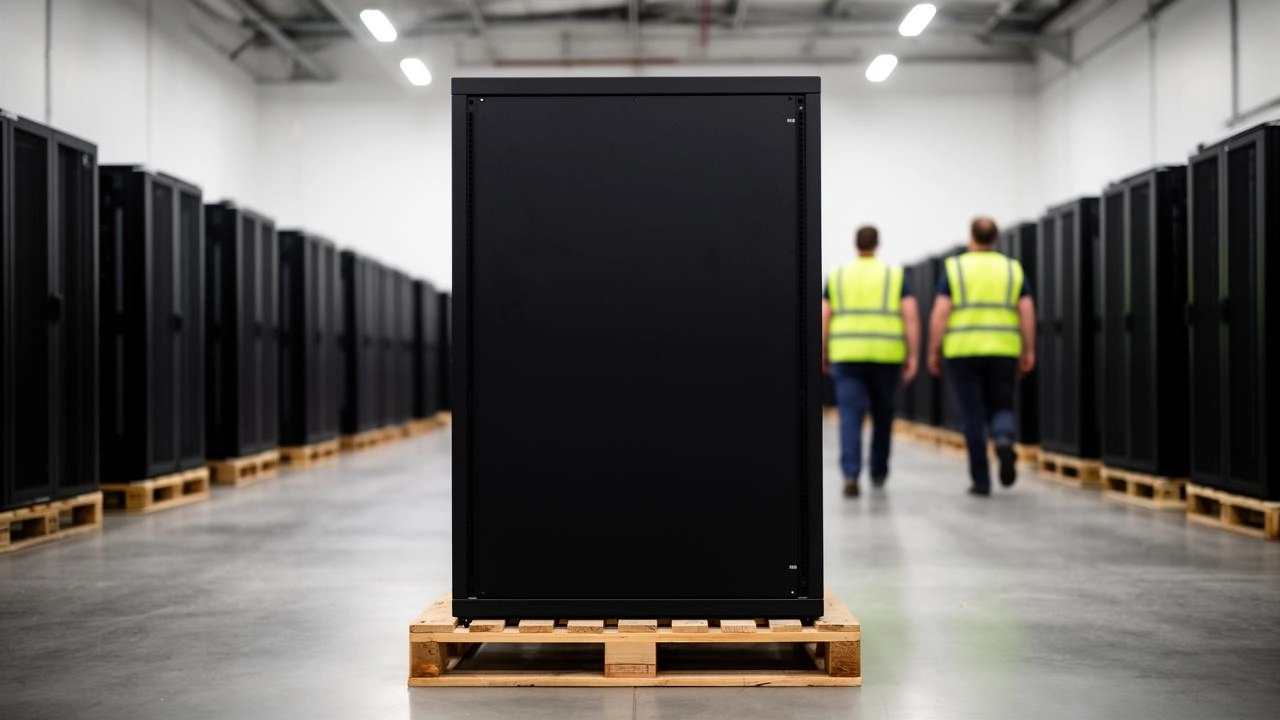
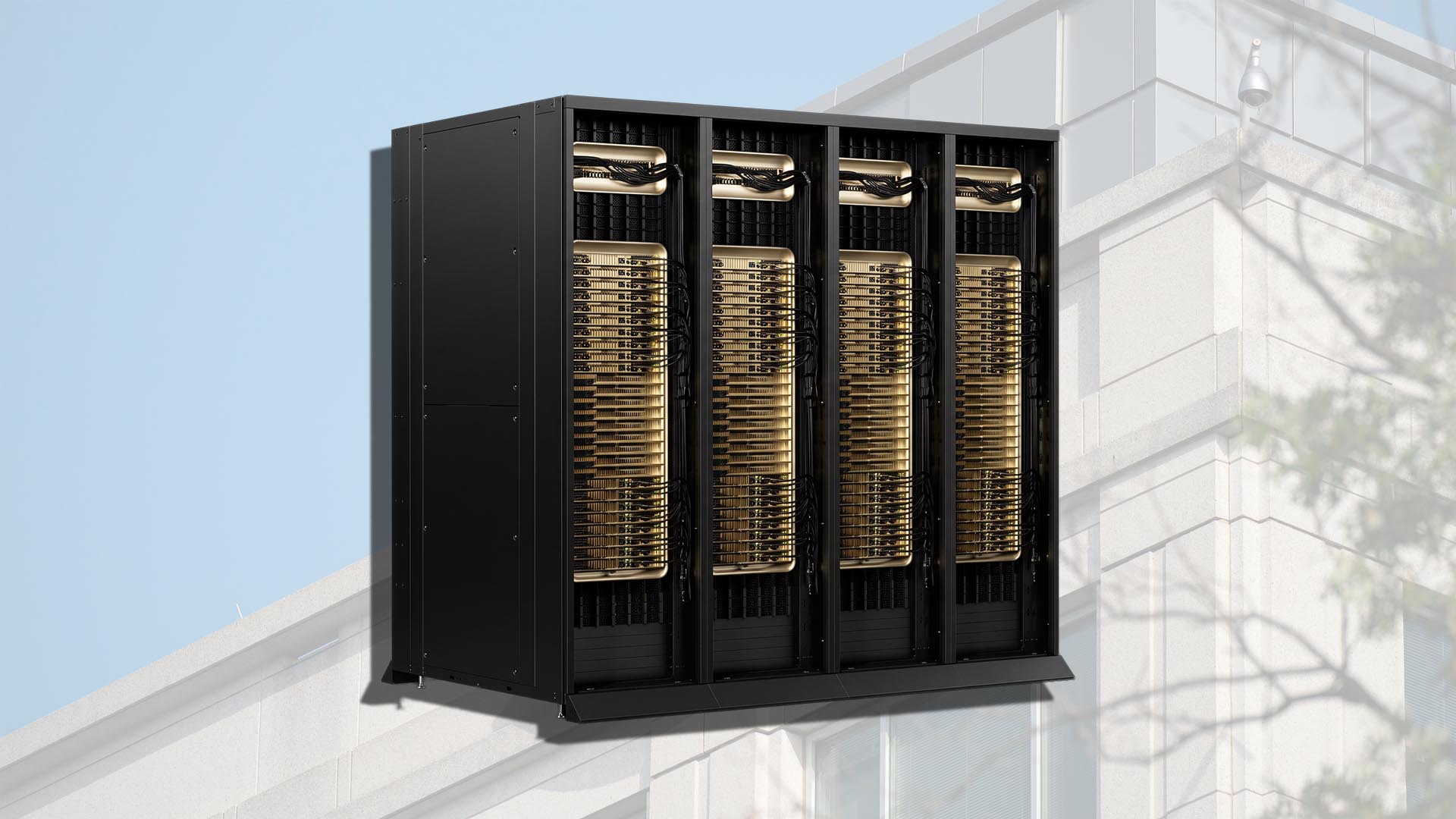
The news reports that Amazon's Q2 2026 free cash flow fell to negative $7.6 billion, driven by a $66.1 billion year-over-year rise in net property and equipment purchases, according to a Business Insider report cited by Wccftech. The report adds that Amazon received about $5 billion of NVIDIA GB300 rack deliveries in August, with roughly $3 billion per month afterward, and that some AWS data centers lack the power to run the hardware, so equipment is staged in warehouses. Reported 2026 capital spending is $200 billion or more. Although this is a cloud infrastructure story rather than a marketplace one, it matters to sellers because Amazon's capital allocation shapes the tools, fees and platform investments sellers rely on.
Amazon's heavy AI spending is unlikely to hit FBA fees directly in the short term, but it raises the odds of fee and logistics reallocation later. Industry data shows that marketplace fee schedules are typically set annually, and that fulfillment networks are funded from the same consolidated capital pool as AWS. The news reports that AWS revenue grew 37% in Q2, which means the core growth engine is healthy while the retail segment carries less capital support. Sellers in apparel and home goods, which depend on FBA inbound capacity, should watch for storage limit tightening or inbound placement fee changes.
The operational signal for sellers is that Amazon is prioritizing AI compute over physical capacity expansion. Because some data centers lack power, equipment is staged in warehouses, a sign that infrastructure timing is constrained. Similar capex cycles historically lead to stricter inventory limits and higher peak-season surcharges, typically in Q4. Meanwhile, the AWS CFO and infrastructure chief expect negative free cash flow for a couple more years, so sellers should assume that the cost discipline seen in recent Seller Central updates may persist. Sellers using Amazon Ads and Brand Analytics should expect continued AI-driven tooling, since the company's AI investment is focused there.
Immediate Actions (0-30 days): Review FBA inventory levels and storage utilization in Seller Central's Inventory Performance dashboard, and check your Inventory Performance Index (IPI) score before the Q4 inbound window. Set up a BSR and Buy Box alert workflow using tools like Helium 10 or Keepa so any fee or placement change is detected within 24 hours.
Strategic Adjustments (1-6 months): Consider shifting 20-30% of slow-moving SKUs to a 3PL with flexible storage to hedge against capacity-driven fee changes. Build a cost-benefit model comparing FBA fulfillment against Walmart Marketplace or Shopify-based direct fulfillment for the top 20 SKUs.
Risk Mitigation: Monitor Amazon's Q3 2026 earnings and fee notices for changes to storage or inbound fees, and avoid overcommitting to long-term FBA storage in peak periods. Budget a 5-10% contingency on logistics costs for Q4 2026.
Questions 6
How does Amazon's negative free cash flow affect FBA fees for sellers?
The news reports Amazon's Q2 2026 free cash flow fell to negative $7.6 billion, driven by a $66.1 billion year-over-year rise in property and equipment purchases. Industry data shows fee schedules are typically set annually, so direct FBA fee changes are unlikely within 30 days. Sellers should monitor Seller Central fee notices and storage limit updates ahead of Q4 peak inbound.
Why is Amazon staging NVIDIA GB300 equipment in warehouses?
The news reports that some AWS data centers lack the power to run the hardware, so about $5 billion of GB300 racks received in August were staged in warehouses, with roughly $3 billion per month afterward. This shows infrastructure timing is constrained by power, not just capital. For sellers, it signals that Amazon's physical capacity expansion may lag its AI spending.