



AI Debt Financing Stress | CoreWeave Credit Signal for Sellers
- CDS on CoreWeave debt nearly tripled; ad-tech and cloud-dependent sellers should review cash buffers and ad-spend exposure





























Overview
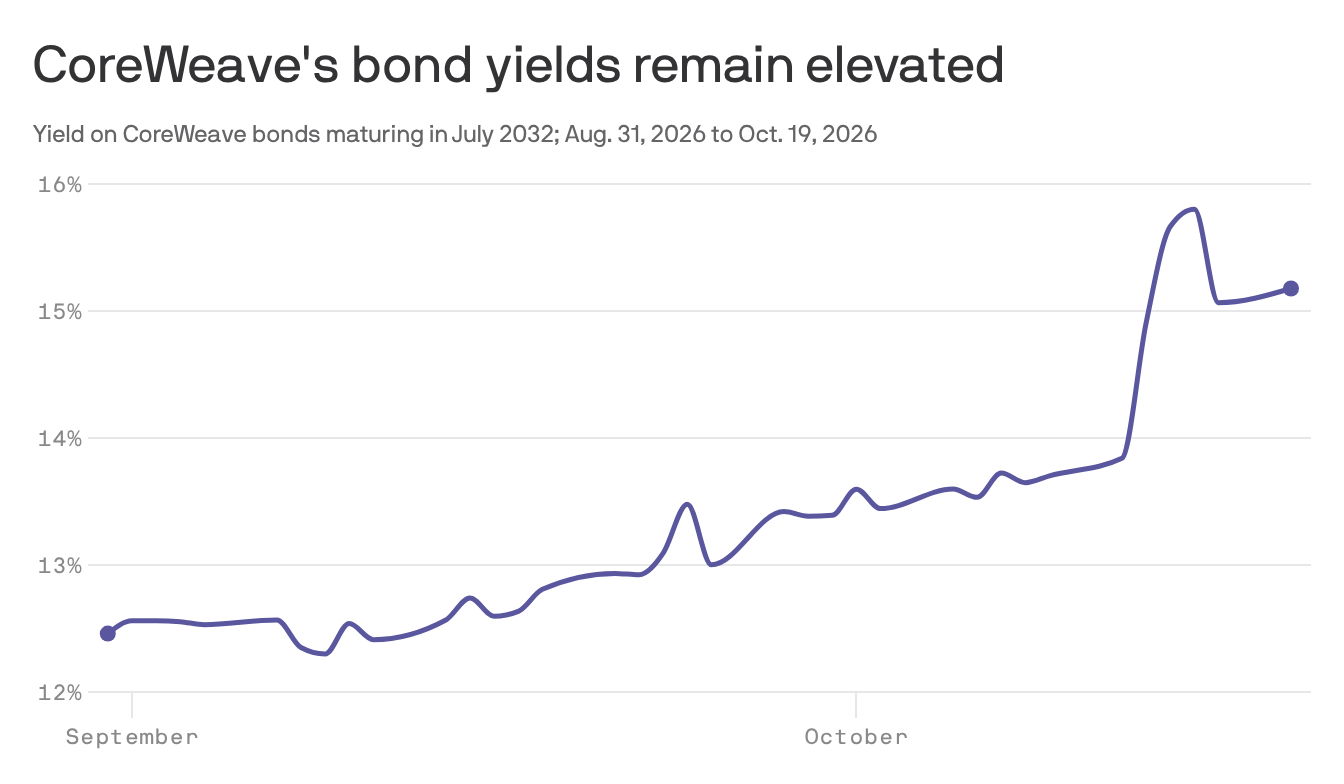
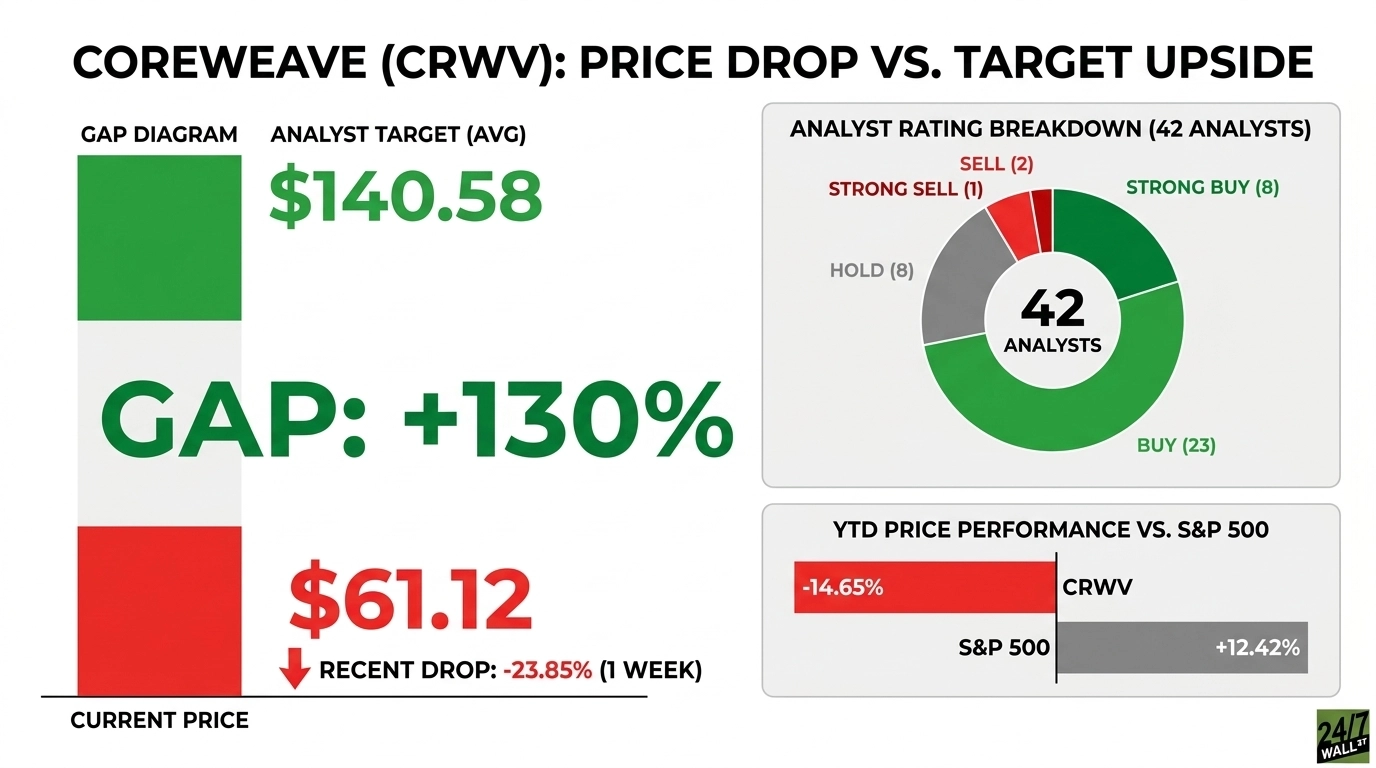
The news reports that the cost of insuring CoreWeave's debt has nearly tripled, while CoreWeave and Nebius fell more than 25% in one week amid AI financing fears. The source is a finance page with limited body text, so exact debt-insurance figures and company disclosures could not be verified. This is primarily a capital-markets story, but it matters to cross-border sellers through the AI infrastructure supply chain. Industry data shows that a growing share of seller tooling, from AI listing generators and image tools to recommendation engines and ad bidding systems, runs on GPU cloud capacity from neo-cloud providers like CoreWeave. When lenders demand higher protection premiums, these providers face higher borrowing costs, which can flow through as price increases, tighter capacity, or slower product roadmaps. For sellers, the financial read-through is about counterparty risk in software and service contracts rather than immediate fee changes on Amazon Seller Central, Shopify, or Temu.
The operational impact is most visible in the cash conversion cycle. Sellers that prepay annual SaaS contracts for AI tools, or hold committed-spend cloud credits, should treat these as contingent liabilities. Specifically for sellers, a vendor that loses financing may cut service tiers or delay features within one to three quarters, which typically translates into a 5-15% effective cost increase for AI-driven workflows. Sellers paying on monthly terms through a card or PayPal can keep the exposure small by avoiding multi-year prepayments.
From a treasury standpoint, this episode also reinforces FX and liquidity discipline. Risk-off moves in US tech equities often coincide with USD strength against CNY, EUR, and GBP, which affects sellers settling Amazon disbursements or Shopify Payments balances across currencies. Sellers holding USD-denominated receivables in a China-based or HK entity can consider forward contracts for 1-3 month exposures, typically costing 0.2-0.5% per quarter in carry depending on the pair. Working-capital lines such as Amazon Lending or Shopify Capital are generally priced off the platform's own sales data rather than AI equity sentiment, so near-term access is unlikely to change, though lenders may tighten underwriting if ad spend volatility rises.
Comparable episodes, such as the 2022 tech-equity drawdown, show that platform-level fee changes lag capital-market stress by 6-12 months, so the immediate risk is to vendor pricing rather than marketplace economics.
Questions 6
How could AI infrastructure financing stress affect cross-border FX exposure?
Risk-off moves in US tech stocks often coincide with USD strength against CNY, EUR, and GBP. Sellers with USD receivables from Amazon or Shopify Payments in a China or Hong Kong entity may see translation swings. Forward contracts for 1-3 month exposures typically cost around 0.2-0.5% per quarter in carry, depending on the currency pair.
Should sellers change payment or financing products after the CoreWeave debt news?
No immediate change is required, since Amazon Lending and Shopify Capital are priced on marketplace sales data rather than AI equity sentiment. Sellers should, however, avoid multi-year prepaid contracts with AI tool vendors until the vendor's financing position is clearer. Keeping software on monthly billing through a card or PayPal limits exposure within the next 30 days.