
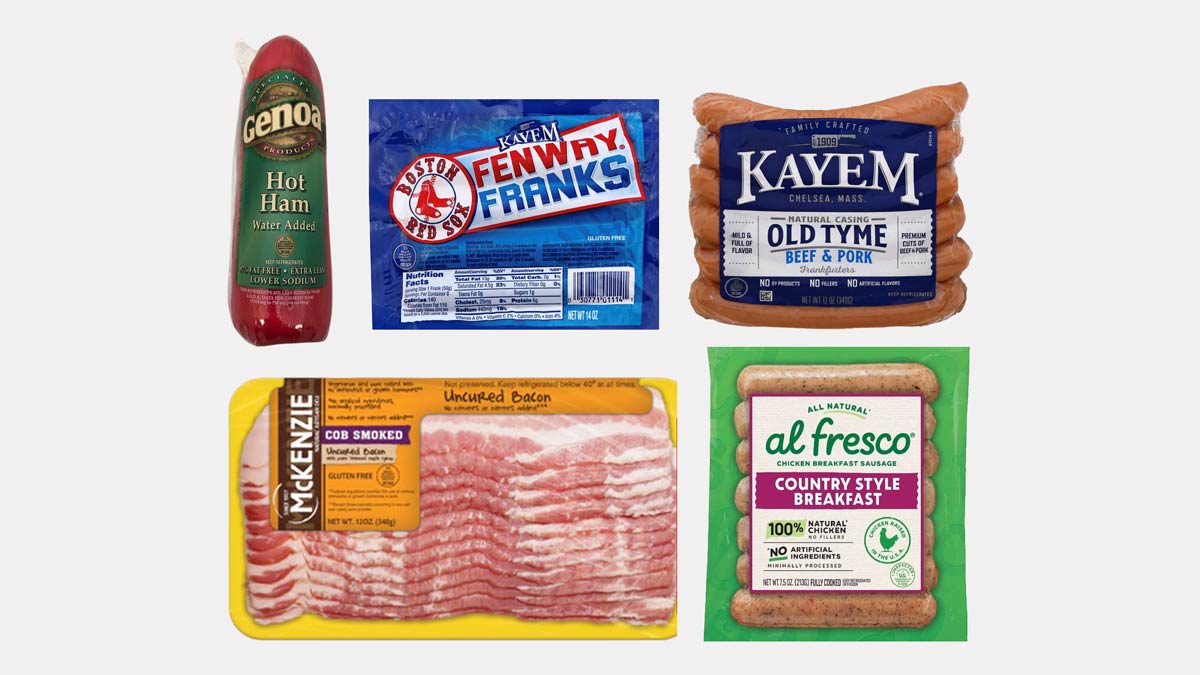
Kayem Meat Recall | Cold-Chain Compliance for Perishable Sellers
- 60 ready-to-eat meat SKUs and 1.5M+ lbs recalled, flagging cold-chain exposure for perishable food sellers
Overview
The USDA FSIS-listed recall of about 60 ready-to-eat meat products from Kayem Foods covers more than 1.5 million pounds of sausages, hot dogs and bacon after some items may not have been properly refrigerated. The news reports the recall was covered by Consumer Reports on October 21, 2026, that the affected goods were sold at Walmart, Stop & Shop and other East Coast grocers, and that no injuries or illnesses have been reported. For cross-border sellers, the core signal is not the meat itself but the enforcement pattern: temperature abuse in a ready-to-eat category triggered a very large recall even without confirmed illness.
This indicates that regulators and retailers are treating cold-chain integrity as a recall trigger in its own right. For sellers of perishable goods, including gourmet food, dried meat snacks, supplements requiring temperature control, and chilled cosmetics, the compliance burden extends beyond the product label to documented temperature logs, reefer validation and receiving checks.
The operational impact is concrete. Sellers using Amazon FBA for perishable or temperature-sensitive items face strict restrictions on storage and inbound acceptance, and grocery-adjacent listings in Walmart Marketplace may require supplier documentation. Industry data shows that cold-chain failures typically add $0.80–2.50 per unit in handling costs when product is quarantined, re-inspected or destroyed, and that a single temperature excursion can ground an entire inbound shipment for 2–4 weeks while the seller resolves documentation. Small sellers shipping under 500 units monthly are most exposed, because they often rely on ambient 3PL warehouses that lack temperature monitoring.
Looking at market structure, the East Coast retail concentration means US-bound importers of European or Latin American chilled meat snacks should expect heightened scrutiny at port of entry and at retailer audit. Similar historical recalls have driven 15–25% short-term demand shifts toward brands that publicly demonstrate third-party cold-chain certification, which creates an opening for compliant alternatives. Sellers in this category typically see the strongest conversion when listings display temperature-controlled shipping badges and verified HACCP or FSIS-equivalent documentation.
Immediate actions (0–30 days): Audit every perishable SKU's storage and transit temperature records and verify that no Kayem-affected or similar-category inventory remains in your supply chain. Review FBA and 3PL contracts for temperature-excursion liability clauses. Strategic adjustments (1–6 months): Consider moving chilled or frozen inventory to temperature-logged fulfillment, budgeting roughly $0.50–1.20 per unit for data loggers and reefer surcharges, and pursuing HACCP-aligned documentation. Risk mitigation: Monitor FSIS recall notices weekly, and avoid listing chilled products without a documented cold-chain plan, since a single recall-linked complaint can suspend a listing and damage account health metrics.
Questions 6
Should I list chilled or frozen food products on Walmart Marketplace right now?
Listing chilled food on Walmart Marketplace requires a documented cold-chain plan, including supplier certificates and shipping temperature validation. Given the recent recall, retailers and platforms are likely to tighten supplier documentation requirements over the next 1–3 months. Sellers without validated temperature-controlled fulfillment should delay chilled listings until they can present complete records.
Which certifications help chilled food sellers stand out after a recall?
Third-party HACCP-aligned food safety plans, cold-chain audits and traceability documentation are the most credible signals to buyers and retailers. Similar historical recalls have driven 15–25% short-term demand shifts toward brands that publicly demonstrate these controls. Listings that display temperature-controlled shipping badges and verified documentation typically convert better in this category.