
Typhoon Champi Logistics Risk | Korea Japan Seller Alert Oct 2026
- Typhoon Champi may disrupt Busan, Jeju and Kyushu shipments from Oct 26, affecting cross-border sellers using Korean and Japanese fulfillment routes
Overview
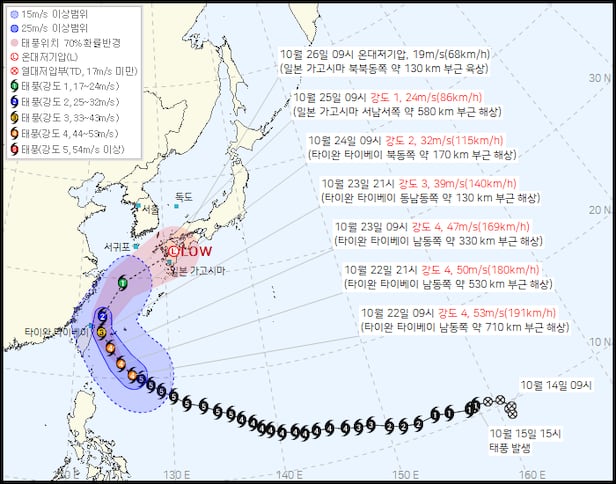
The Korea Meteorological Administration (KMA) reported on October 22, 2026 that Typhoon Champi, the 30th typhoon of the year, has shifted course toward Japan rather than Taiwan and mainland China, with direct impact on the Korean Peninsula considered extremely unlikely. The storm is forecast to reach the western side of Kyushu around October 26 before weakening and making landfall on mainland Japan. The main seller risk is indirect: the affected zone includes the Korea Strait, Jeju Island and Busan, where heavy rain and strong winds could disrupt port and last-mile operations. Sellers should treat this as a logistics alert rather than a demand event.
The operational exposure is concentrated in port-dependent and fulfillment-dependent flows. Sellers using Busan-based consolidation, Jeju cross-island routes, or Kyushu-based warehouses should expect possible carrier cutoff changes, vessel delays and delivery slippage of 1-3 days during the storm window. For Amazon sellers using Japan-based FBA inventory, the key risk is inbound replenishment delay rather than outbound order volume. Weather-driven delays can also push ASINs toward stockout, which may cost Buy Box share and reduce BSR momentum for several weeks. Sellers in apparel, home goods and fragile electronics should be most sensitive, because longer dwell time increases damage and handling risk.
This is also the first October typhoon to affect the peninsula since 2014 by KMA data, and earlier October events occurred in 2013, 1998, 1994 and 1951. Historically, such storms have produced short but sharp disruption rather than prolonged demand shocks. Industry data suggests that weather-linked delays often cause 5-10% order cancellation or refund spikes in the affected week when delivery promises are missed, particularly for gift-season products. Late October also precedes peak Q4 shopping, so inventory buffers matter more now than at any other point in the quarter.
Looking at platform behavior, marketplaces typically respond to weather events with delayed-shipment flags and temporary handling-time extensions rather than account penalties, but sellers who fail to update status may still face late-dispatch metrics. Specifically for sellers, the operational impact is a three-part exposure: inbound delay, last-mile slippage and customer-service volume. The news reports that the forecast may change, so sellers should not lock decisions to the current track.
Immediate actions (0-7 days): Monitor KMA and Japan Meteorological Agency advisories daily from October 22 through October 27. Buffer Busan and Kyushu-bound inventory by 5-7 days of cover for top-selling SKUs. Update handling-time settings in Seller Central or Shopify shipping profiles if carriers announce suspensions.
Strategic adjustments (1-3 months): Build a secondary routing option for Jeju and Kyushu, such as an alternate port or 3PL in Osaka or Seoul, and compare the added cost, which may run 3-8% per unit, against the cost of lost sales. Pre-plan Q4 inventory positions before the November peak.
Risk mitigation: Avoid promising standard delivery dates for affected regions during the storm window, and proactively message customers about possible delays to limit A-to-z or chargeback claims.
Questions 6
Is this typhoon likely to change consumer demand in Korea or Japan?
The news reports logistics risk rather than a demand shock. Historically, such storms cause short disruption and a temporary rise in delivery-related refunds, not sustained demand loss. The bigger commercial risk is late-October inventory timing ahead of the November peak season.
What is the cost impact of rerouting shipments away from Busan or Kyushu?
Rerouting through an alternate port or 3PL can add roughly 3-8% per unit in logistics cost, depending on lane and volume. For low-margin items, that premium may outweigh the value of avoiding a short delay. Sellers should compare the added freight cost against likely lost sales and refund exposure before switching routes.