
Airbnb Host Rules Update | Cleaning Costs Shift Before 20 Nov
- Hosts lose guest-performed chores as a cost offset; multi-property operators face higher labour and pricing pressure from 20 November
Overview
Airbnb has updated its global community policy, effective 20 November, barring hosts from requiring guests to perform tasks involving significant effort or time, or tasks typically done by cleaners. The change covers global-policy reservations, including bookings in Australia, and follows Airbnb's April 2025 move to stop showing cleaning fees separately. Sellers in short-term rental and hospitality-adjacent categories should treat this as a direct pricing and operations change, not a cosmetic policy tweak.
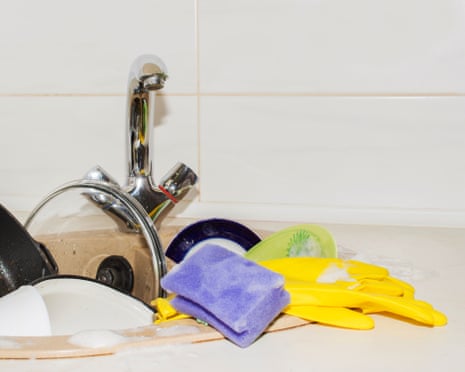
The first impact is on cost structure. Hosts who relied on guest-performed chores such as stripping bed linen, taking rubbish offsite, or washing dishes must now absorb those costs into nightly rates, which can compress price competitiveness against listings that already bundle cleaning. Because cleaning fees can reach hundreds of dollars and were a recurring guest complaint, the total stay price may look higher at checkout even though the fee line disappears. Hosts should expect conversion rate pressure on price-sensitive search results and should test rate adjustments rather than assume guests will absorb the change.
The second impact is operational. The news reports that hosts can now set seven standard house rules, shown in full at booking, covering check-in and check-out times, occupancy limits, smoking, quiet hours and pet policies. Additional requests must be reasonable and tied to local conditions, such as shower limits during water restrictions. Operators managing multiple properties face higher labour costs, as cleaning and linen turnaround move to paid staff or third-party services. Industry data shows professional turnover cleaning often runs in the range of tens of dollars per visit per property, so portfolios of 10 or more units can see material monthly cost increases. Hosts already compliant with the new rules face limited change.
For the broader e-commerce ecosystem, this pattern is relevant to sellers of cleaning supplies, linen, storage, and small home appliances. Demand for professional-grade linen sets, disposable tableware, and compact dishwashing tools may rise as hosts standardise turnaround. Sellers of guest-facing products such as smart locks, check-in kits, and rubbish containers can position for the house-rule compliance window. The news reports that enforcement details and regional variations have not been disclosed, so sellers should monitor Airbnb's policy page before 20 November rather than assume uniform rollout.
Questions 6
Does the Airbnb policy change apply to bookings in Australia?
Yes, the news reports that the change applies to reservations covered by the global policy, including bookings in Australia. Enforcement details and regional variations beyond the stated scope have not been disclosed. Australian hosts and property managers should verify which of their reservations fall under the global policy and check Airbnb's help centre for updates.
Should multi-property operators budget for higher cleaning costs on Airbnb?
Yes, operators with multiple properties face higher labour costs because turnover tasks shift from guests to paid staff or cleaning providers. Industry data shows professional turnover cleaning often costs tens of dollars per visit per property, so a portfolio of 10 or more units can see meaningful monthly increases. Build cleaning cost into the financial model now and negotiate volume rates with cleaning companies before peak season.