

PHP Zero-Day Alert | Seller Server Patch Guide 2026
- Millions of exploit attempts target PHP-based storefronts, WordPress and WooCommerce shops must patch and rotate credentials now
Overview
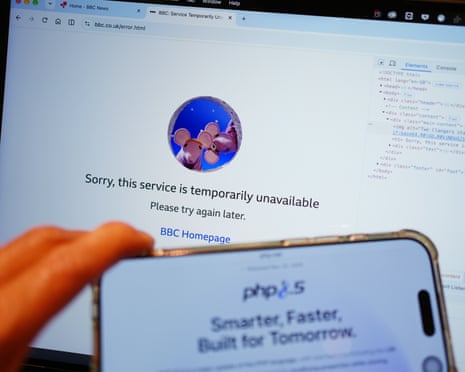
Critical PHP flaws, dubbed PHP2Shell, triggered millions of exploit attempts within days of disclosure, putting PHP-based storefronts on WordPress, WooCommerce and Shopify-adjacent custom stacks at immediate risk. The news reports that the flaws emerged on 21 October 2026, that Cloudflare recorded tens of thousands of attempts within 45 minutes and millions by 22 October, and that PHP underpins roughly 70% of websites. For e-commerce operators, this is a server-security event, not a platform policy change, and the response window is measured in hours.
The exposure is concentrated in self-hosted and shared-hosting storefronts, not in marketplace accounts. Sellers operating on Amazon Seller Central, eBay or Temu face no direct change to their listings, but the flaw matters wherever a seller runs a PHP-powered site, a WooCommerce store, or a custom checkout. Alan Woodward estimated around 30 million websites could be affected, while Wiz's roughly 70% internet-exposure figure remains unverified. Amazon reported detecting exploitation attempts but kept its sites running, while Wikipedia and several Dutch, Danish and Finnish government services went offline as a precaution. Sellers should treat that as a signal: take the store down if patching is delayed.
Compliance-wise, the risk turns into a data-protection obligation. If attackers reach the server, they can take customer records and payment-related data. Industry data shows that a breach of cardholder or personal data can trigger PCI DSS review, GDPR notification duties within 72 hours for EU-facing shops, and state breach-notification rules in the US. Sellers serving EU customers should document the patch date, the scope assessment and any access-log review, because that record becomes the evidence regulators ask for. Penalties under GDPR can reach 4% of global annual turnover, so a documented, fast response is the cheapest form of protection.
Looking at the patch timeline, the operational gap is hosting providers. The original patch date was late October, but disclosure was accelerated, so many shared hosts lag. Sellers should confirm in writing that their host runs the patched PHP branch, rotate database, API and payment-gateway keys, and review logs for web shells or unexpected cron jobs. Expect a 1-3 week tail of compromised small stores, which typically drives demand for managed WordPress hosting, WAF subscriptions and security audits, a service gap that compliant hosts can capture.
Recommendations. Immediate (0-30 days): verify PHP version today, apply the patch within 24-48 hours, rotate credentials, and scan for web shells. Strategic (1-6 months): move high-value checkout to a hosted payment page so card data never touches your server, and budget $50-300 per month for managed hosting with WAF. Risk mitigation: monitor your host's security bulletins, keep a dated patch log for GDPR and PCI evidence, and avoid running unpatched storefronts for any period, since a day offline costs less than a breach.
Questions 6
Does the PHP2Shell flaw affect Amazon or eBay seller accounts directly?
No. The news reports that the flaw affects PHP-based servers, not marketplace accounts on Amazon Seller Central, eBay or Temu. Amazon detected exploitation attempts but kept its sites running. The exposure sits with sellers who run their own PHP storefronts, such as WordPress with WooCommerce or custom checkouts. Those sellers should patch the server immediately, because a compromised server can expose customer and payment-related data.
Should I move checkout to a hosted payment page after PHP2Shell?
This is a strong risk-reduction option. When checkout uses a hosted payment page from your payment provider, card data never touches your PHP server, which shrinks PCI DSS scope and limits damage if the server is compromised. Sellers can implement this in 1-3 weeks with most major gateways, though customisation and testing time vary by platform.