
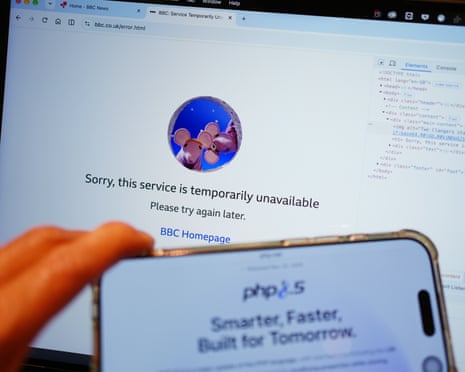
PHP2Shell Exploit Wave | Critical Patch Alert for E-Commerce Sellers
- Millions of exploit attempts threaten PHP-based storefronts, where PHP underpins about 70% of websites and customer payment data is at risk
Overview
PHP2Shell, a newly disclosed PHP vulnerability, triggered millions of exploit attempts within days of its 21 October 2026 announcement, according to Cloudflare, Wiz, and Amazon Threat Intelligence. Because PHP underpins about 70% of websites, any Shopify-alternative, WooCommerce, or self-hosted Magento store running an unpatched PHP build faces immediate exposure. Cloudflare CEO Matthew Prince reported tens of thousands of attempts within 45 minutes, rising to millions by Thursday 22 October.
The core risk is server takeover rather than downtime alone. The US National Security Agency warned attackers could seize web servers, steal sensitive data, and move deeper into networks. For online sellers, that means customer records, payment-adjacent data, and admin credentials are exposed. Wiz called the flaw arguably among the most severe software vulnerabilities ever discovered, and noted that the underlying flaws had existed for decades. Frontier AI models substantially lowered the barrier to building a working exploit, which is a structural shift: AI-assisted exploit development will compress the time between disclosure and mass attack for every future vulnerability.
Hosting exposure is the operational bottleneck. Sellers on managed platforms such as Shopify, Amazon Seller Central, and eBay are largely insulated because the platform patches its own infrastructure. Self-hosted WordPress/WooCommerce and PHP-based storefronts depend on the hosting provider's patch cadence. The news notes that schools, local governments, and charities, which often lack security staff, face the highest exposure. Small independent sellers running budget shared hosting fall into the same high-risk group. Industry data suggests that smaller merchants typically patch 2-6 weeks after a critical disclosure, which is the window attackers exploit.
Automation can close this gap quickly. AI-assisted vulnerability scanners and asset inventory tools can map every PHP version across storefronts in hours. Log anomaly detection tuned to PHP2Shell indicators can flag suspicious requests without manual review. Specifically for sellers, a monitoring stack costing roughly $50-200 per month can replace days of manual checking. The Guardian reports that exploitation had not yet appeared widespread at the time, and Prof Alan Woodward criticized the disclosure timing, which left only about one day between disclosure and patch. Future impact depends on patch adoption rates, which remain uncertain.
Immediate Actions (0-30 days): Confirm with your hosting provider, by 25 October 2026, that the patched PHP version is live. Rotate admin passwords, API keys, and database credentials. Audit server logs for unusual requests and outbound connections, since crypto-mining payloads are a common follow-on. Strategic Adjustments (1-3 months): Evaluate migrating from self-hosted PHP stores to managed platforms where patching is outsourced, which typically costs $30-100 more per month but removes server-level risk. Risk Mitigation: Monitor vendor security advisories weekly and set PHP auto-update policies where supported.
Questions 6
What is the PHP2Shell vulnerability and why does it matter for online sellers?
PHP2Shell is a recently disclosed flaw in PHP, the server-side language behind about 70% of websites, announced 21 October 2026. The news reports millions of exploit attempts by 22 October, and the NSA warned attackers could seize web servers and steal sensitive data. Online stores running self-hosted PHP platforms such as WooCommerce or Magento face direct server-takeover risk.
Is it worth moving from self-hosted PHP to a managed e-commerce platform?
For many small sellers, a managed platform often costs $30-100 more per month but outsources server patching and reduces breach exposure. The trade-off depends on store volume and customization needs. Sellers handling significant customer payment-adjacent data should weigh this cost against potential breach remediation expenses and lost trust.