
Airline Fuel Surge Hits Travel Spend | Seller Impact Analysis
- Jet fuel above $4/gallon through 1H 2027 could lift travel-linked logistics and consumer costs for cross-border sellers
Overview
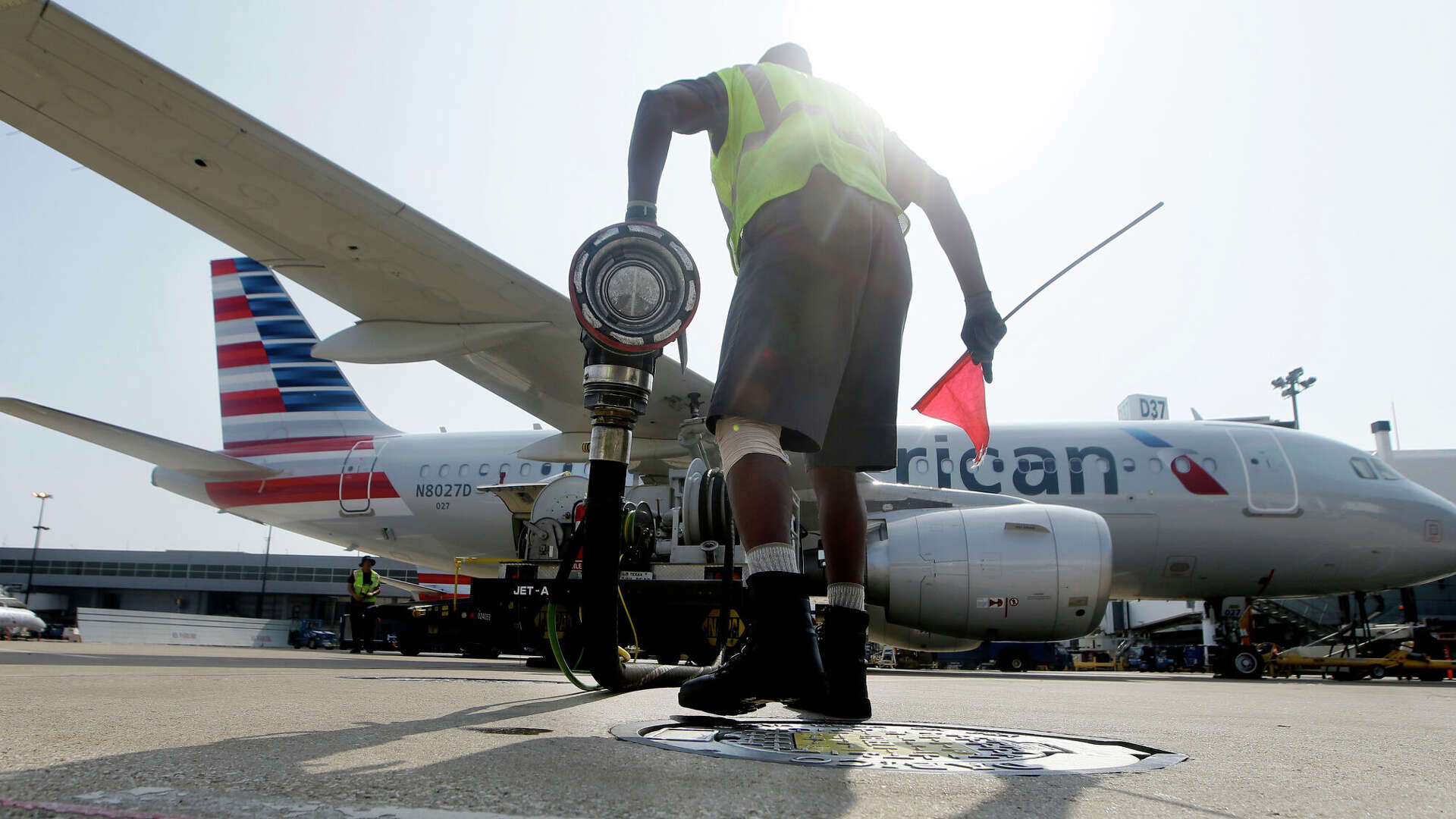
The news reports that American Airlines posted record third-quarter revenue of $16.3 billion, up 19.3% year-over-year, yet recorded an adjusted net loss of $182 million because fuel expenses rose $1.9 billion, or 67.5%, tied to the Iran conflict. CFO Devon May said the forward curve implies jet fuel above $4 per gallon for at least the first half of 2027. For cross-border sellers, this is primarily a cost-and-demand signal rather than a direct marketplace policy change, and it should be tracked before 2027 budgets are locked.
The operational read-through is mainly on air freight and parcel costs. Jet fuel is a core input for airfreight capacity, and carriers facing fuel pressure typically add fuel surcharges and trim belly capacity. Sellers shipping time-sensitive SKUs by air consolidation or express air should expect surcharge adjustments to flow through forwarders and 3PL providers within one to two billing cycles. Industry data shows fuel surcharges can move landed freight cost by roughly 3-8% on air lanes when fuel rises sharply, and sellers with thin margins on electronics, beauty, or fashion air-shipped replenishment are most exposed. Amazon FBA inbound shipments sent by air and Shopify brands using express air to US and EU warehouses should review freight quotes now.
Demand-side signals point the other way. American reported premium revenue up 22.9%, main cabin up 19.5%, and AAdvantage enrollments up 27.4%, while United, Delta and Southwest all remained profitable. The news reports that American plans to slow capacity growth in 2027 versus 2026, which may tighten seat supply and push up airfares. Historically, higher airfares shift leisure spend toward domestic trips and experience-based gifts, and can soften discretionary purchases such as luggage, travel accessories, and outdoor gear during peak booking windows. Sellers in travel accessories can see a reallocation of consumer budgets toward in-country and drive-to travel.
Product angles are also visible. American is investing in seatback screens, Starlink Wi-Fi on more than 1,000 mainline aircraft, and new DFW and Charlotte lounges. Connectivity and in-flight entertainment upgrades tend to increase demand for portable chargers, noise-cancelling headphones, travel pillows, and tablet stands, which are established categories on Amazon and TikTok Shop. Premium cabin growth also supports demand for premium travel organizers and compact luggage.
Seller implication: this is a watch-and-hedge situation rather than an emergency. The news has no direct platform rule change, and the fuel outlook extends into 2027, so the window to adjust is measured in quarters.
Questions 6
Should I change my Amazon FBA inbound shipping method because of airline fuel costs?
Not immediately, but you should model the change now. In Amazon Seller Central, inbound air shipments to FBA warehouses are often used for urgent replenishment, and a 3-8% surcharge increase matters most on low-margin SKUs. Review the next two replenishment cycles by January 2027 and move slower-moving inventory to ocean freight where the lead time allows. Keep air only for stock-out-risk items with high margins.
How do rising jet fuel prices affect cross-border sellers shipping by air freight?
Higher jet fuel costs usually flow into air freight through fuel surcharges and reduced belly capacity. The news reports American Airlines saw fuel expenses rise $1.9 billion, or 67.5%, year-over-year, with CFO Devon May saying jet fuel may stay above $4 per gallon through at least the first half of 2027. Industry data suggests fuel surcharges can add roughly 3-8% to air lane landed costs when fuel spikes. Sellers should ask forwarders for surcharge schedules and compare express air against sea or rail before peak season.