





NHL's Strategic Player Trading: A Masterclass in High-Stakes Talent Acquisition
- Minnesota Wild's Blockbuster Move Redefines Team Transformation Strategies
























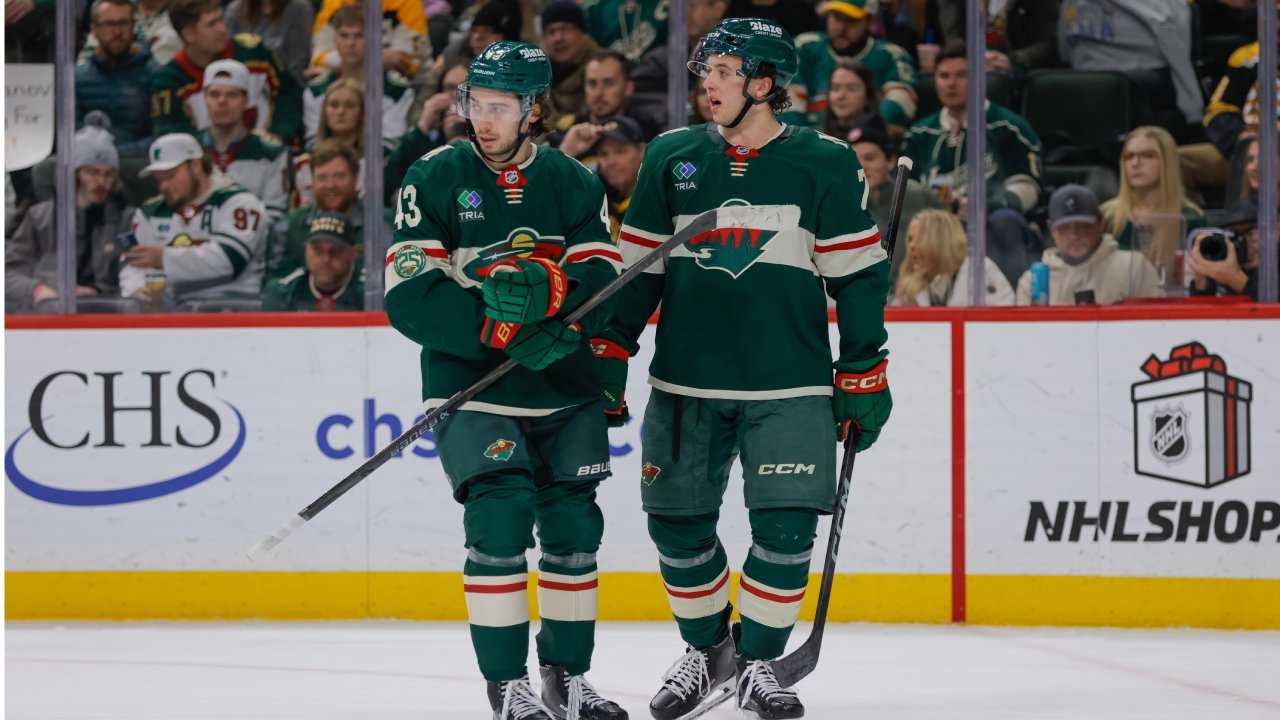






Overview
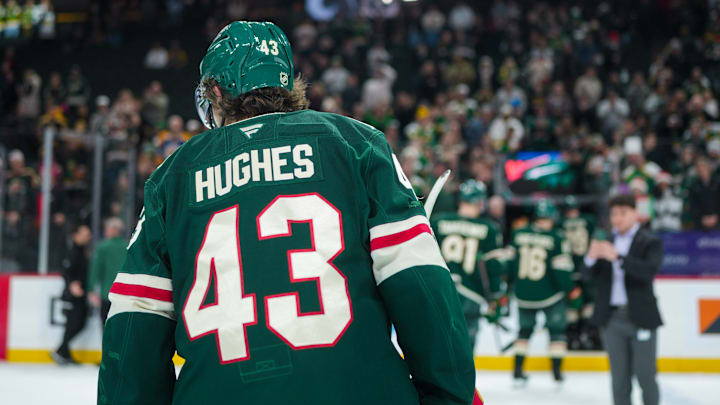
In the high-stakes world of professional sports management, the Minnesota Wild's acquisition of Quinn Hughes represents a paradigm-shifting approach to team building that transcends traditional player trading. This isn't just a player transfer; it's a calculated strategic maneuver that demonstrates how modern sports franchises leverage talent as a transformative asset.
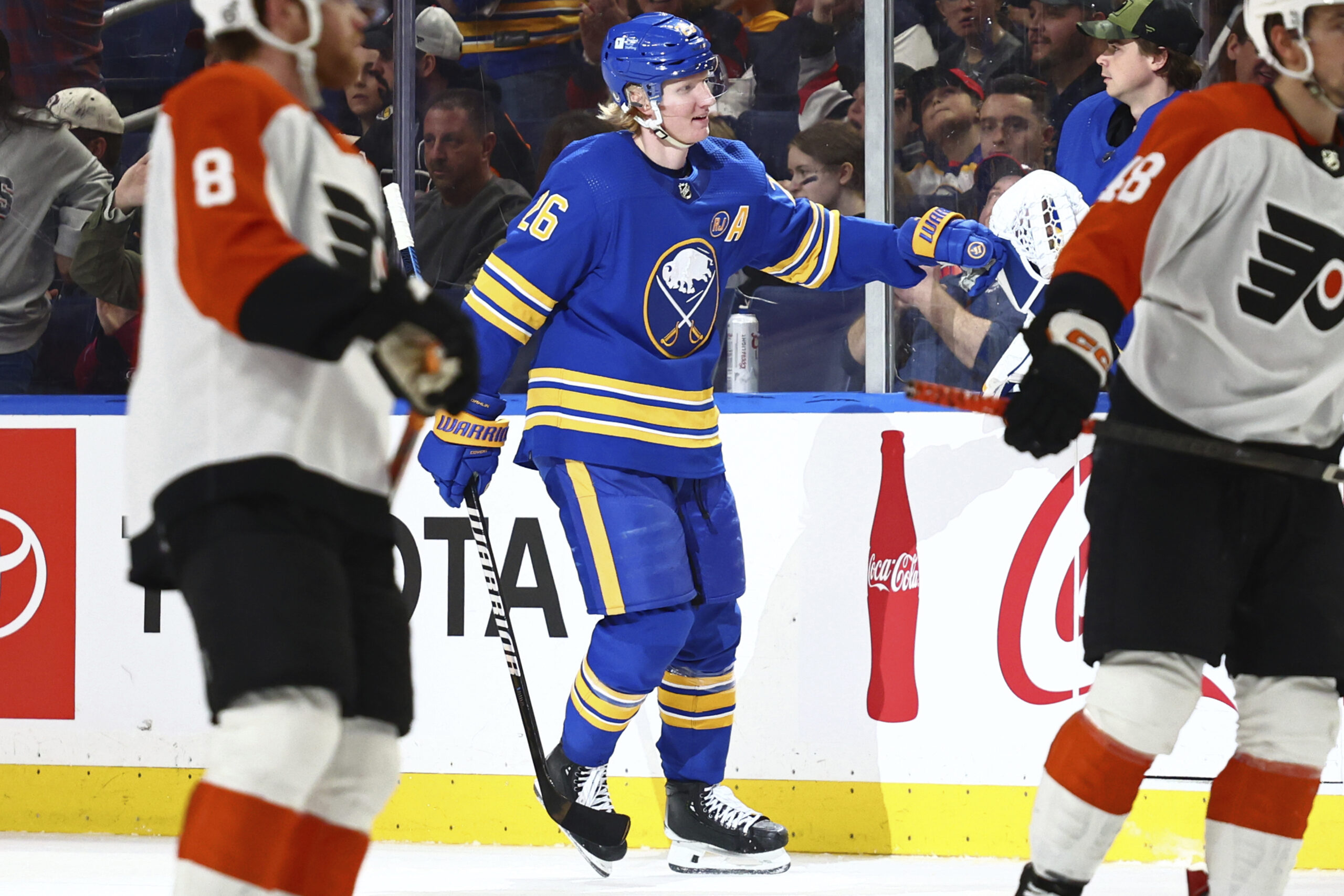
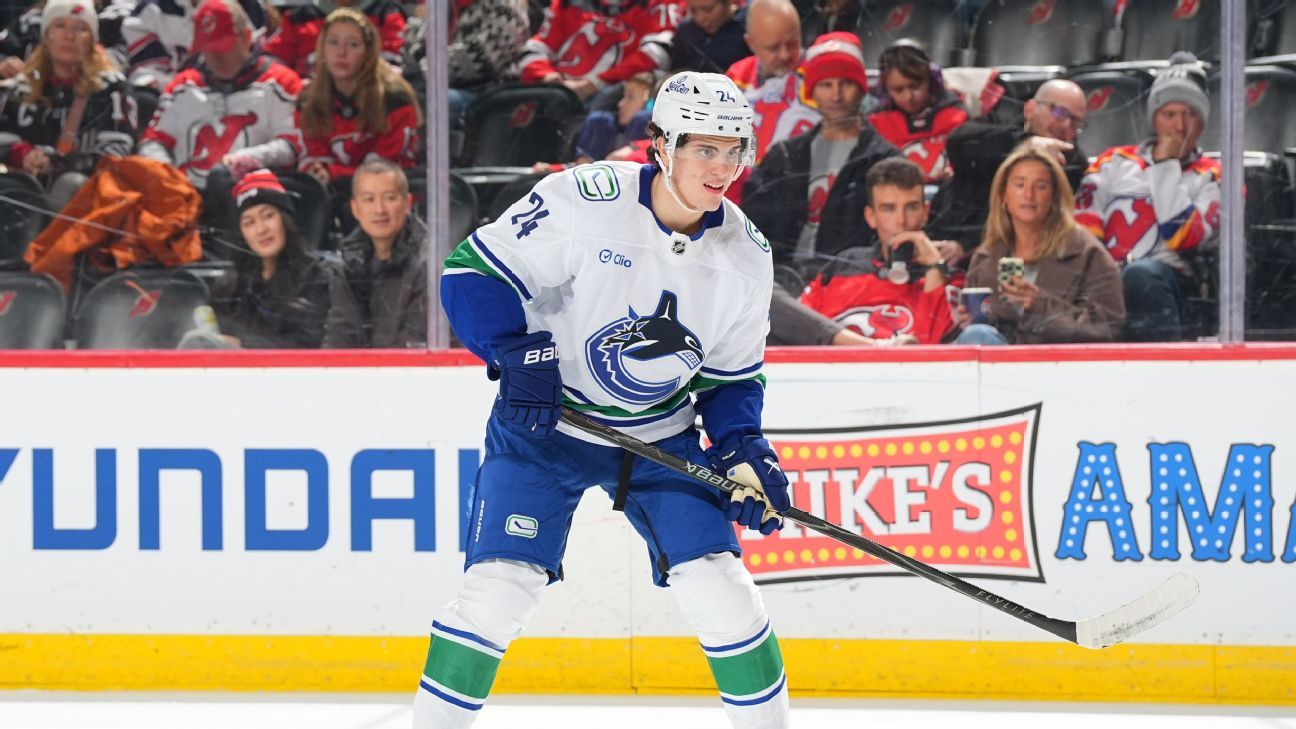
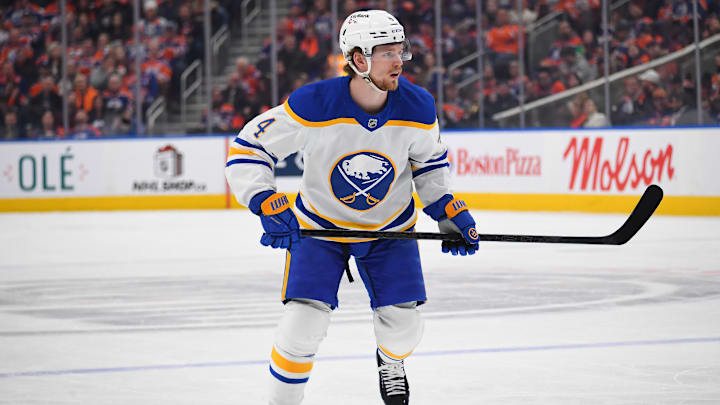
Strategic Asset Acquisition emerges as the core narrative. The Wild's General Manager Bill Guerin executed a blockbuster trade, sending Marco Rossi, Zeev Buium, Liam Ohgren, and a first-round draft pick to the Vancouver Canucks in exchange for Hughes. This move goes beyond simple player replacement—it's a deliberate recalibration of team dynamics. Hughes, a Norris Trophy winner with 23 points in 26 games, immediately validated the trade by scoring a goal in his debut and extending the team's winning streak.
The trade reveals several critical insights into contemporary sports management. First, talent valuation has become increasingly sophisticated. The Wild were willing to pay a premium, indicating Hughes represents more than just a defensive player—he's a strategic investment. His immediate impact (scoring in his debut) underscores the calculated risk of such high-stakes exchanges. The trade also highlights the importance of player compatibility, with Hughes expressing excitement about the team's core and geographic proximity to his home state.
Financially, the trade is equally nuanced. Hughes is in the fifth year of a six-year contract with an average annual value of $7.85 million, positioning him as a long-term asset. His potential to become an unrestricted free agent after the 2026-27 season adds another layer of strategic complexity, suggesting the Wild are not just acquiring a player, but potentially securing a cornerstone of their future franchise.
The broader context of this trade extends beyond the Minnesota Wild's immediate goals. It reflects a larger trend in professional sports where team building is increasingly viewed through a lens of strategic asset management, player potential, and long-term organizational vision. The Wild's move signals a proactive approach to team development, prioritizing transformative talent over incremental improvements.
Questions 3
How does this trade reflect modern sports management strategies?
The trade exemplifies a sophisticated approach to talent acquisition where players are viewed as strategic assets. The Wild demonstrated willingness to invest significant resources (multiple players and a draft pick) for immediate impact and potential long-term franchise development.
What makes the Quinn Hughes trade so significant for the Minnesota Wild?
The trade represents a strategic acquisition of a high-caliber defenseman who immediately demonstrated value by scoring in his debut. Hughes brings not just athletic skill, but potential long-term franchise transformation, with his Norris Trophy credentials and ability to create play opportunities.