
Oil Above $113 Brent | Cross-Border Freight Cost Watch
- Saudi supply attacks could lift fuel and freight surcharges for air and ocean shippers, squeezing margins for small cross-border sellers
Overview
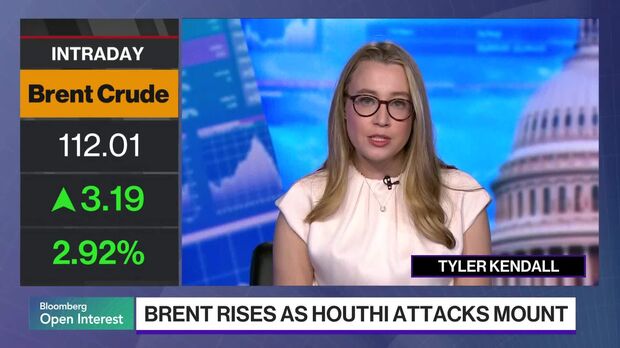
The news reports that on October 22, 2026, oil posted its biggest gain in about a week after attacks on Saudi Arabia raised supply fears, with WTI near $99 a barrel and Brent settling above $113. Iran-backed Houthi militants claimed strikes on the Saudi Red Sea port of Yanbu, including an oil field and an airport. This is a commodities market story, not a platform or policy update, so its direct effect on Amazon, eBay, Temu or Shopify sellers is indirect. The practical channel is cost: energy prices feed carrier fuel surcharges, which flow into landed costs for sellers using air or ocean freight.
Specifically for sellers, the transmission runs through fuel surcharge indices that carriers reset periodically, often monthly or quarterly depending on the contract. Industry practice suggests that sustained crude moves above the $100 level tend to lift air fuel surcharges within one to two billing cycles, while ocean bunker surcharges adjust with a lag. The news does not quantify any surcharge change, so these magnitudes are estimates rather than sourced figures. For a seller shipping 1,000 kg per month by air, even a modest surcharge increase can add several hundred dollars to monthly logistics cost, and the impact is larger for low-margin, high-weight categories such as home goods and consumer electronics accessories.
The operational impact is most visible for sellers who use FBA inbound air or expedited LTL, and for those relying on 3PL consolidation from Asia. Sellers in Middle East-linked trade lanes may also see routing disruption or insurance premium increases, since Red Sea risk affects Asia–Europe and Asia–Middle East shipping. Larger sellers with multi-carrier contracts can negotiate fixed surcharge caps, while small sellers typically have less leverage and face the full pass-through.
Looking at the broader pattern, energy-driven cost shocks have historically been absorbed first by logistics providers, then passed to shippers within a quarter. Sellers should treat this as a cost watch item rather than a demand signal. Consumer demand for fuel-sensitive categories may soften if inflation rises, but the news does not show that effect yet.
Immediate actions: within 30 days, pull current carrier fuel surcharge tables and compare landed cost per unit for air and ocean lanes. Strategic: over one to three months, review whether shifting slower-moving SKUs from air to ocean freight protects margin, and consider negotiating surcharge caps for contracts above 500 kg monthly. Risk: monitor Brent weekly and reprice listings if landed cost rises more than 3-5%, since a sustained move above $110 for several weeks would likely be reflected in carrier notices.
Questions 6
How much could fuel surcharges increase landed costs for air freight sellers?
The news does not quantify any surcharge change, so this is an estimate. Industry practice suggests sustained crude above $100 can lift air fuel surcharges within one to two billing cycles. A seller shipping 1,000 kg monthly by air could see several hundred dollars of added monthly cost, with the impact heavier on low-margin, high-weight SKUs.
Does rising oil price affect cross-border sellers on Amazon or Temu?
Not directly, since platform fees are set by the marketplace rather than by commodity prices. The news reports Brent above $113 and WTI near $99 on October 22, 2026, but it does not describe any change to platform fees. The indirect channel is logistics: carriers reset fuel surcharges, which raise landed cost for sellers using air or ocean freight to fulfill orders.