
Oil Spike Lifts Freight Surcharge Risk | Cross-Border Sellers 2026
- Brent above $113-114 raises fuel and freight surcharge exposure for air and ocean-dependent sellers, especially small shippers on FBA and 3PL inbound routes
Overview
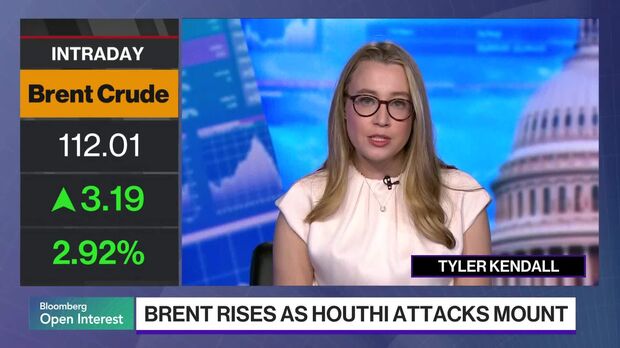
The news reports that Brent crude reached about $114 per barrel on October 23, 2026, with WTI near $100, after Houthi attacks extended to Saudi Aramco facilities and the Persian Gulf. For cross-border sellers, this is an indirect but material cost signal: sustained fuel price increases typically flow into carrier fuel surcharges and freight surcharges within weeks, affecting landed cost on air and ocean lanes. None of the three articles mention Amazon, Shopify, eBay, Temu, or specific shipping rate changes, so no platform policy action is indicated yet.
The price move is large. Brent was near $72 in February 2026 before the conflict, reached $126 by end-April per the broker analysis cited, and then climbed back to $114.72, its highest since May, on Friday. ING has called its earlier $80 Q4 average forecast unattainable. Industry pattern suggests carriers adjust fuel surcharge tables on a monthly or quarterly cycle, so a sustained move above $110 Brent can plausibly lift ocean and air surcharges by a few percentage points within one to two quarters. The articles do not quantify any freight change, so this should be treated as a scenario, not a confirmed rate increase.
Specifically for sellers, the exposure is highest where freight is a large share of unit cost. Low-price, high-volume goods such as home organizers, phone accessories and apparel shipped by air consolidation to Amazon FBA warehouses in the US, EU or Japan are most sensitive. Sellers using 3PL consolidation or sea freight to Europe face a different risk, because Red Sea and Hormuz disruptions can extend transit times and push up war-risk and container surcharges. Sellers that can move 10-20% of volume to sea freight on longer-lead replenishment cycles, or pre-book Q4 inbound slots, reduce exposure.
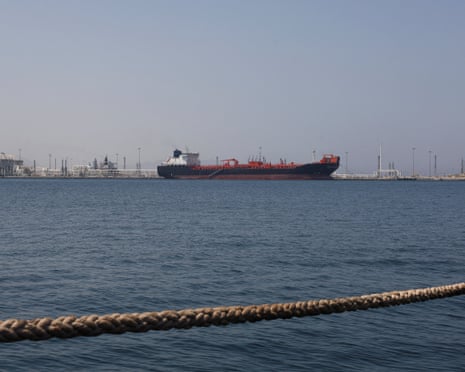
The operational impact is best tracked through carrier surcharge notices, Drewry or Freightos container indices, and air fuel surcharge tables. Monitor Hormuz transit news, since Iran's reported strikes on commercial ships would raise insurance and routing costs independent of fuel prices. Sellers should model landed-cost sensitivity at Brent $100, $115 and $125 before making Q1 2027 pricing decisions.
Questions 6
What should I watch in the next 30 days?
Watch Brent weekly closes relative to $110, carrier fuel surcharge announcements for the next billing cycle, container and air freight indices, and any Strait of Hormuz transit incidents. Industry pattern suggests surcharge changes follow sustained price moves with a one-to-two-month lag, so early signals matter for Q1 2027 pricing.
Does the Houthi and Iran conflict directly change Amazon or Shopify policies?
No. None of the three articles mention Amazon, Shopify, eBay, Temu or any platform fee or policy change. The effect on sellers is indirect, operating through energy prices, carrier surcharges and shipping route risk. Monitor platform seller announcements alongside carrier notices.