
Oil Shock Lifts Freight Costs | Cross-Border Sellers Act Now
- Brent hit $114.72 (five-month high) as Hormuz attacks raise shipping and fuel costs for cross-border sellers
Overview
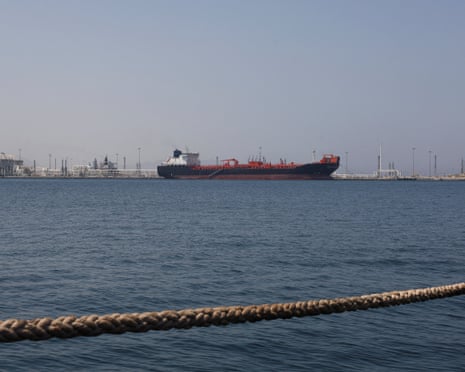
The news reports that Brent crude rose to $114.72 a barrel on Friday, its highest level since May, after fears of renewed US strikes on Iran. Oil traded near $72 in February before the conflict began and reached $126 by the end of April, according to broker analysts cited in the article. The Strait of Hormuz incidents, in which Iran's Revolutionary Guards reportedly struck four commercial ships, add direct risk to Asia-Europe and Middle East shipping lanes. For cross-border sellers, the main channel is fuel and freight cost pressure rather than tariff change. The article is primarily an energy and geopolitical report, but its operational implications for e-commerce logistics are material.
Specifically for sellers, the cost pass-through is the key variable. Industry data shows that ocean freight and bunker surcharges often reflect crude moves with a lag of several weeks, so the current spike may appear in carrier invoices during the next one to two quarters. Sellers shipping bulky categories such as home goods, furniture, and auto parts from China or Southeast Asia to the US and EU via sea freight are most exposed. Small sellers using Amazon FBA inbound consolidation or third-party forwarders have less pricing leverage than large shippers with annual contracts. Air freight, used for fast-moving apparel and beauty replenishment, is also sensitive to jet fuel prices.
The operational impact extends beyond freight. The State Department's order for non-essential diplomats and family members to leave Saudi Arabia signals elevated Gulf-region risk, which affects sellers exporting to or routing through GCC hubs such as Dubai and Jeddah. Shipping insurance premiums and rerouting around the Red Sea and Hormuz corridors can add transit days. Similar supply shocks in past cycles have typically extended lead times by 1-3 weeks, which directly affects Amazon inventory replenishment cycles and stockout risk during peak seasons.
The news reports that the remainder of the article covers US media policy and a publisher fundraising appeal, which has no direct seller relevance.
Immediate Actions (0-30 days): Request fuel surcharge breakdowns from your freight forwarder and compare current quotes against Q1 rates. Review Amazon FBA inbound plans to bring forward replenishment for high-velocity SKUs before further rate increases. Monitor Brent weekly; a sustained move above $120 typically precedes carrier surcharge revisions. Strategic Adjustments (1-6 months): Consider shifting 15-20% of ocean volume to air or to rail via China-Europe corridors for high-margin items, and evaluate Vietnam or India sourcing where lanes avoid Hormuz. Model landed cost sensitivity: a 10% freight increase on a $5 per-unit shipping cost adds roughly $0.50 per unit. Risk Mitigation: Keep 3-4 weeks of additional safety stock for long-lead SKUs, and avoid locking in long-term fixed freight contracts at peak fuel prices.
Questions 6
Should sellers switch from sea freight to air freight because of rising oil prices?
Air freight is also fuel-sensitive, so a full switch is rarely cost-effective for bulky products. For high-margin, time-sensitive items such as apparel or beauty replenishment, shifting 15-20% of volume to air can protect Buy Box availability. Model landed cost first: a 10% freight increase on a $5 per-unit shipping cost adds about $0.50 per unit. Reassess the mix within 1-3 months as oil trends become clearer.
Will Strait of Hormuz disruptions affect Amazon FBA inventory replenishment?
The news reports that Iran's Revolutionary Guards struck four commercial ships in the Strait of Hormuz, raising risk on routes linked to Gulf and Middle East shipping. Similar supply shocks have historically extended lead times by roughly 1-3 weeks, which can compress Amazon FBA replenishment cycles. Sellers should bring forward inbound shipments for high-velocity SKUs within the next 30 days. Monitor Amazon Seller Central inventory alerts for stockout warnings during peak periods.