
QSR Foodservice Shifts | Taco Bell PepsiCo, Bojangles AI Drive-Thru
- Pepsi-Taco Bell renewal runs to 2036, Bojangles AI covers 890+ units, QSR pizza holds 45% of $37B market
Overview
The news reports that Taco Bell and PepsiCo renewed their beverage partnership through 2036, that Bojangles is extending its Hi Auto-built drive-thru AI ordering system across more than 890 units, and that QSR pizza is regaining share from at-home pizza. For sellers, the signal is clear: quick-service channels are consolidating supplier relationships, automating ordering, and capturing spend that had shifted to grocery. Industry data shows the foodservice-adjacent opportunity is growing even as the core restaurant footprint is being reshaped.
The beverage renewal is the most direct commercial signal. PepsiCo will remain Taco Bell's beverage partner in the United States, Canada, Thailand, Ireland, and the United Kingdom, extending a relationship of more than 20 years that produced Mountain Dew Baja Blast, now a billion-dollar brand. The stated focus on Gen Z through crafted, functional, and energy beverages, plus new morning and afternoon occasions, suggests upcoming product launches. This came about a week after sister chain KFC announced a switch to Coca-Cola after 40 years. Specifically for sellers, beverage and energy-drink brands serving QSR channels should expect shifting distributor allocations within the Yum Brands system, and DTC or retail-pack companion SKUs (for example, Baja Blast-flavored grocery products) can ride the brand's awareness. Sellers should track Amazon and TikTok Shop search for Baja Blast and Doritos Locos Tacos to gauge halo demand.
The Bojangles expansion is an operational signal. The Bo-Linda system, built with Hi Auto, has grown from a 2024 test to nearly 500 locations, with more than 100 more expected by mid-2027, processing over 1 million orders per week at a 98% success rate. Yet Burger King and Taco Bell have slowed their own rollouts, and Technomic data shows nearly half of consumers find AI drive-thru unappealing. The operational impact is that POS, kiosk, and digital ordering integrations become a larger vendor category, and hardware and headset suppliers should prepare for multi-unit procurement cycles.
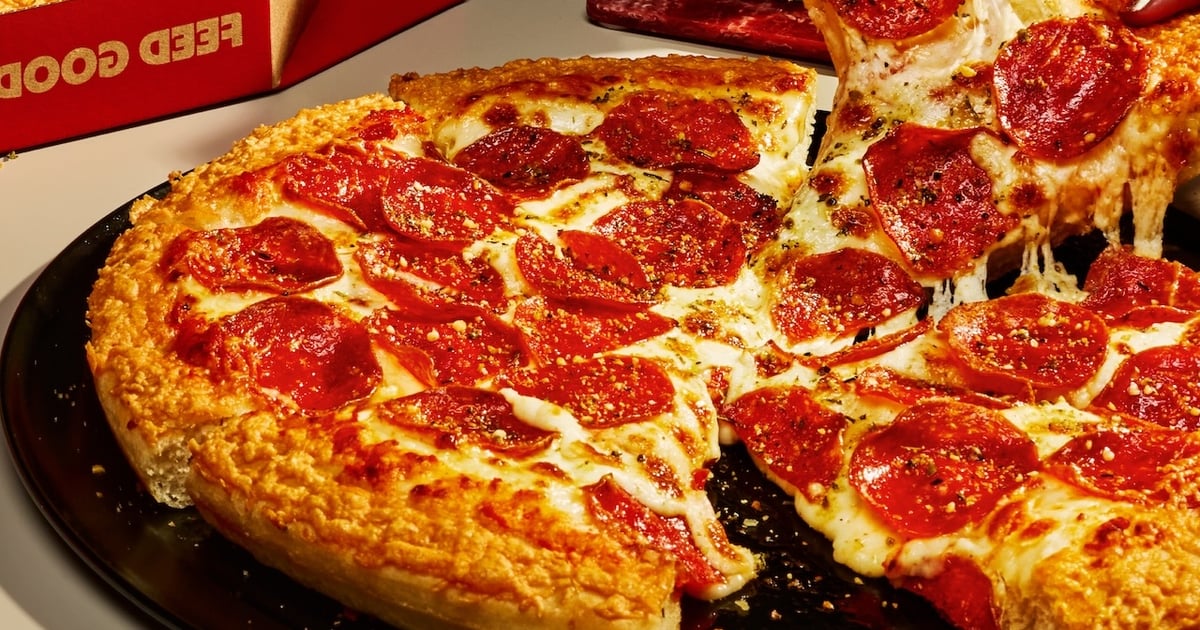
The pizza data points to stable demand. Numerator data shows QSR captures 45% of a roughly $37 billion pizza market, up 3.1 points from 2019, while spend per visit rose 41%. Grocery channels account for $7.4 billion and mass retailers $4.2 billion in at-home sales, about 31% combined. Packaging, portioned ingredient, and delivery-bag sellers can target QSR operators, while frozen and at-home pizza accessory sellers should note the share pressure.
Immediate actions: within 30 days, audit whether your products are listed in QSR foodservice channels and monitor Baja Blast search trends. Strategic adjustments: over 1-6 months, evaluate B2B packaging listings and POS-adjacent offerings. Risk mitigation: monitor consumer sentiment toward AI ordering and watch for Coca-Cola's KFC rollout affecting beverage supplier allocations.
Questions 5
Why is Bojangles expanding AI drive-thru ordering when other chains are slowing?
The news reports Bojangles will extend its Bo-Linda system, built with Hi Auto, across more than 890 units after growing from a 2024 test to nearly 500 locations. It processes over 1 million orders weekly at a 98% success rate. Burger King and Taco Bell have slowed their rollouts, and Technomic data shows nearly half of consumers find AI drive-thru unappealing. Vendors of POS, headsets, and ordering software should prepare for multi-unit procurement by mid-2027.
What does the PepsiCo and Taco Bell renewal mean for beverage suppliers?
The renewal runs 11 years through 2036 and covers the United States, Canada, Thailand, Ireland, and the United Kingdom. The news reports that the partners will focus on Gen Z through crafted, functional, and energy beverages and on new morning and afternoon occasions. Beverage brands targeting QSR youth segments should expect new product launches in this window. Suppliers can monitor Amazon and TikTok Shop search for Baja Blast-related terms to track halo demand.