
Oil Surge on Saudi Attacks | Freight Surcharge Risk for Sellers
- Brent above $113 and WTI near $99 could lift air and ocean fuel surcharges for cross-border sellers shipping by sea or air
Overview
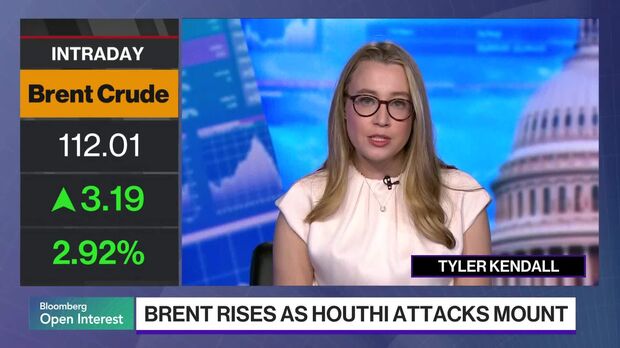
The news reports that oil posted its biggest gain in about a week on October 22, 2026, as attacks on Saudi Arabia raised supply-disruption fears. WTI traded near $99 a barrel after a 2.4% gain, and Brent settled above $113. Iran-backed Houthi militants claimed strikes on the Saudi Red Sea port of Yanbu, including an oil field and an airport. The source is a market report on energy commodities. It does not discuss Amazon, Temu, Shopify, seller fees, or customs rules, so the seller link is indirect and runs through freight costs. The main finding for sellers is a possible rise in landed costs, not a new platform or regulatory change.
The operational channel is fuel surcharges. Carriers typically index fuel surcharges to diesel and jet fuel prices, which track crude with a lag. The news reports sustained crude moves but does not quantify any surcharge change, so any cost estimate here is an industry-pattern assumption, not a sourced figure. Sellers using air freight for FBA replenishment or small-parcel imports are most exposed, because jet fuel is a large share of air cargo rates. Ocean shippers face a similar pattern, and the Red Sea disruption, which the article ties to Houthi activity, could also push up routing and war-risk premiums. Sellers in apparel, consumer electronics, and home goods that ship on tight margins should watch this first. Industry data suggests fuel surcharge changes often reach shipper invoices within one to two monthly billing cycles after a sustained move.
Specifically for sellers, the decision is about timing, not about the platform. Sellers can reduce exposure by pulling forward inbound shipments that are already booked at current rates, and by comparing carriers' surcharge tables before signing new contracts. Sellers should also check whether their 3PL agreements pass through fuel charges, and whether those pass-through terms include caps. Amazon and other marketplaces do not typically change seller referral fees because of oil prices, so the main margin pressure is in logistics, not platform fees. The operational impact depends on how much of each product's landed cost is freight: for low-value, high-volume goods, even a modest surcharge increase can erase a meaningful share of contribution margin.
Immediate Actions (0-30 days): Monitor carrier fuel surcharge notices and compare current invoices against the prior quarter. Review shipments booked for the next 30 days and consider moving high-value replenishment earlier if rate notices are announced. Strategic Adjustments (1-6 months): Model landed cost sensitivity at several fuel price levels, and consider shifting some air volume to ocean where lead times allow. Compare two or three freight forwarders on surcharge structure, not only base rate. Risk Mitigation: Set a monitoring checkpoint for Brent and jet fuel prices, and avoid locking long-term fixed-price freight contracts at peak crude levels without a surcharge cap. The cost of inaction is margin compression, which can be larger than any single platform fee change.
Questions 6
Which seller categories are most exposed to higher air freight costs from oil prices?
Low-value, high-volume categories such as apparel, consumer electronics accessories, and home goods are most sensitive, because freight is a larger share of landed cost. Sellers that rely on air freight for urgent FBA replenishment face the largest exposure. The news does not cite category-level data, so this assessment reflects general industry patterns rather than a sourced figure.
How do fuel surcharges from carriers respond to crude oil spikes?
Carriers usually index fuel surcharges to diesel and jet fuel prices, which follow crude with a lag. The source article reports a sustained crude gain tied to Saudi attacks, but it does not quantify any surcharge change. Industry practice suggests changes often appear on shipper invoices within one to two billing cycles. Sellers should check their carrier's published surcharge table to estimate the exposure.