
China-North Korea New Yalu Bridge Opens | Sellers Watch Trade Routes
- New Yalu River Bridge adds round-the-clock container and heavy truck capacity for China-DPRK trade, affecting Dandong-linked freight and sourcing for NE China suppliers
Overview
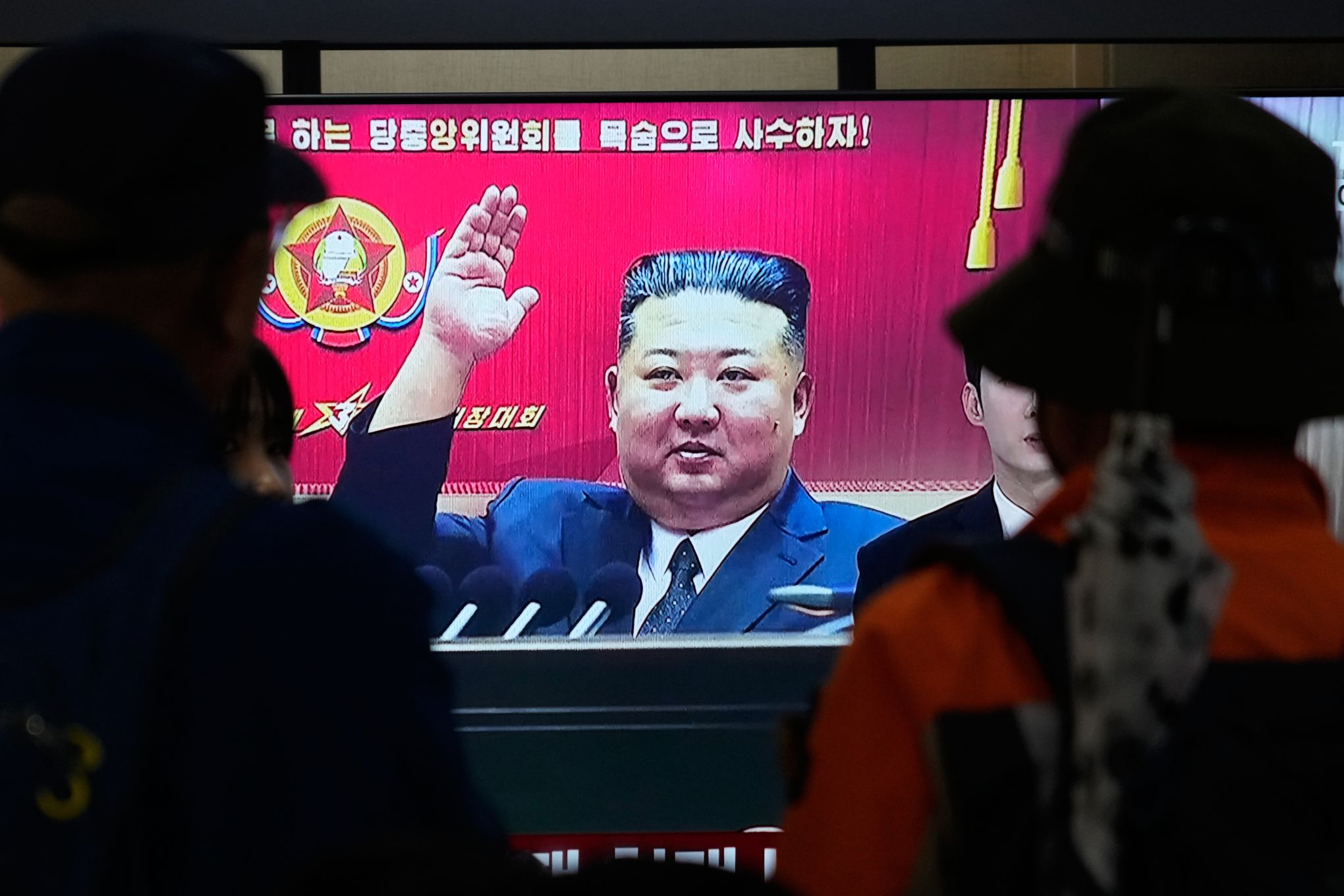
Kim Jong Un's visit to Dandong, where he crossed the newly opened New Yalu River Bridge and met Wang Huning, is primarily a diplomatic and security event, but it signals a new 24-hour two-way land corridor between China and North Korea. The news reports that the bridge, opened earlier this month, is designed for round-the-clock traffic including container shipments and heavy cargo trucks, with the stated aim of expanding trade. For cross-border sellers, the direct e-commerce exposure is limited: North Korea is not a consumer market served by major platforms such as Amazon, Shopify stores or Temu, and sanctions regimes make most direct sales illegal. The indirect exposure is in sourcing and logistics. Dandong is a key hub for Chinese manufacturing inputs and freight, so improved capacity may lower transit costs for Northeast China factories, and sellers sourcing from Liaoning and Jilin should monitor lead-time and freight rate changes.
Expert view: the bridge changes regional logistics economics more than it changes platform demand. Industry data shows that land-border freight in Northeast China typically competes on trucking rates and customs clearance speed rather than on price alone. If the bridge reduces clearance delays, sellers using Dandong-routed trucking for components or finished goods could see transit times shorten by days, though no official timeline or tariff change has been announced in the report. The news reports that Kim toured a car factory and both sides pledged practical cooperation, which suggests more industrial inputs may move across the border, potentially tightening capacity for general cargo during peak periods.
Specifically for sellers, the main risk is compliance rather than opportunity. UN and US sanctions restrict trade with North Korea, and the Office of Foreign Assets Control (OFAC) and China's customs authorities scrutinize transshipment. Sellers should not add North Korean-origin inputs or route goods through the bridge without a documented compliance review. Kim's sixth visit to China since 2011, timed before the October 25 anniversary, and his rebuffing of Donald Trump's proposal to resume talks indicate that sanctions policy is unlikely to loosen quickly, so the compliance environment is likely to stay tight for the next 1-3 months.
Immediate actions (0-30 days): Verify your supply chain has no North Korean-origin materials and document origin certificates for Dandong-routed shipments. Monitor Dandong freight rates and customs clearance times weekly through your forwarder. Strategic adjustments (1-6 months): If you depend on Northeast China suppliers, consider a secondary sourcing option in Shandong or Guangdong to reduce single-corridor exposure, and evaluate whether bridge-enabled trucking lowers landed cost by more than 3-5%. Risk mitigation: Avoid any sales or payment flows touching North Korean entities, and set a quarterly checkpoint to review sanctions list updates from OFAC and the UN Security Council.
Questions 5
How could the Dandong bridge affect freight costs for China-based sellers?
The bridge may increase land-border truck capacity between Dandong and North Korea, which can ease congestion for Northeast China shippers. The report does not give tariff or freight rate figures, so sellers should request updated quotes from forwarders. Sellers who run Liaoning or Jilin sourcing routes may see clearance and transit changes, and it is reasonable to test whether any savings exceed 3-5% of landed cost.
Does the New Yalu River Bridge open new e-commerce sales opportunities in North Korea?
No, not in practice for mainstream sellers. The news reports the bridge is designed for round-the-clock container and heavy truck traffic to expand trade, but North Korea is not served by Amazon, Shopify or Temu, and UN and US sanctions restrict most commercial sales. Sellers should treat the bridge as a logistics development rather than a new consumer market.