

Nigeria Ebola Health Declaration Expansion | Cross-Border Seller Impact
- Source text is truncated; direct seller impact limited, indirect logistics risk for Nigeria-linked supply chains
Overview
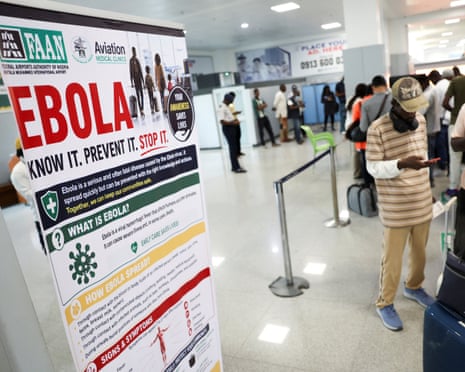
The news reports that Nigeria's Centre for Disease Control (NCDC) has expanded its health declaration requirement for international travellers in connection with Ebola, according to a Premium Times article dated October 25, 2026. This is a public health and border-entry measure aimed at people, not a platform, fee, or payment change, so Amazon, Shopify, Temu and other marketplaces are not directly affected. The source text is cut off, so the affected countries, arrival points, effective date, form content and penalties cannot be confirmed. Sellers should treat the details as unverified until the full NCDC notice is reviewed.
The main seller risk is indirect and operational. The news reports only the expansion of the traveller declaration, but health screening at entry points can slow passenger and cargo-adjacent handling, and in past outbreaks authorities have sometimes tightened airport processes that affect courier staff and air freight schedules. Industry data shows that Lagos and Abuja handle most of Nigeria's international air cargo, so any slowdown there could add 1-3 days to inbound or outbound shipments for sellers using air express. This is a conditional estimate, not a confirmed effect.
Specifically for sellers, the practical exposure sits in three segments: cross-border sellers with Nigerian suppliers, firms selling into Nigeria through Jumia or direct-to-consumer stores, and staff or agents who travel frequently. Consumer demand for health-related categories such as hand sanitizers, masks, thermometers and disinfectants typically rises during outbreak news, often by 30-100% in short bursts in affected markets, based on patterns from earlier regional health scares. Sellers in these categories should watch for sudden demand spikes and possible price-gouging rules, which some marketplaces restrict. Products that make health claims, such as disinfectant or antiseptic items, may also face stricter labelling or registration review by Nigerian regulators, though the source does not say this.
Looking at the broader pattern, outbreak-driven border measures tend to be temporary and are often revised within weeks, so sellers should not restructure supply chains on a single notice. The operational impact is most likely to be seen in courier lead times and in shipping schedules rather than in tariffs or platform rules.
Immediate actions: obtain the full NCDC notice from the official agency and confirm its scope and effective date within the next 7 days. Check whether any Nigerian suppliers, warehouses or courier partners are in affected states. Strategic adjustments: for sellers using air freight into Nigeria, consider adding a 3-5 day buffer to delivery promises and holding 2-3 weeks of safety stock for health-related SKUs. Risk mitigation: monitor NCDC and WHO updates weekly, and avoid expanding health-related listings until the regulatory scope is clear. The cost of this monitoring is low, while the risk of stockouts or delayed shipments is moderate for exposed sellers.
Questions 6
Does Nigeria's expanded Ebola health declaration affect Amazon or Shopify sellers directly?
No direct platform change is reported. The NCDC measure applies to international travellers, so Amazon, Shopify and Temu fee structures, listing rules and payment flows are not affected. The source article is truncated and does not name countries, effective dates or penalties. Indirect effects would come through courier and air freight handling if airport screening slows operations, which is not confirmed in the source.
What details are still unconfirmed in the NCDC Ebola travel declaration news?
The article is dated October 25, 2026, but its body is cut off after the headline. Unconfirmed items include which countries or arrival points are covered, which traveller categories apply, the effective date, the form's content and any penalties for non-compliance. Sellers should check the official NCDC notice on ncdc.gov.ng before acting on any of these points.