
Steam AI Content Risk | Digital Game Sellers Act Now
- Shogun 2 withdrawal exposes subcontractor AI oversight gaps for digital entertainment sellers and publishers
Overview
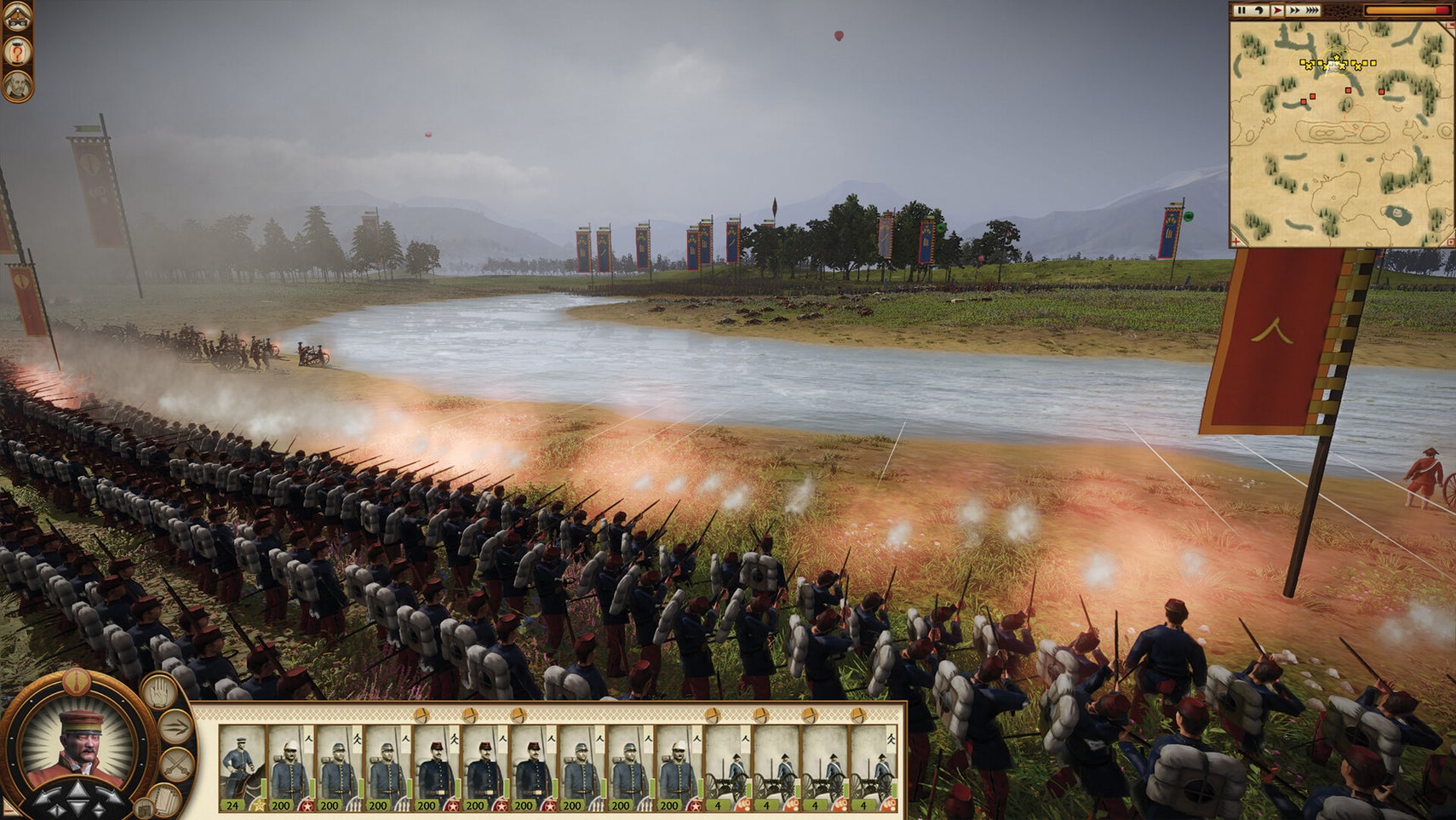
Creative Assembly's withdrawal of Total War: Shogun 2 – Complete Edition over generative AI concerns signals that digital storefronts such as Steam are tightening scrutiny of AI-generated content, and that publishers remain fully liable for work delivered by external partners. The news reports that Roger Collum, vice president of the Total War franchise, said in a Reddit post that the game was not developed in-house and therefore did not pass the studio's usual quality assessments. Sega and Creative Assembly jointly acknowledged the title did not meet expectations, citing AI issues and other performance problems. The investigation is ongoing, and no relaunch date has been confirmed.
Subcontractor oversight is now a direct revenue risk. The news reports that Mataboo Games, a Warsaw-based studio listed as co-developer on the Steam store page, was involved, while Collum did not name the partner. Collum admitted the internal team was largely occupied with upcoming projects, which led to insufficient oversight. For digital sellers, a withdrawal erases sales velocity, wipes out early reviews and can damage the Steam store page's visibility for months. Sellers should treat outsourced production as a compliance surface, not just a cost line, and require written AI-usage declarations from every contractor before go-live.
Platform AI-content policy is tightening across storefronts. The news notes that Steam users requested AI-content filters during the October Steam Next Fest, that App Store review times have extended to several weeks, and that UKIE launched an AI Compliance and Accreditation Service with Sheridans. Industry survey data cited by Vivrato shows 97% of studio leaders in Europe and North America use AI in some capacity, so blanket bans are unlikely; disclosure is the realistic compliance path. Sellers launching digital products should plan for review delays of several weeks in App Store and similar channels, and build that buffer into Q4 launch calendars and promotional timing.
Actionable opportunity for compliant sellers. Similar controversies historically push buyers toward publishers that advertise human-made content, and early disclosure can differentiate listings in crowded seasonal windows. Sellers of game keys, digital codes and related merchandise tied to licensed IP should monitor Steam tag and store-page disclosure changes weekly, since any filter rollout will reshape visibility quickly.
Immediate actions (0-30 days): Audit all active digital listings and contractor agreements for AI-usage clauses, and confirm AI disclosure fields on Steam store pages before the next promotional push. Pause any relaunch or pre-order campaign on titles with unverified external development until a written provenance review is complete. Strategic adjustments (1-6 months): Require third-party developers to supply AI-usage logs and quality sign-off, and budget 2-4 weeks of review lead time for App Store submissions. Risk mitigation: Monitor the Shogun 2 investigation, Steam policy updates and UKIE accreditation uptake, and avoid bundling unverified AI-assisted assets into seasonal promotions, where a single withdrawal can cost a full quarter's sales.
Questions 6
What compliance support exists for publishers using AI tools?
The UK trade body UKIE has launched an AI Compliance and Accreditation Service with Sheridans, according to the news. Publishers selling into the UK and Europe can use accreditation to demonstrate governance over AI-assisted assets. Industry survey data from Vivrato shows 97% of studio leaders in Europe and North America use AI in some capacity, so disclosure and oversight are more realistic compliance goals than avoidance.
What should sellers do about outsourced game development partners?
Sellers should audit subcontractor agreements for AI-usage clauses, quality sign-off and provenance logs before go-live. The Shogun 2 case shows that insufficient internal oversight of external work led to a withdrawal, which can cost a full quarter of sales. Pause pre-orders on titles with unverified external development until a written review is complete.