
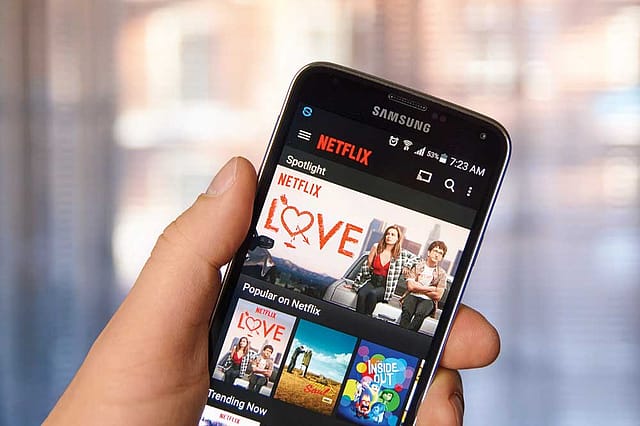
Netflix Zombie Subscribers | Subscription Renewal Risk for Sellers
- Inactive paid memberships tied to 12% Q3 revenue growth; subscription-box, digital-service and ad-tier sellers face renewal-churn risk
Overview
The news reports that Netflix faces analyst scrutiny over "zombie subscribers," paying members with little or no use, even as the company logged over 97 billion global viewing hours in January-June 2026 and third-quarter revenue of about 12.9 billion, up 12% year-on-year. For cross-border sellers, the signal is less about streaming itself and more about how durable paid relationships are when engagement softens while cancellations stay low.
The core finding is that inactive but paying subscribers create hidden renewal risk rather than immediate revenue loss. The report notes weaker US engagement alongside improved cancellations globally and in the US versus a year earlier. Netflix's shareholder letter acknowledged investor concern about viewing-hours growth, while management pointed to healthy member responses to price increases. The term has no universal inactivity threshold and is not a disclosed Netflix category, so sellers should treat it as an analytical lens rather than a reportable metric.
Specifically for sellers, the operational lesson is that inertia supports recurring revenue but also masks churn. Research by Liran Einav, Ben Klopack and Neale Mahoney in the American Economic Review (May 2025) found substantially higher cancellations when replacement payment cards required active renewal decisions. That study covered other services and does not quantify Netflix's inactive revenue, but it suggests that subscription-based sellers, such as software tools, supplement boxes, and digital content on Shopify or Amazon Subscribe & Save, may see revenue depend heavily on auto-renewal. Industry data shows that involuntary churn from failed card payments commonly represents a meaningful share of subscription losses, so sellers should monitor it separately from voluntary cancellations.
The operational impact also reaches advertising and consumer-trust channels. For ad-supported tiers, reduced per-member viewing limits ad reach, which may push brands to reallocate budgets toward platforms with stronger active engagement. In May 2020 Netflix moved to cancel long-inactive memberships unless users confirmed continuation, showing that platforms can clean up dormant accounts. Consumer-side, the news highlights a growing category of subscription-audit demand: reviewing bank statements, app-store subscriptions and auto-renewals, since deleting an app does not cancel membership. Sellers of budgeting tools, card-management accessories or subscription-management services can build content around this topic. Similar events historically lift search interest in "cancel subscription" and "subscription audit" queries for a few weeks.
Recommended actions:
- Immediate (0-30 days): Audit your Shopify or Amazon subscription plans and split churn into voluntary and failed-payment categories; add card-updater and dunning emails before the next renewal cycle.
- Strategic (1-6 months): Build re-engagement flows for dormant subscribers, and test annual plans or bundled offers, targeting a 5-10% lift in retention at a modest discount cost.
- Risk mitigation: Avoid relying on inactive renewals as a forecast baseline; set monitoring checkpoints monthly on cancellation rate, activation rate and refund requests. Consider adding a clear cancellation path to reduce chargeback disputes under card-network and consumer-protection rules.
Questions 6
What did Netflix do about inactive members in the past?
In May 2020 Netflix announced it would cancel memberships of long-inactive users unless they confirmed continuation, a precedent showing platforms can clean up dormant accounts. The concept also has earlier use in music streaming dating to 2013. Sellers using subscription models should consider similar re-confirmation prompts for long-dormant customers to keep recurring revenue data accurate.
Should sellers help customers audit their subscriptions?
Yes, this can be a content and product opportunity, since deleting an app does not cancel membership and consumers are advised to review bank statements and app-store subscriptions. Sellers of budgeting tools, card accessories or subscription-management guides can capture search interest. Ensure your own cancellation path is clear to reduce chargebacks and consumer-protection complaints.