
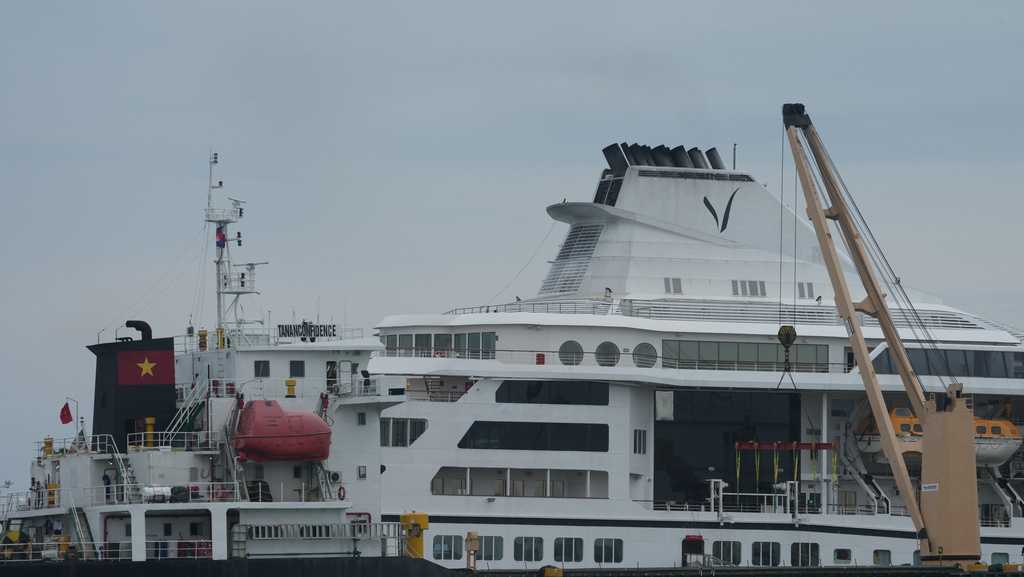
Fuel Shock Strands Cruise Ship | Cross-Border Sellers Act Now
- Fuel per cabin jumped from $1,800 to $6,000-8,000 monthly, hitting SEA travel and freight-linked sellers
Overview
The news reports that the MV Odyssey, operated by Florida-based Villa Vie Residences, suspended its three-year global voyage while docked at Sihanoukville, Cambodia, citing unsustainable fuel costs linked to the Iran conflict and reduced traffic through the Strait of Hormuz. With 203 passengers and 156 crew aboard, the operator said monthly fuel expenses per cabin surged from a historical average of about $1,800 to an estimated $6,000-8,000 in parts of Asia. For cross-border sellers, this is a clear signal that petroleum price shocks can break operator economics within weeks, and that consumer prepayments carry counterparty risk.
Fuel volatility is now a direct cost driver for Southeast Asian shipping and travel-linked merchandise. The reported per-cabin fuel jump of roughly 230-330% shows how quickly bunker costs can overwhelm slow-steaming gains. Industry data shows marine bunker prices feed into container surcharges such as BAF (Bunker Adjustment Factor), so sellers importing through Cambodian, Thai, or Vietnamese ports should expect carriers to pass through fuel increases within 2-4 weeks. Sellers shipping LCL cargo from Shenzhen or Ho Chi Minh City to US FBA warehouses should request updated all-in quotes and build a 5-8% freight contingency into Q3 landed cost models.
Specifically for sellers, prepayment exposure is the less obvious risk. The operator's restructuring and absence of lodging support after passengers were dropped at central Sihanoukville illustrate how travel-related deposits, bundled tour packages, and pre-sold experiences can become unrecoverable. Sellers offering pre-orders, subscription boxes, or travel accessories with long fulfillment windows should use platform-protected payment methods, avoid holding customer funds longer than 30 days without delivery, and monitor Amazon and Shopify chargeback rates. Cruise-themed merchandise such as luggage, travel organizers, and motion-sickness products tied to voyage bookings should be listed on-demand rather than pre-produced for a single operator.
Looking at Southeast Asian tourism flows, Cambodia's earlier role in hosting the MS Westerdam in 2020 shows that port access itself can become a constraint during crises. The operational impact for sellers is that Sihanoukville-linked distribution and sea-freight options may face fuel-related surcharges and capacity tightening, so diversifying origin ports toward Laem Chabang or Cai Mep is prudent.
Immediate Actions (0-30 days): Request revised BAF and fuel surcharge schedules from your forwarder by the next booking cycle, and recalculate landed cost per SKU using a 5-8% freight uplift. Review any pre-order or travel-linked listings and confirm delivery timelines against payment terms. Strategic Adjustments (1-6 months): Consider shifting 10-20% of SEA-origin volume to alternative ports and evaluating fixed-rate contracts for Q4 peak. Risk Mitigation: Monitor Brent crude and Strait of Hormuz shipping data weekly, and avoid long prepayment windows for consumer-facing travel products. Cost-benefit: a 5% freight buffer on a $500,000 annual import budget costs roughly $25,000 but protects against margin compression exceeding 8-10%.
Questions 6
Why did the MV Odyssey cruise ship suspend its voyage in Cambodia?
The MV Odyssey, operated by Florida-based Villa Vie Residences, suspended its voyage while docked at Sihanoukville, Cambodia, citing unsustainable fuel costs. The company said monthly fuel expenses per cabin rose from a historical average of about $1,800 to an estimated $6,000-8,000 in parts of Asia, which it attributed to the Iran war and reduced traffic through the Strait of Hormuz. Its slower itineraries and longer port stays did not offset the increase. The ship carries 203 passengers and 156 crew.
Which Southeast Asian ports are alternatives to Sihanoukville for cargo?
Laem Chabang in Thailand and Cai Mep in Vietnam are the main alternatives for container cargo from the region, with broader service networks and more carrier options. Sellers should compare transit times, THC charges, and BAF schedules across ports before shifting volume. Shifting 10-20% of SEA-origin volume can reduce single-port concentration risk. Confirm customs clearance times with your forwarder before changing routings.