



UK Budget VAT Online Sellers Crackdown | Seller Risk Alert 2026
- UK marketplace sellers face tighter VAT enforcement on low-value imports; retailers face rising payroll and rates costs from 28 Oct 2026 Budget
Overview
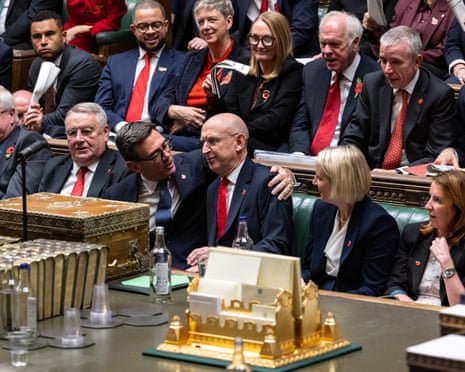
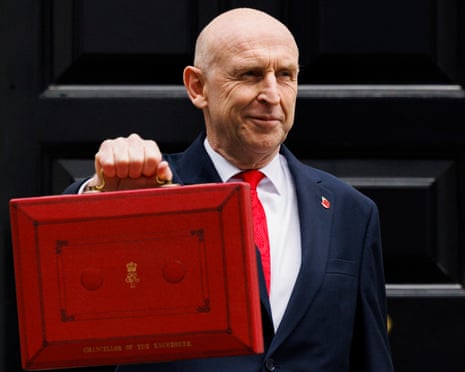
The UK Budget delivered by Chancellor John Healey on 28 October 2026 tightens VAT enforcement against online sellers and marketplaces such as Amazon, while capping business rates rises at inflation for two years. For cross-border sellers shipping into the UK, the operational priority is the low-value import and marketplace VAT collection changes, which are likely to raise compliance workload and landed costs once legislation is confirmed. Risk score: moderate-high (urgency medium, impact broad, loss degree moderate, controllability high).
The clearest seller exposure is marketplace VAT. The Budget clamped down on VAT avoidance by online sellers, and retailer Pets Corner welcomed measures ensuring platforms such as Amazon collect VAT from more sellers. The news reports that the owner also wants an earlier end to tax breaks for low-value imports from Shein and Temu, which signals that the low-value import relief is under political pressure. Specifically for sellers shipping small parcels into the UK, this means Amazon Seller Central VAT registration checks and tax-inclusive price reviews should be completed before enforcement tightens, and any China- or Asia-sourced SKUs priced under the low-value threshold should be modelled at full duty and VAT. Industry data shows that a 5-10% increase in landed cost on sub-£135 parcels can erode margins quickly in apparel and small home goods, where net margins often sit below 15%.
The domestic cost picture is also tightening. Business rates increases are capped at inflation for two years and the rates relief threshold has been raised, but the minimum wage rise from April and unchanged employer National Insurance for younger workers offset much of the benefit, according to operators quoted in the Guardian. The Office for Budget Responsibility cut its 2027 UK growth forecast from 1.6% to 1.0% and raised its 2026 inflation forecast to 3.5% from 2% in March. The Resolution Foundation also warns the £4.4bn cost-of-living package is badly targeted, with real disposable incomes for working-age households projected to fall by £1,050 between 2026-27 and 2028-29. The operational impact is weaker discretionary demand in UK home, pets and gift categories, with price-sensitive shoppers likely to trade down. Similar squeezes in past UK cycles have pushed sellers toward value bundles and consumables rather than premium SKUs.
Looking at the pattern across the three items, the policy direction is consistent: higher compliance and labour costs for UK businesses, tighter scrutiny of overseas low-value goods, and fragile household spending. Sellers should treat this as a cost-and-compliance event first and a demand event second.
Questions 6
How do the new business rates caps affect small UK retail shops?
The Budget caps business rates increases to inflation for two years and raises the threshold at which rates begin to be paid, giving the most direct benefit to smaller shops. Operators quoted in the Guardian said the April minimum wage rise would more than offset the rates change for most hospitality firms. Retailers should review their rateable value and rates liability once HM Treasury confirms the thresholds.
Will the end of low-value import tax breaks hit Shein and Temu sellers in the UK?
A retailer quoted in the news called for an earlier end to tax breaks for low-value imports from Shein and Temu, showing this relief is under political pressure. No final timetable was confirmed in the reporting. Sellers shipping sub-threshold parcels into the UK should price in full duty and VAT scenarios now. A 5-10% landed cost increase can materially reduce margins on low-price apparel and home goods.