


iPhone Duo Screen Defects | Compliance and Return Risk for Sellers
- Early hinge and inner-display reports raise return and warranty workloads for premium foldable sellers
Overview
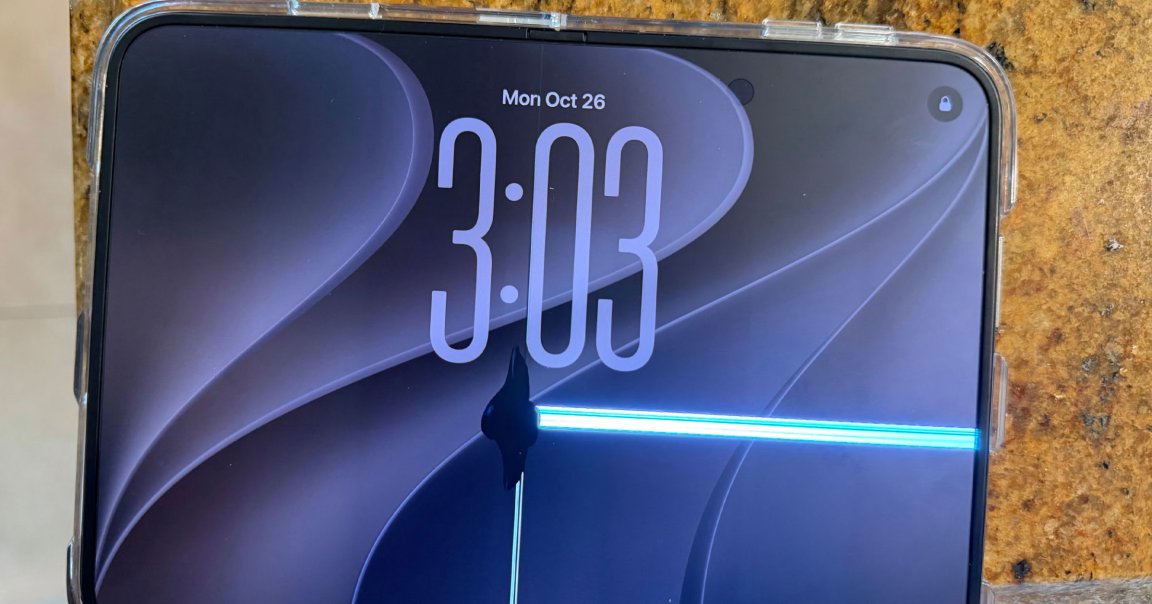
The iPhone Duo foldable launched October 23, 2026, and within days Apple acknowledged an inner display issue affecting a small number of units and committed to replacements through AppleCare. Apple has not disclosed how many units are affected, and the reports cite cracks along the centre crease, a crunching sound on opening, and backordered replacement stock. For cross-border sellers, the core signal is a rising warranty, return and dispute workload on premium foldables, not a regulatory bar. The news reports that a Texas buyer's unit cracked within about 30 minutes of setup and that a second unit cracked within 24 hours, with the store able to offer only a backordered replacement. Priced from near $2,000 to above $3,000, the device creates high per-order refund exposure when a single unit fails.
The defect pattern is structurally tied to the foldable hinge and ultra-thin glass, a component the reports say has caused similar flaws in rival devices. This suggests the risk is industry-wide rather than unique to Apple. Specifically for sellers, the compliance angle is documentation: marketplaces such as Amazon and eBay typically require accurate product condition claims, and listing foldables as defect-free or 'new' without disclosing known reports creates dispute exposure. Sellers should expect higher return rates on premium foldable SKUs and should not assume that factory replacement terms transfer cleanly to third-party resale. The operational impact includes longer fulfillment cycles where replacements are backordered.
The reports also indicate a demand shift toward screen protectors, protective cases and repair parts, which are low-regulatory-barrier categories that compliant sellers can enter quickly. Industry pattern data from earlier foldable launches shows accessory demand often peaks within the first 4-8 weeks after a defect wave, though the scale here remains unconfirmed because Apple has not published unit counts and independent testing is pending. Ulanoff characterised the issue as possibly a blip, so sellers should avoid over-committing inventory.
For compliance-focused sellers, the opportunity is to offer verified, documented protection products with clear test claims, since unsubstantiated durability claims carry advertising and consumer-protection risk in the EU and US. Monitor AppleCare policy updates and replacement availability before committing stock, and treat the situation as a signal to tighten return-policy wording rather than a reason to exit the category.
Questions 6
What compliance risks should sellers consider before committing inventory of premium foldables?
The main risks are product-condition misrepresentation, unclear return terms and dispute exposure on high-value orders. The reports indicate the hinge and thin glass are the failure points, and similar issues have affected rival foldables, so the risk is not specific to one brand. Sellers should confirm warranty transferability, check marketplace dispute rules and avoid committing large stock until Apple publishes replacement availability and any defect-rate data.
Does this Apple foldable defect affect Samsung or other foldable sellers?
The reports say foldable hinge reliability has affected rival devices, which suggests the issue may be industry-wide. Sellers of any premium foldable should review hinge-related return reasons and warranty terms across brands. Monitor listing-level defect rates rather than brand-level assumptions, and check whether competitor foldables show similar complaints in your marketplace reviews.