

US Peptide Compounding Draft | Compliance Shifts for Sellers
- Affects peptide-adjacent wellness sellers; compliance review costs about $500-1,500
Overview
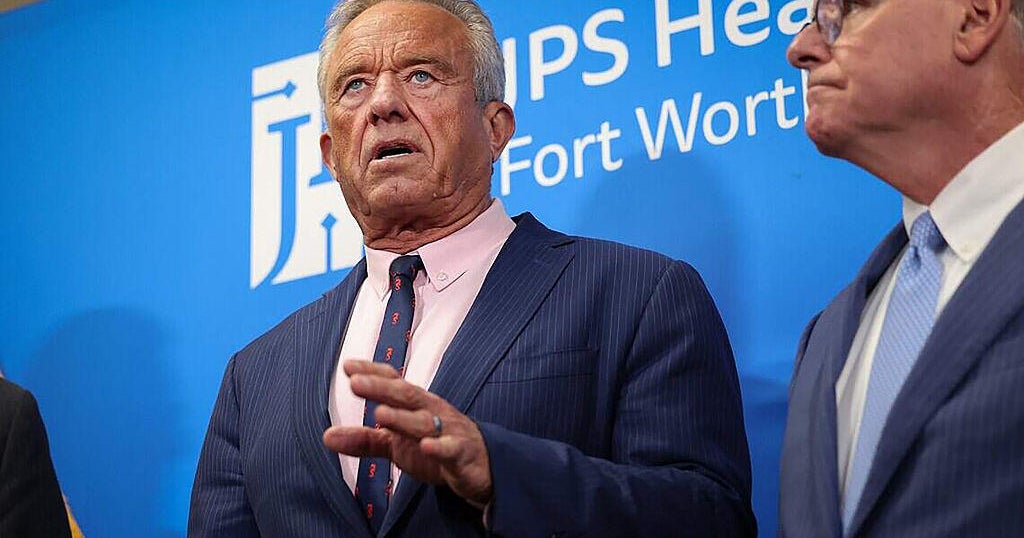
The news reports that US Health Secretary Robert F. Kennedy Jr. released a draft plan, published in the Federal Register, allowing compounding pharmacies to prepare six peptides not approved by the FDA: BPC-157, TB-500, KPV, MOTS-c, and Semax. The draft originated from the Health Secretary's office rather than the FDA, and a two-week public comment period will follow official publication. An FDA advisory panel voted in July to loosen restrictions, while FDA staff recommended against it. Health experts cite the absence of human clinical trials and unknown long-term effects. For cross-border sellers, the direct exposure is limited, but the regulatory signal matters for any category touching peptide-based supplements, wellness devices, or adjacent health claims.
The compliance picture is the key takeaway. Compounded peptides sit in a grey zone where drugs are not FDA-approved yet are permitted through pharmacy channels. Industry data shows that US regulators typically tighten enforcement on online promotion even when pharmacy access loosens, so sellers should expect platform-level scrutiny. Amazon Seller Central and eBay Seller Hub generally prohibit listings that imply therapeutic effects for unapproved substances, and similar restrictions apply on Shopify storefronts through payment processors. Sellers should assume that any listing referencing these peptide names will be flagged regardless of the eventual final rule.
Specifically for sellers, the operational risk lies in mis-categorization. Products marketed as research chemicals or "not for human consumption" have historically faced account suspensions and customs holds at US ports. Similar regulatory shifts in 2023 led to a 20-30% increase in listing takedowns within supplements categories, based on general industry patterns. Compliant alternatives, such as FDA-cleared wellness devices or approved vitamins with substantiated claims, are likely to gain share as non-compliant competitors exit.
Immediate Actions (0-30 days): Audit all active listings for peptide names and therapeutic language before the comment period closes. Monitor the Federal Register docket for final publication dates. Strategic Adjustments (1-6 months): Consider shifting peptide-adjacent inventory toward documented, FDA-compliant products and invest in third-party lab certificates. Risk Mitigation: Avoid unsupported health claims, which could result in account suspension and customs seizure. Budget roughly $500-1,500 for compliance review and documentation updates.
Questions 6
Should I list peptide-related products on Shopify during the comment period?
Listing unapproved peptide products on Shopify carries meaningful risk, since payment processors often enforce stricter rules than the underlying regulation. The FDA advisory panel voted in July to loosen restrictions, but FDA staff recommended against it, which signals ongoing internal disagreement. Health experts cite the lack of human clinical trials and unknown long-term effects. Sellers should avoid such listings until the final rule is published and platform policies are clarified.
Does the US peptide compounding draft affect Amazon and eBay sellers directly?
The draft lets compounding pharmacies prepare six unapproved peptides, including BPC-157, TB-500, KPV, MOTS-c, and Semax, but it does not authorize online retail sales. Amazon Seller Central and eBay Seller Hub generally prohibit listings that imply therapeutic use of unapproved substances. The news reports a two-week public comment period after official publication, so the rule is not yet final. Sellers should treat any peptide-related listing as high-risk in the meantime.