
Fed Rate Hold Signals Higher Borrowing Costs | Seller Finance Guide
- Fed holds rates steady as Warsh flags wider credit spreads, pressuring working-capital costs for small cross-border sellers using credit lines
Overview
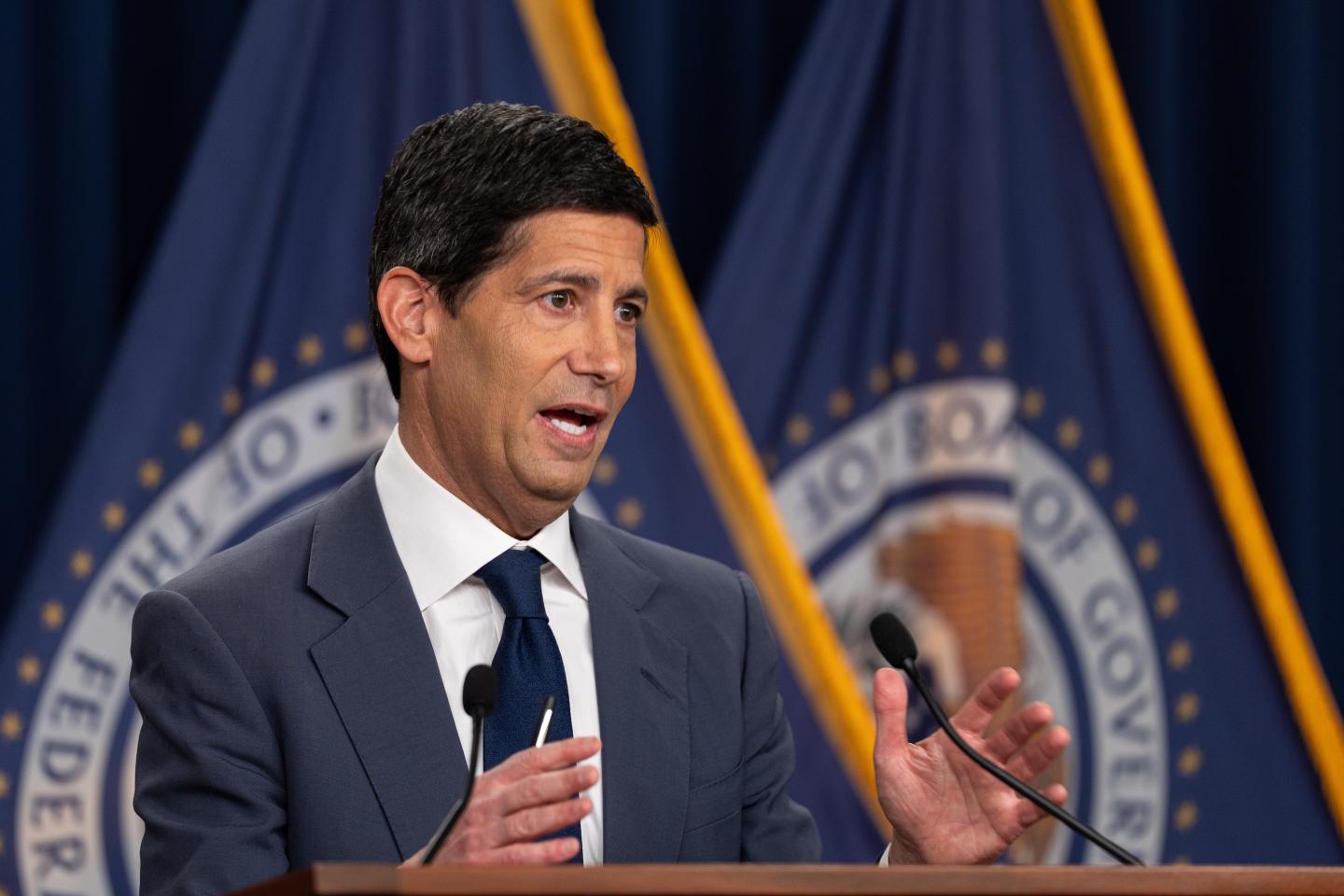
The news reports that Federal Reserve Chair Kevin Warsh said at a Wednesday news conference that AI investment is not insulated from monetary policy, warning that "interest rates get in the cracks." The Fed held its benchmark rate steady while inflation remains elevated and business investment stays strong, and Warsh pointed to widening credit spreads as a sign investors are becoming more selective. This is a macro signal rather than a platform rule change, but for cross-border sellers its transmission channel runs through borrowing costs and Treasury yields. Based on the article, no Amazon, Shopify or Temu fee, marketplace policy, logistics or customs change is announced.
Financially, the signal matters most for sellers who fund inventory with variable-rate credit lines, SBA-backed loans, or revenue-based financing priced off SOFR or Prime. Industry data shows that when credit spreads widen, lenders typically tighten advance rates on inventory and receivables before headline rates move. A seller carrying $200,000 in FBA inventory on a 1.5-point spread increase could see roughly $3,000 in additional annual interest, before any change in advance rates. Similar tightening periods historically compress the cash conversion cycle, which for apparel and home goods often runs 90-120 days from purchase order to cash.
The operational impact is concentrated in three areas. First, Amazon Seller Central sellers with Inventory Performance Index (IPI) pressure may face higher storage and aged-inventory costs if they hold stock to fund promotions. Second, Shopify Payments and marketplace settlement holds can be extended by lenders during tighter credit conditions. Third, sellers who use Treasury-linked fixed-rate instruments may benefit if yields fall later, but this is speculative.
For FX-exposed sellers, the hold also keeps the rate differential between USD and major trading currencies in focus. A steady Fed rate with elevated inflation supports USD demand relative to rate-cutting peers, which can raise the landed cost of goods priced in USD for EU and Asia-based sourcing entities. Hedging via forward contracts on 3-6 month exposures is the typical tool.
The combined reading: no immediate fee change, but a higher cost-of-capital environment. Sellers should treat this as a reason to stress-test cash runway rather than a reason to change platform strategy.
Questions 6
Should I hedge USD exposure if the Fed keeps rates on hold?
The news does not give a currency forecast, so any hedge decision should rest on your own exposure. A steady Fed with inflation still elevated tends to support USD relative to peers that are cutting rates, which can raise landed costs for EU or Asia-based sourcing paid in USD. For 3-6 month purchase commitments, forward contracts are the common tool. Sellers should size hedges to confirmed orders rather than speculative volume.
How do rising credit spreads affect cross-border sellers borrowing for inventory?
Fed Chair Kevin Warsh noted widening credit spreads as a sign investors are becoming more selective, according to the news report. Wider spreads usually mean lenders price risk higher and tighten advance rates on inventory and receivables before headline rates move. Industry data suggests a seller carrying $200,000 in inventory on a 1.5-point spread increase could pay roughly $3,000 more per year in interest. Sellers with variable-rate lines should request a rate review now and compare offers from SBA-backed lenders and revenue-based financing providers.