

Oil Above $100 Raises Cross-Border Freight Costs | Seller Impact Analysis
- Sustained crude near $100 may lift landed freight costs 3-6% for small and medium sellers shipping 1,000+ units monthly
Overview
Crude oil prices remain near $100 per barrel, with Brent near $114 and West Texas Intermediate near $102 according to the news reports, as traders weigh renewed US-Iran diplomacy against the risk of resumed military strikes. For cross-border sellers, the core signal is not the geopolitics itself but the sustained energy cost floor it creates for freight, fuel surcharges, and warehousing operations that feed into Amazon FBA and Temu fulfillment economics.
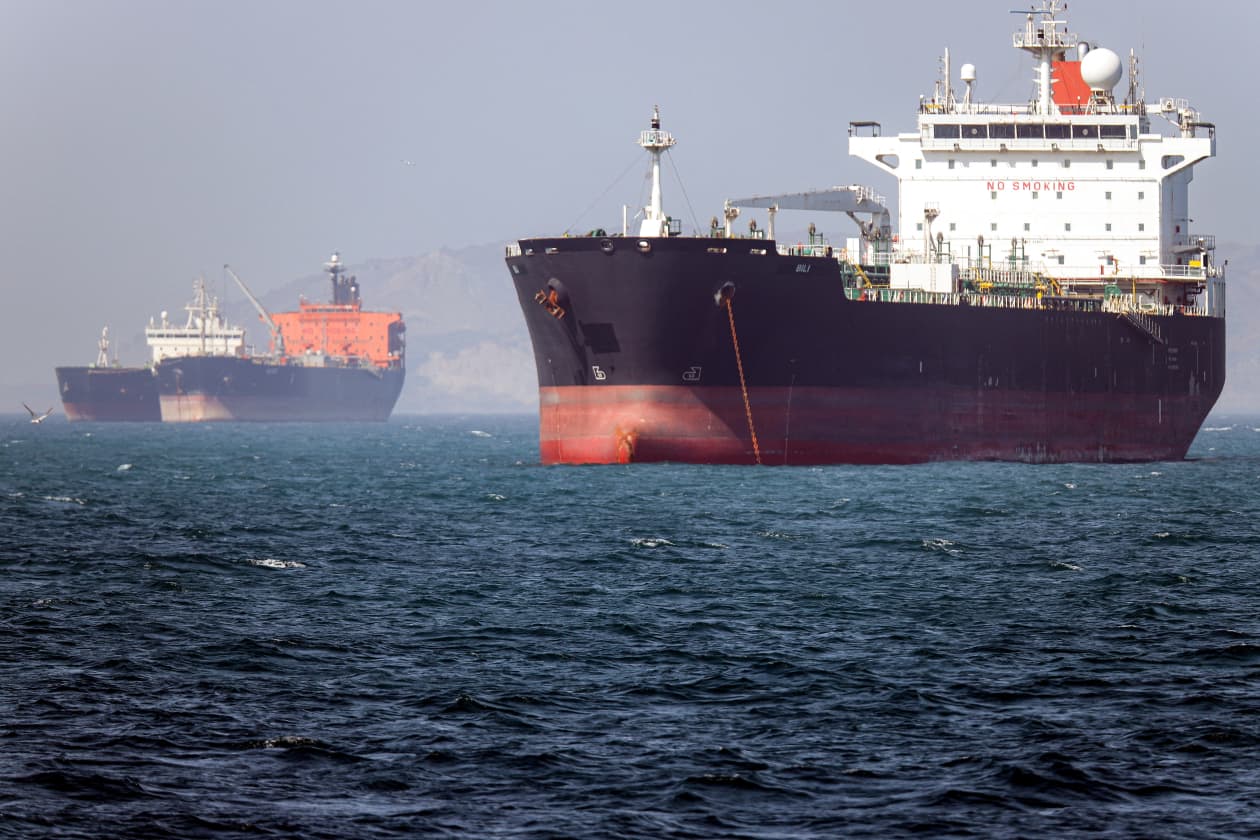
The news reports indicate that tankers were reportedly hit by mines in the Strait of Hormuz, and that markets are abandoning optimism about a quick end to the eight-month-old Middle East conflict. Industry data shows that ocean and air freight carriers typically pass through fuel price increases via bunker and fuel surcharges within one to three months, so sellers shipping 1,000+ units monthly on LCL or air express lanes should expect incremental cost pressure. Sellers in this category typically see landed cost increases of 3-6% when fuel surcharges rise in step with sustained crude above $100.
Looking at the operational chain, higher diesel costs also flow into last-mile delivery rates used by Shopify merchants relying on regional carriers, and into 3PL storage and handling charges that often include energy-linked escalators. Small and medium sellers without contracted freight rates are most exposed, while large sellers with multi-year carrier agreements have more negotiating leverage. Similar past oil spikes historically pushed sellers toward consolidated shipments and regional warehouse placement to reduce per-unit transport distance.
Specifically for sellers, a diplomatic de-escalation could compress crude prices quickly, but neither news item confirms a timeline, so planning should assume elevated energy costs through the next quarter. Consumer demand for discretionary categories such as home goods and apparel may soften as household fuel budgets tighten, which favors value-priced listings over premium SKUs.
Questions 6
How do high oil prices affect Amazon FBA sellers shipping from China to the US?
Sustained Brent prices near $114 and WTI near $102 can flow into ocean and air freight via fuel surcharges, which carriers typically adjust within one to three months. Sellers shipping 1,000+ units monthly may see landed cost rises of roughly 3-6%. Reviewing carrier surcharge schedules and locking in rates where possible helps protect FBA margins.
Should I change my logistics mix if oil stays above $100 per barrel?
The news reports say oil remains near $100 with no clear end date to the Middle East conflict, so energy-linked freight costs may persist. Sellers can compare LCL, air, and consolidated sea options per lane and test regional warehouse placement to shorten last-mile distance. Shifting only high-velocity SKUs first limits exposure while you measure actual cost changes.