
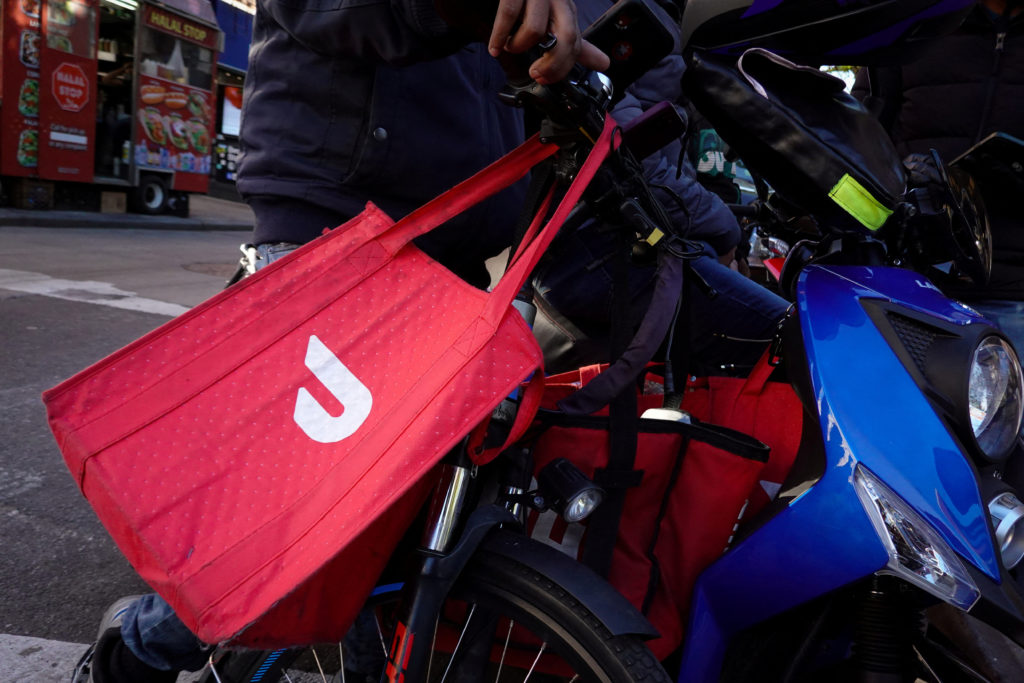
DoorDash $17B Instacart Bid | Grocery Delivery Seller Impact
- Consolidation could reshape commissions and reach for grocery and restaurant sellers, with a deal close targeted for end-2027 or early 2028
Overview
The news reports that DoorDash has offered approximately $17 billion to acquire Instacart, a deal that would consolidate U.S. grocery delivery and could take effect by late 2027 or early 2028, pending Instacart shareholder and regulatory approval. For sellers, the key shift is not the headline price but the channel structure: a single combined network would reach far more stores, shoppers and subscribers, while changing how commissions, fees and storefront technology are controlled.
The deal would concentrate delivery share and change seller leverage. Consumer Edge data cited in the report shows Instacart's share of U.S. delivery platform spending falling from 26% to 18% over five years, while DoorDash rose from 44% to 59%. Combined, the two would control a large majority of this spending. Specifically for sellers, that means fewer independent alternatives for grocers and convenience retailers. DoorDash says grocers would remain free to choose either platform and that Instacart's 600,000 shoppers and brand would stay, but antitrust attorney Ethan Litwin warns that control of Instacart's storefront technology could allow rivals to be cut off or competitors' pricing to be monitored.
Expanded reach and a single membership could lift order volume. The news reports that Instacart customers would gain access to 50,000 additional stores on DoorDash's platform, and that the separate $9.99 per month DashPass and Instacart memberships would be merged into one fee. Industry patterns suggest that bundled memberships typically raise order frequency, which benefits grocers and restaurants that already sit on either platform. However, the operational impact will depend on commission and fee terms, which the announcement has not specified. Sellers on either platform should expect renegotiated rate cards after closing.
Advertising and labor dynamics are the second-order effects. Combined advertising capabilities could grow, giving CPG brands a larger audience but potentially higher sponsored-placement costs. Litwin notes the two companies could be two of three major buyers of shopper labor in many markets, which may tighten driver supply and affect delivery speed. Regulatory scrutiny in the U.S. and elsewhere is expected, particularly amid food price inflation concerns.
Immediate Actions (0-30 days): Audit current revenue mix by platform, including Instacart, DoorDash and grocer-owned storefronts. Monitor official deal filings and any FTC or DOJ review notices. Strategic Adjustments (1-6 months): Model margin scenarios at 3-5 percentage-point higher commission, and build direct-to-consumer or marketplace alternatives so that no single channel exceeds roughly 40% of sales. Risk Mitigation: Avoid signing multi-year exclusivity terms until the deal outcome is clear, and track ad cost per click quarterly to detect pricing shifts early.
Questions 6
How would DoorDash acquiring Instacart affect grocery sellers and small grocers?
The news reports DoorDash has offered about $17 billion for Instacart, with closing expected by end-2027 or early 2028 pending shareholder and regulatory approval. Instacart's 600,000 shoppers and brand would remain, and grocers would be free to choose either platform, while Instacart customers would gain access to 50,000 additional stores on DoorDash. Sellers should expect renegotiated commission and fee structures after closing, so they should model margin scenarios now and avoid multi-year exclusivity terms until the deal outcome is clear.
Will the merged DoorDash and Instacart membership change my delivery costs?
Consumers paying $9.99 per month for separate DashPass and Instacart memberships would move to one fee, according to the announcement. Industry patterns suggest bundled memberships raise order frequency, which can help grocers and restaurants already on either platform. However, the announcement does not specify commission rates, so sellers should track fee changes in their platform dashboards after any deal is approved.