
Iran Blockade Hormuz Risk | Cross-Border Freight Outlook 2025
- Gulf shipping surcharges could rise as US naval blockade persists, affecting UAE and Saudi-bound sellers and Asia-Europe routes
Overview
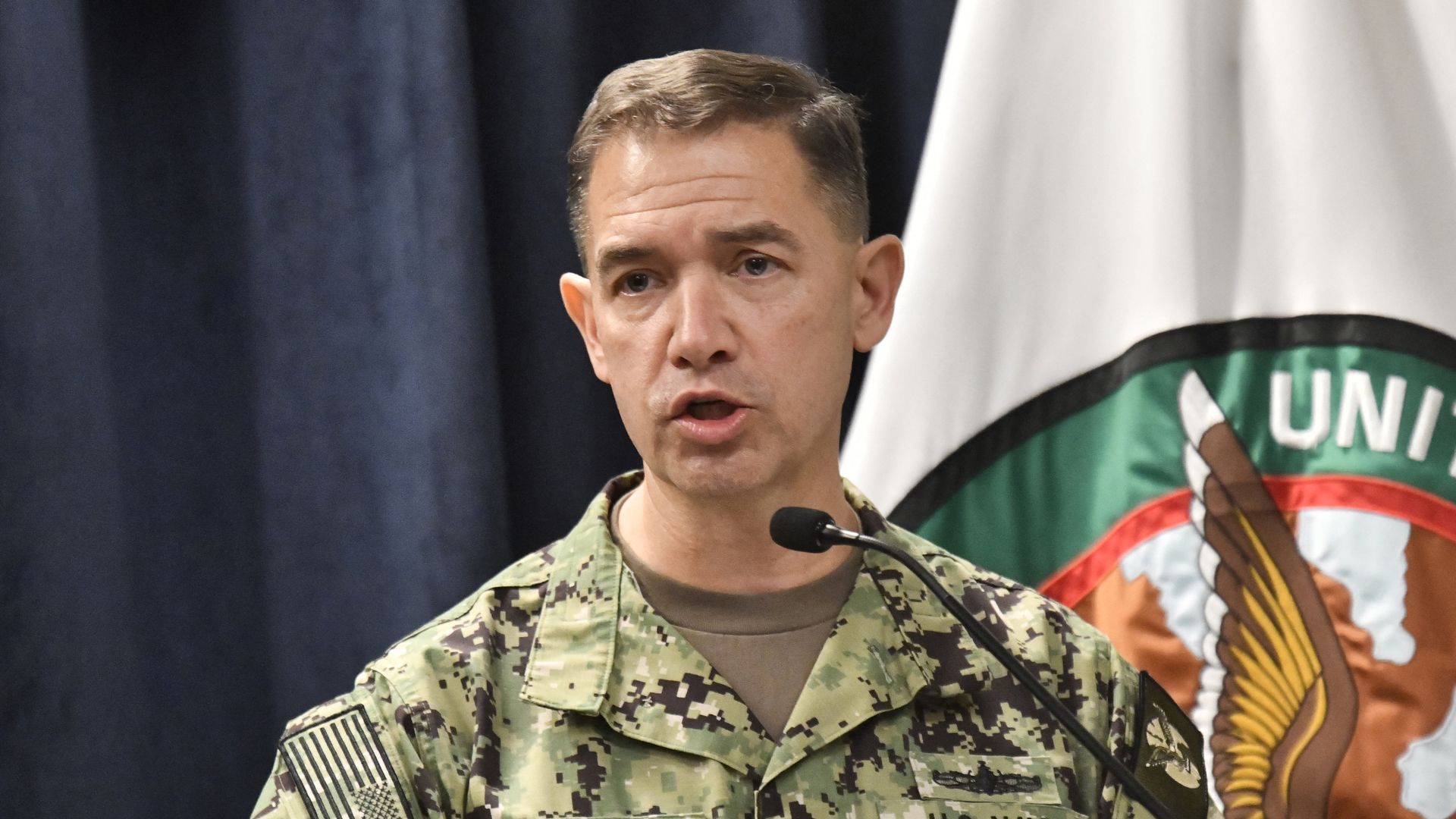
The news reports that U.S. CENTCOM chief Adm. Brad Cooper briefed President Trump on the U.S. naval blockade of Iran, while Trump pursues two tracks: a deal to restart talks and preparation for possible major combat after the U.S. midterm elections. For cross-border sellers, this is an indirect but material freight risk, not a settled event. The blockade and disruption in the Strait of Hormuz can lift shipping, insurance and bunker fuel costs, which typically pass through to carrier surcharges on Middle East and Asia-Europe lanes.
The operational impact is concentrated in Gulf-bound and transit-dependent lanes. The news reports that a Qatar-led mediator group is working to prevent renewed war, and that U.S. Ambassador Tom Barrack said the sides are "very close" to a de-escalation deal, though no comprehensive solution would come immediately. Iran's position is that the blockade must be lifted, frozen funds released and oil sales allowed before nuclear talks resume. Sellers should therefore treat this as a scenario-based risk: a deal could ease rates quickly, while a return to major combat would likely extend disruption beyond the midterms.
Specifically for sellers, the exposure differs by segment. Sellers using Amazon FBA or 3PL hubs serving UAE and Saudi Arabia may see delivery delays, customs holds and payment friction. Asia-Europe sellers running ocean consolidation may face higher peak-season surcharges, and fuel-sensitive bulky categories such as home goods and furniture are most exposed to freight cost pass-through. Industry data suggests that prolonged Gulf disruption in past episodes has added several hundred dollars per container in emergency surcharges, and sellers with thin margins under 15% can see net profit compress quickly. Small sellers with single-carrier contracts are the most vulnerable, while larger sellers with multi-carrier contracts can reroute more easily.
Looking at the broader pattern, this follows earlier maritime security episodes in the Red Sea and Hormuz region, where carriers repeatedly added war-risk and emergency surcharges with little notice. The operational lesson is to act on signals before rate notices arrive. Monitor carrier surcharge notices and war-risk premium announcements weekly, and watch the mediation timeline. Logistics planners should treat the risk as ongoing rather than resolved, because official statements remain sensitive and no timeline is confirmed.
Questions 6
What should sellers monitor in the coming weeks?
Sellers should monitor carrier surcharge and war-risk notices weekly, along with official statements on the blockade and mediation progress. Key signals include any agreement to release frozen Iranian funds, changes to oil sales permissions, and announcements of humanitarian goodwill shipments. Set internal triggers, such as reviewing pricing if surcharges exceed a set threshold, so decisions are made before the next rate cycle.
How does the US naval blockade of Iran affect cross-border freight rates?
The news reports a U.S. naval blockade of Iran and military operations guiding oil tankers out of the Strait of Hormuz. Industry data shows that disruption in this chokepoint typically raises war-risk insurance, bunker fuel and emergency carrier surcharges on Middle East and Asia-Europe lanes. Sellers should expect rate notices with short lead times and should budget for a possible increase in per-container costs during the disruption period. Rates may ease quickly if a de-escalation deal is reached, but the timing is uncertain.