
Fuel Cost Surge Strands Cruise Passengers | Logistics Impact for Sellers 2026
- Fuel-driven surcharges may raise landed cost 2-5% for bulky goods sellers shipping FCL and LCL from Asia
Overview
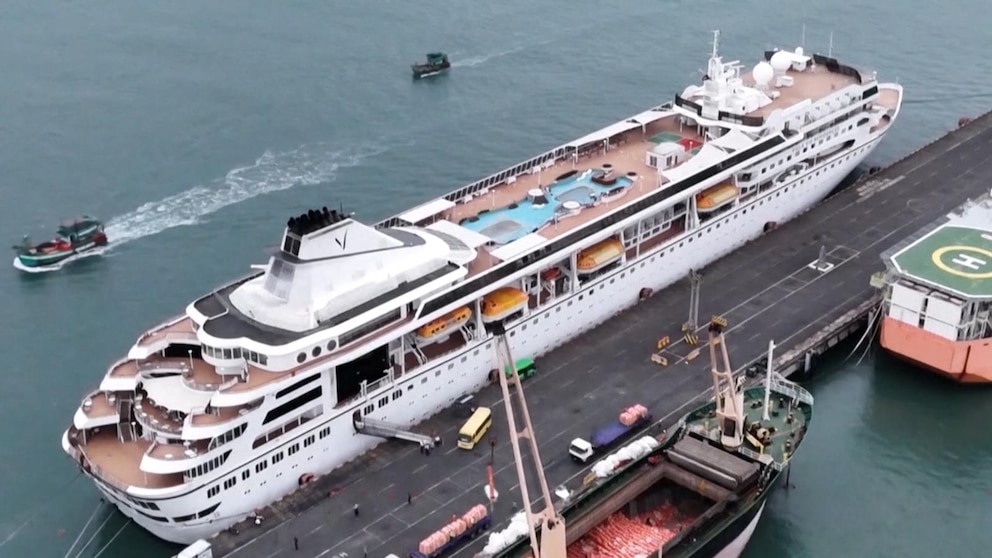
The news reports that Video Cruise cancelled a global voyage over rising fuel costs, stranding approximately 200 passengers in Cambodia, with some passengers having sold their homes to live aboard full-time, according to an ABC News item dated October 29, 2026. The source itself has no direct link to cross-border e-commerce platforms, policies, or seller operations, but the underlying driver, rising bunker fuel prices, is a material input for ocean freight and last-mile carrier surcharges that cross-border sellers pay every day. Industry data shows that fuel typically represents 40-60% of a container vessel's operating cost, so sustained fuel increases tend to pass through to carriers as bunker adjustment factors (BAF) within one to three months.
The operational impact is most visible on routes where fuel-intensive vessels run long distances, such as Asia to US West Coast and Asia to EU lanes. Sellers shipping LCL or FCL freight should expect quarterly rate reviews to reflect higher BAF, and historically such surcharges have added roughly $100-300 per 40-foot container during comparable fuel spikes. Sellers using Amazon FBA inbound consolidation may see landed cost per unit rise by 2-5% on bulky categories such as home goods and sporting equipment, where freight is a larger share of unit cost. Air freight is similarly exposed through fuel surcharges, and express carriers have historically adjusted fuel surcharge tables on a monthly basis.
Specifically for sellers, the cruise cancellation signals that elevated fuel prices are already affecting travel-adjacent businesses, which can reduce discretionary spending on leisure travel goods and increase demand for lower-cost, lighter products. Sellers in outdoor and travel accessories may see shifting demand, while those in bulky categories should review inventory positioning. Looking at the broader pattern, operators in Southeast Asia and Cambodia are also exposed to regional port and bunker cost volatility, which can affect transit reliability for sellers sourcing from the region.
Questions 6
Should I switch from ocean freight to air freight when fuel prices rise?
Usually not for bulky or low-margin goods, because air freight also carries fuel surcharges and typically costs several times more per kilogram than ocean freight. Air freight may make sense only for high-margin, time-sensitive SKUs where a delay would cost more than the freight premium. Sellers should compare total landed cost, including duties, storage, and stockout risk, before switching modes. Monitor carrier surcharge tables monthly and reassess if fuel prices stay elevated for more than three months.
Which product categories are most exposed to fuel-driven freight increases?
Heavy and bulky categories such as home goods, outdoor gear and travel accessories carry the highest per-unit freight exposure. Low-weight, high-value items like beauty and small electronics absorb surcharges more easily. Sellers in bulky categories should review pricing and FBA inbound plans first.