
Gold Slides to 4-Month Low | Fed Hike Risk Hits Cross-Border Sellers
- Fed Hike Fears and 3.7% CPI Could Pressure Jewelry, Discretionary and Freight-Exposed Sellers
Overview
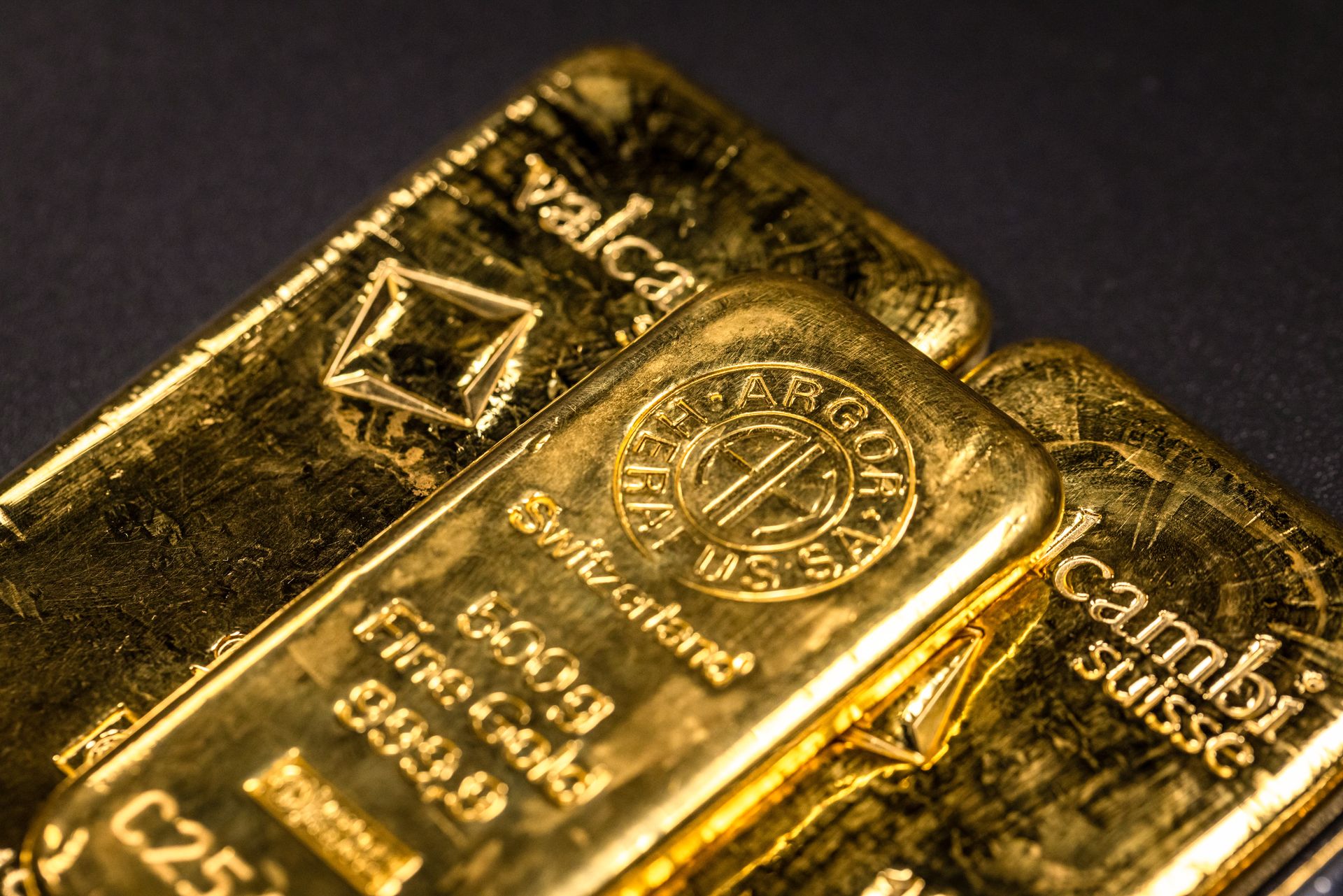
Rising inflation and Fed rate-hike expectations pushed gold to a four-month low, with spot gold at 3,956.09 an ounce and spot silver down 4.53 to 50.01 an ounce. The move signals a tighter financing and consumer-spending environment that cross-border sellers targeting the United States should plan for now. The news reports that US PCE prices rose 3.6 percent year over year in September, while CPI rose 3.7 percent, up from 3.4 percent in August. The Federal Reserve held rates at 3.75 to 4 percent with two of 12 officials dissenting for a hike, and traders had priced roughly a 78 percent chance of a December increase before the decision.
For sellers, the most direct exposure sits in jewelry, bullion-adjacent, and precious-metal-linked categories, where price volatility can compress margins and shift consumer willingness to buy. Gold has declined 4.7 percent during October, and silver, platinum and palladium are on track for weekly and monthly losses. Industry data shows discretionary cross-border purchases tend to soften first when inflation rises, so apparel, home decor and gift categories listed on Amazon and Shopify storefronts may see slower conversion. Similar rate-hike cycles have historically increased working capital costs for small sellers relying on credit lines.
The operational impact is equally important. Oil above 100 dollars per barrel, after a tanker attack in the Strait of Hormuz, is likely to raise freight, fuel surcharges and fulfillment fees for shipments into the US. Sellers should expect landed-cost calculations to shift, and a 5-10 percent increase in inbound freight can erode thin margins on low-price items. The European Central Bank also held rates steady and warned that energy costs could lift inflation, indicating that EU-facing sellers face similar pressures. Currency movements tied to rate differentials should also be monitored for pricing decisions in USD, EUR and GBP markets.
Questions 4
Should jewelry sellers adjust pricing as gold drops to a four-month low?
Jewelry and precious-metal-linked sellers face direct price volatility, with spot gold at 3,956.09 an ounce after a 4.7 percent October decline. Sellers should review metal-content pricing formulas weekly and avoid locking in fixed prices for long periods. Consider shorter promotional windows to limit exposure to further swings. Monitoring spot silver, which fell to 50.01 an ounce, helps anticipate cost changes for sterling products.
How do Fed rate hikes affect cross-border sellers using credit lines?
Higher policy rates raise borrowing costs for inventory and working capital, which can pressure smaller sellers who rely on revolving credit. The news reports the Fed held rates at 3.75 to 4 percent with two of 12 officials favoring a hike, and traders priced roughly a 78 percent chance of a December increase. Sellers should recalculate financing costs for inventory purchases and consider reducing inventory depth on slow-moving SKUs. Reviewing credit facility terms before year-end can prevent margin erosion.