
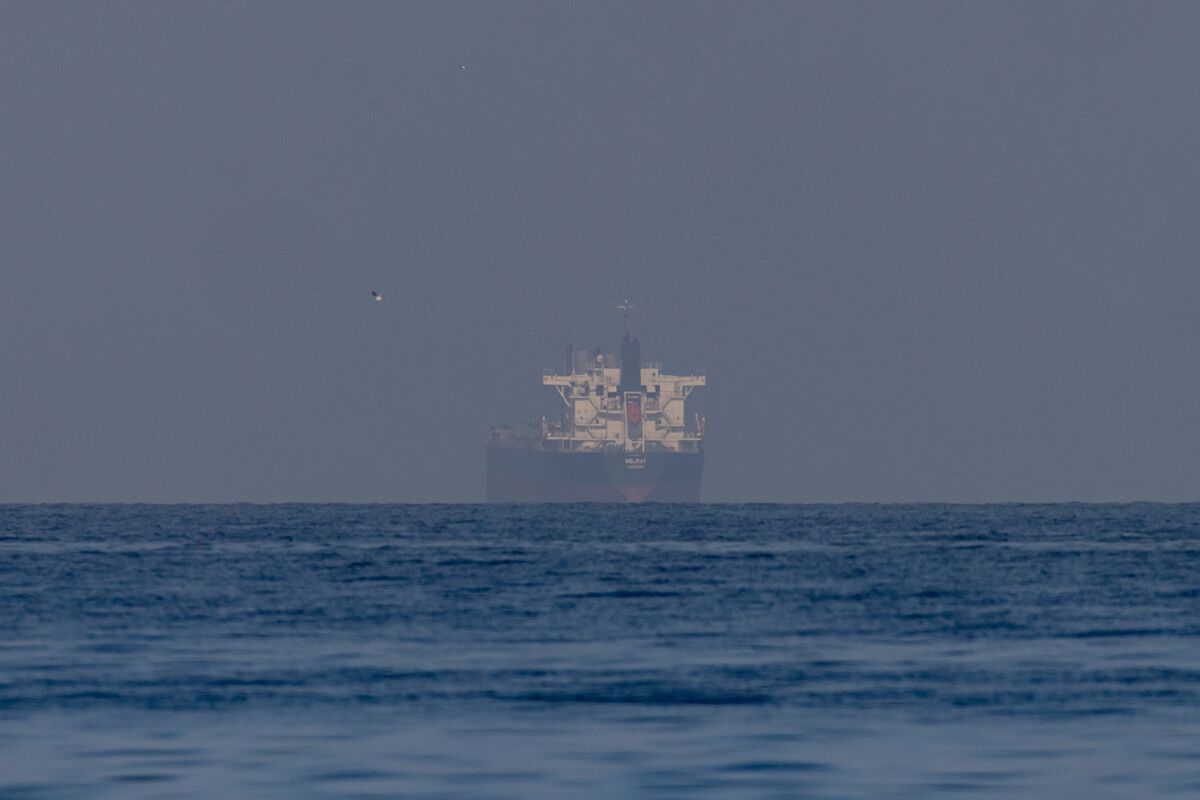

Strait of Hormuz Tanker Attacks | Freight and Insurance Risk for Cross-Border Sellers
- Mine and speedboat incidents on October 30, 2026 may lift freight and insurance costs on Asia-Middle East-Europe lanes for sellers shipping 1000+ units monthly
Overview
The Strait of Hormuz shipping disruption escalated on October 30, 2026, when the IRGC navy reported tankers striking naval mines and catching fire, while UKMTO separately logged a vessel on fire about 25 nautical miles northeast of Khasab, Oman. A separate speedboat attack damaged a commercial tanker's engine, with no injuries above the waterline, and the vessel continued its journey. Official confirmation remains limited: the U.S. military denied the mine claims, stating that all internationally recognized primary transit routes had been cleared, and the cause of the fires and crew condition remain unverified. For cross-border sellers, the operational signal is clear: war-risk insurance premiums, rerouting and longer transit times are likely to raise landed costs on Asia-Middle East-Europe lanes.
The first paragraph of analysis concerns freight and surcharges. Mine incidents and the reported US naval blockade can force vessels onto longer routes and extend transit times. Sellers importing from South Asia, China or Gulf-linked ports such as Jebel Ali and Dammam may face freight rate volatility, emergency fuel surcharges and delayed container availability. The quantified cost impact cannot be determined from these reports alone, but sellers should treat surcharge clauses in carrier contracts as a live risk. Specifically for sellers on Amazon FBA and Shopify storefronts, landed cost models built on pre-conflict freight rates may understate margin compression during the next replenishment cycle.
The second paragraph covers air cargo and the broader conflict. The Houthi claims named refineries at Ras Tanura and Rabigh and international airports in Riyadh and Dammam as targets, but Saudi Arabia had not confirmed any strikes. Air cargo through these hubs is a concern only if the reported airport strikes are verified. A separate report stated that a Panama-flagged tanker was attacked 1.6 nautical miles off Musandam and that 25 crew were evacuated, though its link to the mine claims is unclear. These incidents occur within a conflict that began on February 28 and has repeatedly drawn UN Security Council sessions. Diplomatic signals are mixed: Qatari mediators returned to Tehran, while U.S. officials reportedly told regional allies to prepare for possible renewed military action after the midterm elections. Sellers should weigh these as escalation risks for Q4 and early 2027 schedules.
The third paragraph addresses timing and segment impact. Smaller sellers that rely on single carriers or single Gulf transshipment hubs are most exposed, because they have less negotiating leverage on surcharges and fewer alternative routings. Larger sellers with multi-carrier contracts and bonded warehouses in Europe or the US can absorb delays more easily. Industry data shows that during comparable Gulf disruptions, sellers often see transit time increases of roughly one to three weeks and insurance-related surcharges that can reach mid-single-digit percentages of freight cost, though these figures are indicative rather than specific to this event. Sellers should therefore prioritize buffer inventory for fast-moving SKUs ahead of peak season and monitor UKMTO notices and carrier advisories.
Questions 4
What is the risk to air cargo through Riyadh and Dammam for Shopify merchants?
Houthi claims named international airports in Riyadh and Dammam as targets, but these strikes were not confirmed in the reports. Shopify merchants relying on air freight to Saudi Arabia should plan for possible delays and build extra lead time into promotional launches. Consider pre-positioning inventory in regional fulfillment locations where possible. Monitor official notices before finalizing air freight bookings.
When should sellers expect shipping disruption to ease in the Strait of Hormuz?
The conflict has been ongoing for several months, and further escalation or official confirmation of the reported strikes could extend shipping disruption into late 2026 schedules. US officials reportedly told regional allies to prepare for renewed military action after the midterm elections. Sellers should plan for disruption through Q4 2026 and early 2027 and track UKMTO notices weekly. Treat any easing as provisional until carriers update their advisories.