
Strait of Hormuz Tanker Attacks | Shipping Risk for Cross-Border Sellers
- Tanker attacks and stalled talks could add 2-4% landed-cost pressure and multi-week delays for Gulf-bound sellers
Overview
Renewed Qatari mediation in Tehran, coordinated with Washington, is unfolding alongside a sharp escalation in the Strait of Hormuz, where an explosives attack forced a tanker to return to port, and where the IRGC reported incidents involving three tankers on Friday. For cross-border sellers, the core finding is that Gulf shipping lanes now carry elevated war-risk premiums, rerouting exposure and delivery uncertainty, even though no final agreement has been reported. The UKMTO confirmed a tanker fire roughly 25 nautical miles northeast of Khasab, Oman, with two limpet-type devices attached above the waterline causing an engine room fire; the crew was safe and no environmental impact was reported. The Financial Times described this as the first use of limpet mines in the strait since 2019, a tactical shift that signals a broader threat profile than prior incidents.
Maritime risk is the primary channel of impact on e-commerce. The strait handles a large share of Gulf-bound containerized and bulk traffic, so rising insurance costs and vessel rerouting around the Cape of Good Hope can add transit days and freight surcharges for shipments to the UAE, Saudi Arabia, Qatar, and wider Middle East markets. Industry data shows that war-risk insurance premiums in conflict-adjacent waters have historically risen several-fold within weeks of attacks, and carriers typically pass these costs through as emergency surcharges. Sellers using Amazon Global or Noon-linked fulfillment into the Gulf should expect longer delivery windows and higher landed costs, particularly for bulky home, electronics, and automotive accessories.
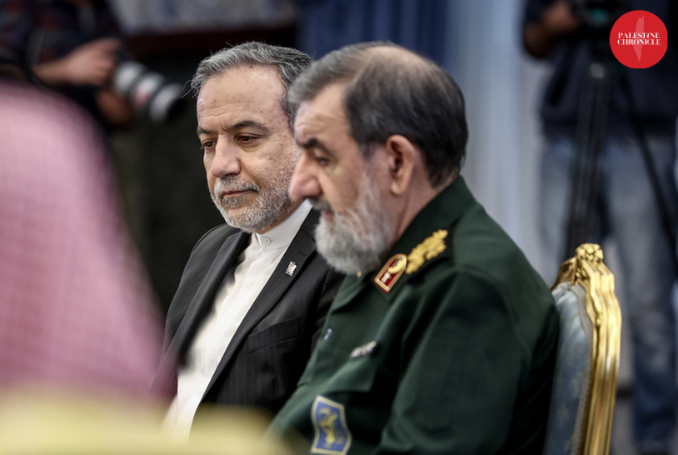
Mediation progress and diplomatic signals determine the duration of this risk. Reports indicate US Vice President JD Vance wrote to Mohsen Rezaei to revive talks, Tehran has received but not answered the message, and an informed Iranian source says seven conditions must be implemented together before the strait reopens. German Chancellor Friedrich Merz also said Europe would need to adjust to shifting US foreign policy. Specifically for sellers, the operational impact is that a stalled negotiation implies prolonged uncertainty, while a breakthrough could rapidly lower premiums but would not instantly restore schedules. Sellers should plan for a 1-3 month disruption window and treat any de-escalation announcement as a signal to re-quote freight rather than immediately resume normal lead times.
Immediate Actions (0-30 days): Confirm with your freight forwarder whether Gulf-bound consignments route through Jebel Ali or Dammam and request surcharge schedules in writing. Shift near-term Gulf inventory replenishment earlier by 2-3 weeks and update delivery promise dates in Seller Central shipping templates. Strategic Adjustments (1-6 months): Evaluate Gulf-facing warehousing or a regional 3PL in Saudi Arabia or the UAE to buffer transit shocks, and diversify origin ports toward Red Sea-independent routes where feasible. Risk Mitigation: Monitor UKMTO advisories and carrier war-risk notices weekly, and avoid committing to fixed-price freight contracts longer than 60 days while premiums remain volatile. Cost-benefit analysis: a 2-4% landed-cost buffer is typically cheaper than stockouts during a multi-week disruption.
Questions 4
How do Strait of Hormuz tanker attacks affect cross-border delivery times to the Gulf in 2025?
Attacks in the Strait of Hormuz typically add freight surcharges and rerouting delays for shipments into the UAE, Saudi Arabia, and Qatar. The UKMTO confirmed a tanker fire about 25 nautical miles northeast of Khasab, Oman, with the crew safe and no environmental impact reported. Sellers should expect transit windows to lengthen while insurers reassess risk and carriers adjust schedules. Planning for a 2-3 week buffer on Gulf-bound orders is a prudent baseline until conditions stabilize.
Should I pause Gulf shipments through Amazon Global until the Hormuz situation clears?
Pausing entirely is rarely necessary, but pre-shipping inventory earlier and confirming carrier surcharges is advisable. The news reports that Tehran has not yet responded to renewed US outreach and that no final agreement exists. Industry data shows war-risk premiums can stay elevated for weeks after incidents. Review Amazon Global inbound timelines and set customer delivery promises conservatively for the next 30 days.