

Hormuz Tanker Attacks Raise Freight Risk | Cross-Border Sellers Act Now
- Freight, insurance and delivery timelines face 5-15% cost pressure for Asia-Middle East and Asia-Europe sellers
Overview
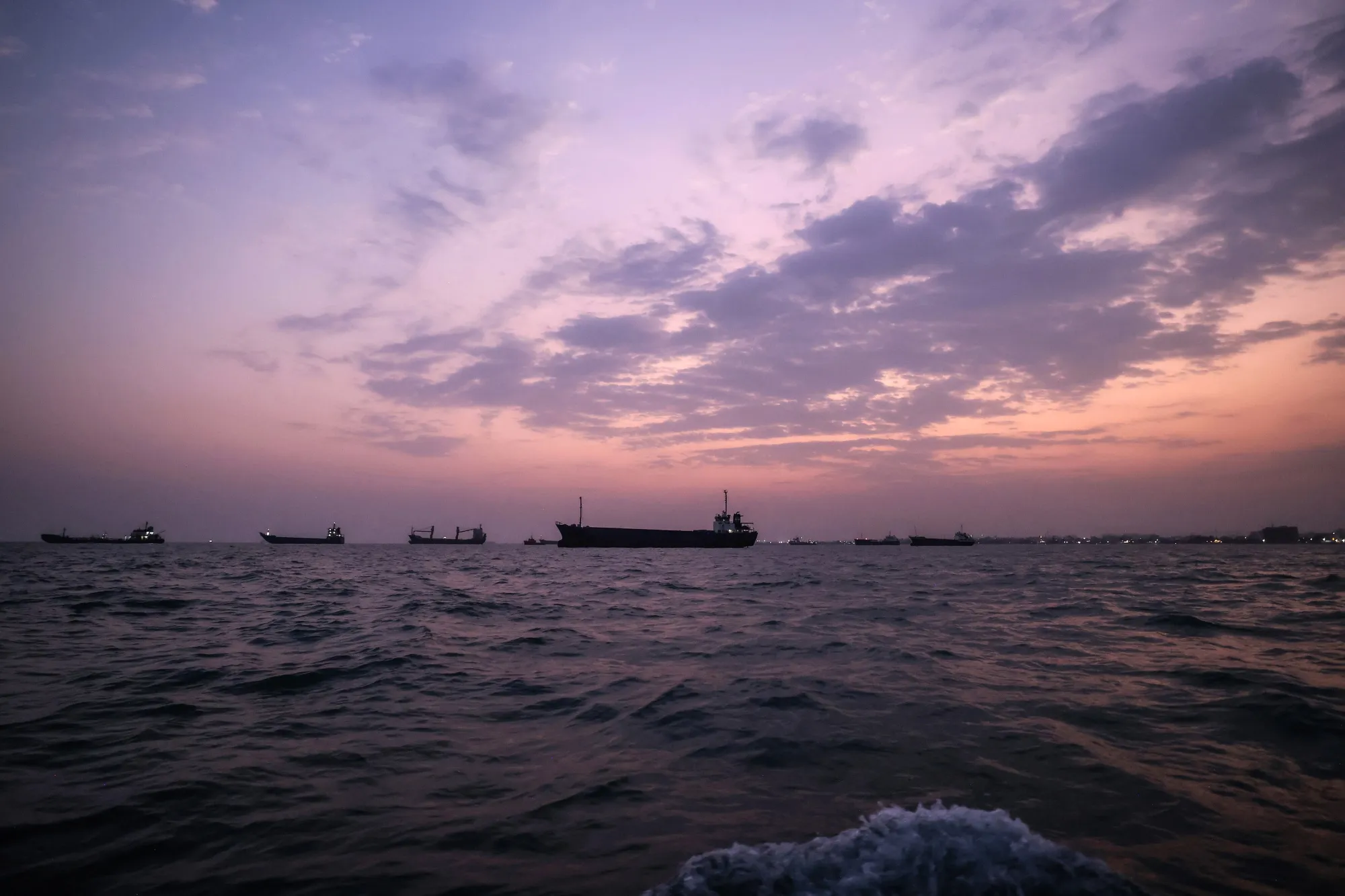
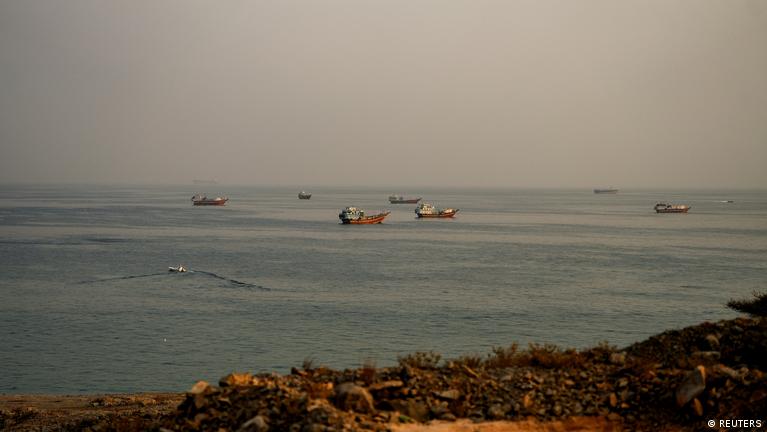
Iran-linked attacks in the Strait of Hormuz are escalating, and cross-border sellers moving goods between Asia, the Middle East and Europe should treat the disruption as a near-term freight and delivery risk. The reporting shows four supertankers hit on October 30, 2026 per the IRGC, two tankers reportedly struck mines, and UKMTO counting at least 144 attacks across the Strait of Hormuz, Gulf of Aden and Sea of Oman since February 28, 2026. Transits have fallen roughly 70% below pre-war levels, with 122 outbound and 155 inbound crossings in the week ending October 30, according to UKMTO as reported by Al Jazeera.
The operational impact is concentrated in freight rates, war-risk insurance and routing. The news reports that Brent futures settled at 117.64 dollars and WTI at 104.12 dollars, with Brent up 13.6% and WTI up 15.2% in October. Fuel-linked surcharges from carriers typically follow crude moves within weeks, so sellers on Asia-Europe and Asia-Middle East lanes should expect surcharge increases and longer transit windows. Industry data shows that rerouting around disrupted chokepoints can add 7-14 days to ocean transit, and war-risk premiums can rise sharply for vessels entering listed zones.
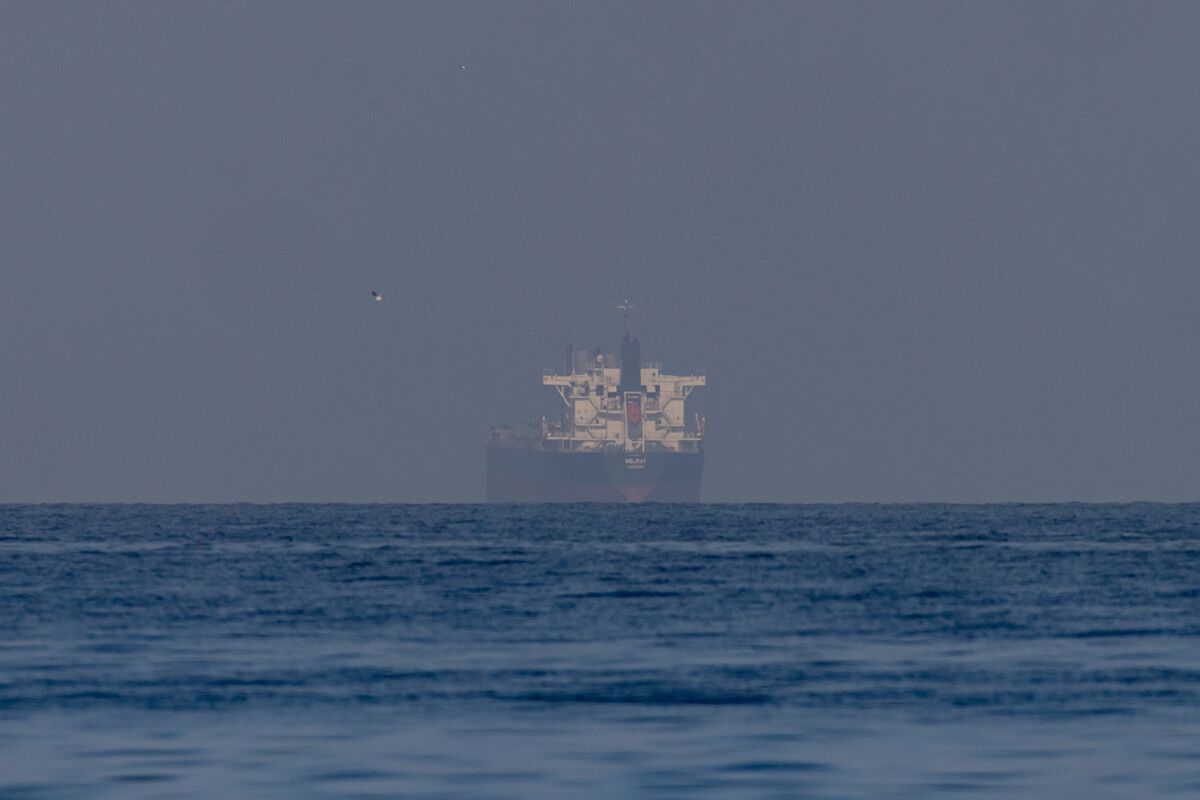
The Louise 1 incident adds a South Asia dimension. The news reports that the Panama-flagged tanker Louise 1 was struck with limpet mines about 25 nautical miles northeast of Khasab, carrying 27 Indian seafarers, and that it was the first known successful limpet mine attack in the waterway since the war began. A second Indian-crewed tanker was attacked on October 29. Sellers shipping from India to the Gulf and Europe should expect carriers to tighten schedules and apply conservative surcharges. Bloomberg reporting also indicates a US blockade of Iranian oil exports, which can restrict payment flows and permitted trade lanes, so sellers with Iran or Gulf exposure should review sanctions and export compliance before shipping.
Specifically for sellers, the Amazon FBA, Shopify and Temu merchants most exposed are those with ocean-freight replenishment through the Gulf. Sellers in categories with high freight sensitivity, such as furniture, appliances and bulky home goods, typically see landed cost increases of 5-15% during comparable disruption periods. Carrier advisories, war-risk surcharge notices and UKMTO updates should be checked weekly. The news reports that Iran has offered a plan to reopen the strait within seven days, but this is not confirmed, and Trump has said the conflict will end soon, which is equally unverified. Sellers should plan for prolonged volatility rather than a quick normalization.
Questions 4
How do Strait of Hormuz attacks affect Amazon FBA and Shopify sellers shipping from Asia?
The news reports that UKMTO recorded transits about 70% below pre-war levels, which can lengthen ocean routings for Asia-Middle East and Asia-Europe lanes. Industry data shows rerouting can add 7-14 days and raise carrier surcharges. Sellers using Amazon FBA or Shopify should build 2-3 weeks of extra safety stock for affected lanes and confirm inbound timelines with their freight forwarder before replenishing.
Should I change my ocean freight carrier because of Hormuz tanker attacks?
The reporting does not name any carrier-specific impacts, so changing carriers based on this news alone is premature. Sellers should request written war-risk and fuel surcharge notices from current carriers and compare quotes from two alternative providers. Monitor UKMTO advisories and carrier notices weekly, and only switch if surcharges exceed roughly 10-15% of current freight cost.