


Strait of Hormuz Attacks Raise Freight Risk | Sellers Act Within 30 Days


Overview
placeholder
Questions 4
Should I reroute shipments away from Gulf-linked freight routes now?
The reported facts do not yet confirm a formal carrier reroute, so sellers should wait for official carrier advisories and UKMTO notices before changing routes. Rerouting around the Gulf can add roughly 7 to 14 days to transit, so only shift shipments where the delay is acceptable for your inventory cycle. Compare the extra transit cost against the surcharge increase before committing. Review decisions weekly through the US midterm elections on November 3.
Which seller segments are most exposed to Middle East shipping disruption?
Small sellers using LCL consolidation through Gulf-linked hubs are most exposed because they have little negotiating power with carriers. Low-margin categories such as home goods, apparel, and small electronics see the sharpest margin compression from even modest freight increases. Large sellers with multi-carrier contracts and EU fulfillment inventory have more buffer. Sellers on TikTok Shop and Temu with thin margins should review pricing this month.
How do Strait of Hormuz attacks affect freight costs for Amazon and Shopify sellers?
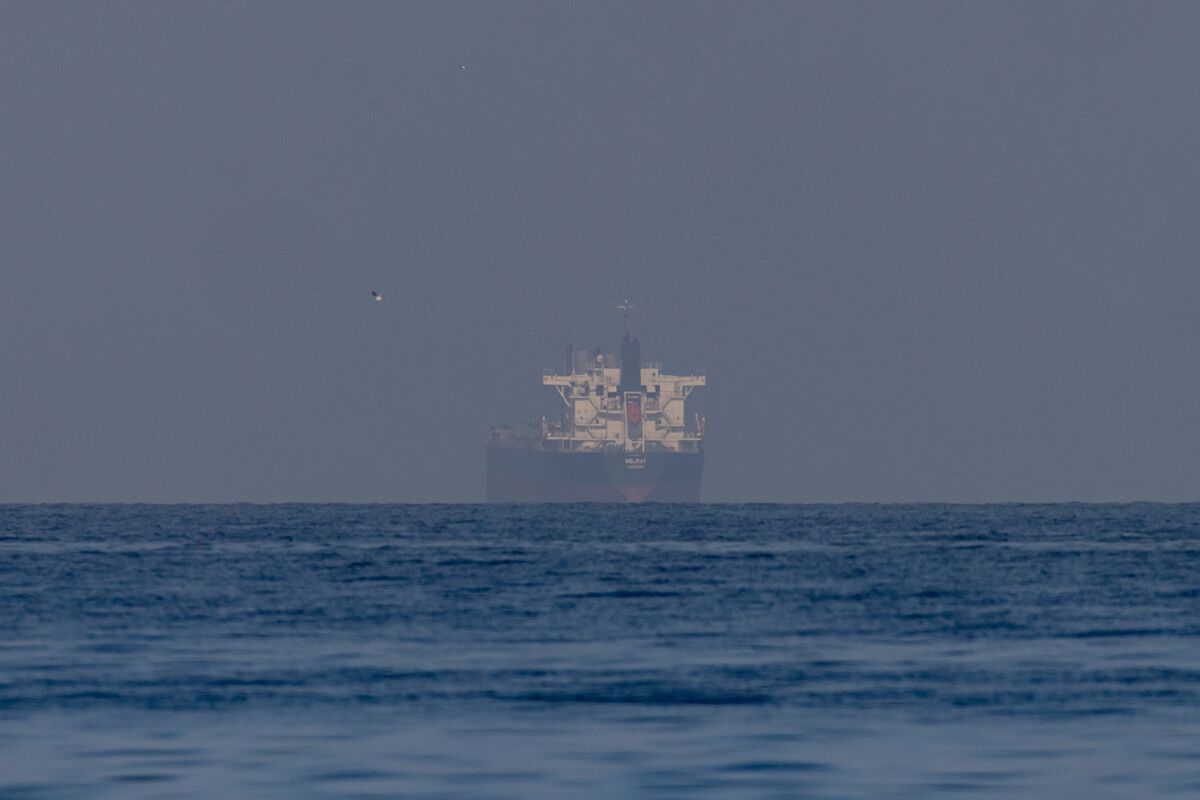
The news reports that a tanker engine was damaged by explosives on October 30, 2026, and that oil prices surged to their highest since late April. Industry data shows that bunker surcharges and war-risk insurance typically rise within days of such incidents, which can add 15 to 25 percent to container freight on Asia-to-Europe lanes. Sellers using Amazon Global Logistics or Shopify-linked 3PL freight should ask carriers for written surcharge notices before accepting new rates. Expect cost pressure to persist while the conflict continues.
What should sellers do about insurance and delivery timelines in the next 30 days?
Confirm with your freight forwarder whether war-risk insurance surcharges apply to your shipments and request the premium breakdown in writing. Add 7 to 14 days of contingency to delivery promises for Asia-to-Europe orders, and update listing delivery estimates on Amazon and Shopify to avoid late-delivery penalties. Maintain safety stock of two to three weeks for top-selling SKUs. Monitor carrier surcharge notices and official shipping advisories weekly.
Should I reroute shipments away from Gulf-linked freight routes now?
The reported facts do not yet confirm a formal carrier reroute, so sellers should wait for official carrier advisories and UKMTO notices before changing routes. Rerouting around the Gulf can add roughly 7 to 14 days to transit, so only shift shipments where the delay is acceptable for your inventory cycle. Compare the extra transit cost against the surcharge increase before committing. Review decisions weekly through the US midterm elections on November 3.
Which seller segments are most exposed to Middle East shipping disruption?
Small sellers using LCL consolidation through Gulf-linked hubs are most exposed because they have little negotiating power with carriers. Low-margin categories such as home goods, apparel, and small electronics see the sharpest margin compression from even modest freight increases. Large sellers with multi-carrier contracts and EU fulfillment inventory have more buffer. Sellers on TikTok Shop and Temu with thin margins should review pricing this month.