

Hormuz Tanker Attacks Raise Asia-Europe Freight Costs | For Sellers
- Strait of Hormuz transits down roughly 70% and Brent at $117.64 pressure freight and fuel surcharges for Asia-Europe and Asia-Middle East sellers


Overview
placeholder
Questions 3
What does the IRGC coordination requirement mean for shipping through Hormuz?
The news reports the IRGC stated that any vessel crossing the strait should coordinate in advance, signalling Tehran will maintain control over the waterway. Carriers may face additional clearance steps and delays on routes that transit Hormuz. Sellers should ask carriers whether routings avoid the strait entirely. Verify routing and insurance terms in writing before shipment.
Should sellers shipping to the Middle East change inventory buffers now?
Yes, sellers relying on Asia-Middle East lanes should review contingency logistics and inventory buffers. The news reports Brent settled at 117.64 dollars a barrel and WTI at 104.12 dollars, pointing to sustained fuel-driven cost pressure. Consider holding extra safety stock in regional warehouses for the next one to three months. Avoid committing to fixed shipping prices beyond the current quarter.
How does the Strait of Hormuz disruption affect Asia-Europe shipping costs for sellers?
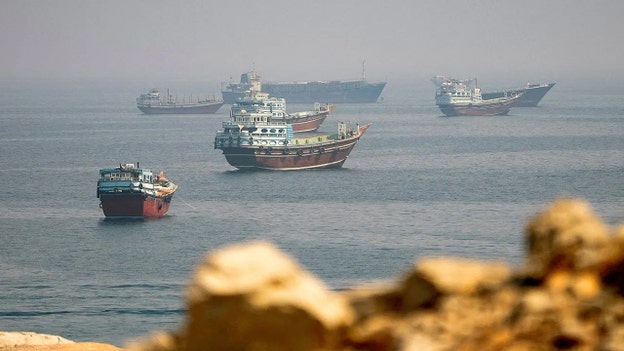
The news reports that UKMTO recorded 122 outbound and 155 inbound transits in the week ending Friday, roughly 70 percent below pre-war levels, and at least 144 attacks have been counted since February 28. Carriers may reroute cargo, extending transit times and raising insurance and freight costs. Sellers on Asia-Europe lanes should expect higher fuel-linked surcharges and should confirm surcharge terms with their freight forwarders. Monitor carrier notices before locking in quarterly rates.
What does the IRGC coordination requirement mean for shipping through Hormuz?
The news reports the IRGC stated that any vessel crossing the strait should coordinate in advance, signalling Tehran will maintain control over the waterway. Carriers may face additional clearance steps and delays on routes that transit Hormuz. Sellers should ask carriers whether routings avoid the strait entirely. Verify routing and insurance terms in writing before shipment.