

Hormuz Tanker Attacks Raise Freight Costs | Seller Impact 2026
- Tanker strikes and 70% transit drop could lift Asia-Europe freight costs and extend delivery times for sellers
Overview
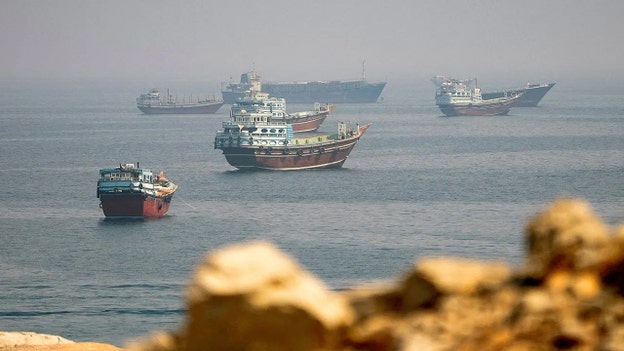
The Strait of Hormuz disruption is the dominant freight risk for cross-border sellers right now. The IRGC said on October 30, 2026 that four supertankers were hit while transiting routes Iran had not authorised, with two reportedly striking mines, and UKMTO recorded only 122 outbound and 155 inbound transits in the week ending that Friday, roughly 70 percent below pre-war levels. Brent settled at 117.64 dollars and WTI at 104.12 dollars, after gains of 13.6 percent and 15.2 percent in October. For sellers, this is a fuel-cost and routing shock layered on top of a capacity squeeze, and it lands hardest on Asia-Europe and Asia-Middle East lanes.
Fuel-linked surcharges and freight rates are the most direct cost channel. Carriers typically pass through bunker price increases via emergency and fuel surcharges, so a sustained oil level above 100 dollars can push ocean and air cargo rates up quickly. Sellers using Amazon FBA inbound ocean shipments, Shopify DTC brands with consolidated sea freight, or Temu and Shein supplier-led programmes should expect rate reviews and reduced carrier flexibility. Industry data shows that when Red Sea and Gulf routing disruptions occurred previously, transit times stretched by roughly 1-3 weeks and landed costs rose meaningfully for mid-sized importers, with small sellers less able to absorb it through volume contracts.
Rerouting and insurance costs compound the transit delay. The news reports that carriers may reroute cargo, extending transit and raising war-risk insurance premiums. Sellers relying on Gulf transshipment hubs for Europe or the Middle East face the highest exposure, while US-bound Pacific lanes are largely unaffected by this specific chokepoint. European sellers, already facing more than 100 billion euros in added energy costs according to German Chancellor Friedrich Merz, will see cost pressure flow through to logistics and consumer prices, which can soften discretionary demand in home, apparel and consumer electronics categories.
The operational response should prioritise contingency planning. Review inventory cover against extended lead times, consider holding 2-4 additional weeks of safety stock for Europe and Middle East SKUs, and request carrier advisories on routing and surcharge schedules. Monitor UKMTO and carrier notices before committing to route changes, since Trump has said the conflict will end soon while the IRGC insists vessels coordinate in advance, leaving timing and scope uncertain.
Questions 4
What are the cost implications of the Hormuz disruption for European sellers?
European sellers face higher landed costs through fuel surcharges, extended transit, and insurance premiums, with energy pressure already significant. Chancellor Merz stated the conflict has added more than 100 billion euros to Europe's energy costs over eight months. Freight-heavy categories such as furniture, home goods and bulky consumer products are most exposed. Sellers should model landed cost scenarios with a 5-15 percent logistics increase as a planning assumption, though actual impact will vary by lane and carrier.
Should I reroute Asia-Europe inventory away from the Middle East hubs now?
Whether to reroute depends on your carrier's current advisories and your cost tolerance. The IRGC has said vessels should coordinate in advance, and Trump says the conflict will end soon, so timing is uncertain. Sellers can compare transit times and war-risk premiums across alternative routings before committing. Holding extra safety stock of 2-4 weeks for European SKUs is a lower-risk step while the situation develops.