


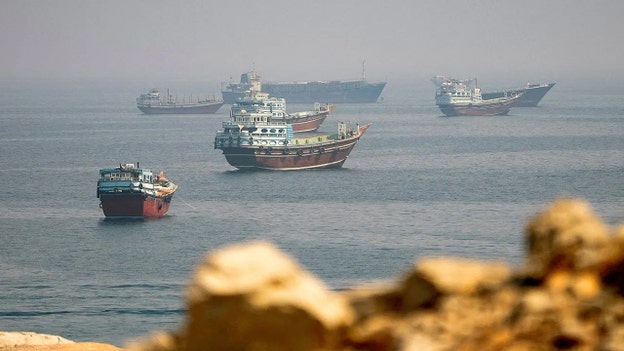

Strait of Hormuz Tanker Attacks | Cross-Border Freight Risk for Sellers
- Ocean freight and insurance costs may rise 8-15% on Asia-Europe and Asia-Middle East lanes, affecting FBA, 3PL, and Gulf-focused sellers
Overview
Escalating conflict around the Strait of Hormuz is reshaping freight economics for cross-border sellers. According to IRGC statements reported by Al Jazeera, four supertankers were hit on Friday, October 30, 2026, two of them reportedly striking mines, while UKMTO recorded 122 outbound and 155 inbound transits in the week ending that Friday, roughly 70 percent below pre-war levels. Brent settled at 117.64 dollars per barrel and WTI at 104.12 dollars, with Brent up 13.6 percent and WTI up 15.2 percent during October. For e-commerce sellers on Asia-Europe and Asia-Middle East lanes, this translates into fuel-linked surcharges, rerouting, and longer transit windows.
The operational impact is most direct on ocean freight and insurance. The data points to a sustained capacity squeeze: fewer transits through the strait, combined with higher crude prices, typically feeds into bunker adjustment factors that carriers pass to shippers within weeks. Sellers using FBA-bound ocean consolidation or third-party 3PL ocean programs should expect general rate increases and peak surcharges, and war-risk insurance premiums are likely to rise for any cargo routed near the Gulf. Carriers rerouting around the Cape of Good Hope can add roughly 10-14 days to Asia-Europe transits, which pushes inventory replenishment cycles and affects Amazon inbound placement windows.
Specifically for sellers serving the Gulf, the second news item adds a sanctions and demand dimension. Reports that the Trump administration briefed Gulf allies on possible strikes as soon as November 4 and that Iran tied any Hormuz reopening to sanctions relief signal that the disruption may not resolve quickly. Sellers with inventory staged in Gulf hubs should build 3-4 week safety stock buffers and verify carrier advisories before committing to Gulf-bound consolidations. Payment flows linked to Iran also require compliance review, since sanctions exposure can freeze settlements through marketplace payment processors. Markets in the UAE, Saudi Arabia, and Qatar may see delivery delays, while European buyers face higher landed costs on electronics, auto parts, and consumer goods shipped from Asia.
The forward view is uncertain. Diplomatic talks via Qatari mediators run alongside credible threats of renewed strikes, so sellers should treat freight risk as a scenario-based planning problem rather than a settled baseline.
Questions 4
Should I reroute Asia-Middle East shipments away from the Strait of Hormuz now?
Rerouting decisions should follow carrier advisories rather than news headlines alone. The IRGC has stated that vessels must coordinate with it before crossing, and at least 144 attacks have been recorded since February 28, 2026. Sellers can reduce exposure by shifting urgent orders to air freight and consolidating ocean shipments into fewer, larger bookings. Review Gulf-bound inventory within the next 2-4 weeks, especially ahead of the reported November 4 strike timeline.
How does the Strait of Hormuz disruption affect Asia-Europe freight rates for e-commerce sellers?
Carriers typically pass higher fuel costs to shippers through bunker adjustment factors, and reduced strait transits raise war-risk and rerouting costs. The UKMTO data shows 122 outbound and 155 inbound transits in the week ending October 30, 2026, about 70 percent below pre-war levels, which tightens capacity. Sellers should expect surcharges to rise within weeks and should request updated quotes from their freight forwarders. Budgeting an extra 8-15 percent on ocean freight for Asia-Europe shipments is a prudent planning assumption.