

Gulf Shipping Risk Rises | Iran-US Talks Impact Sellers 2025
- Gulf-bound freight, insurance, and delivery timelines at risk from Strait of Hormuz disruption after US midterms on November 4
Overview
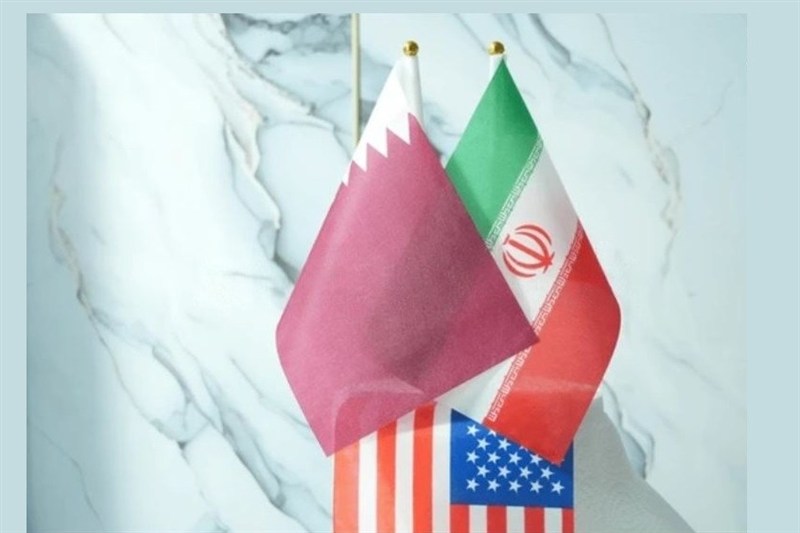
Iran-Qatar mediation in Doha on Saturday, October 31, signals that Strait of Hormuz disruption risk remains live ahead of the US midterm elections on Tuesday, November 4, and sellers serving Gulf markets should treat this as an operational risk event rather than a tariff or trade-rule change. The news reports no sanctions or trade rule modifications, so the impact runs through freight rates, insurance premiums, and delivery timelines rather than duty costs. Regional expectations are that President Donald Trump could resume strikes once voting ends, which would put Gulf shipping lanes under renewed pressure within days.
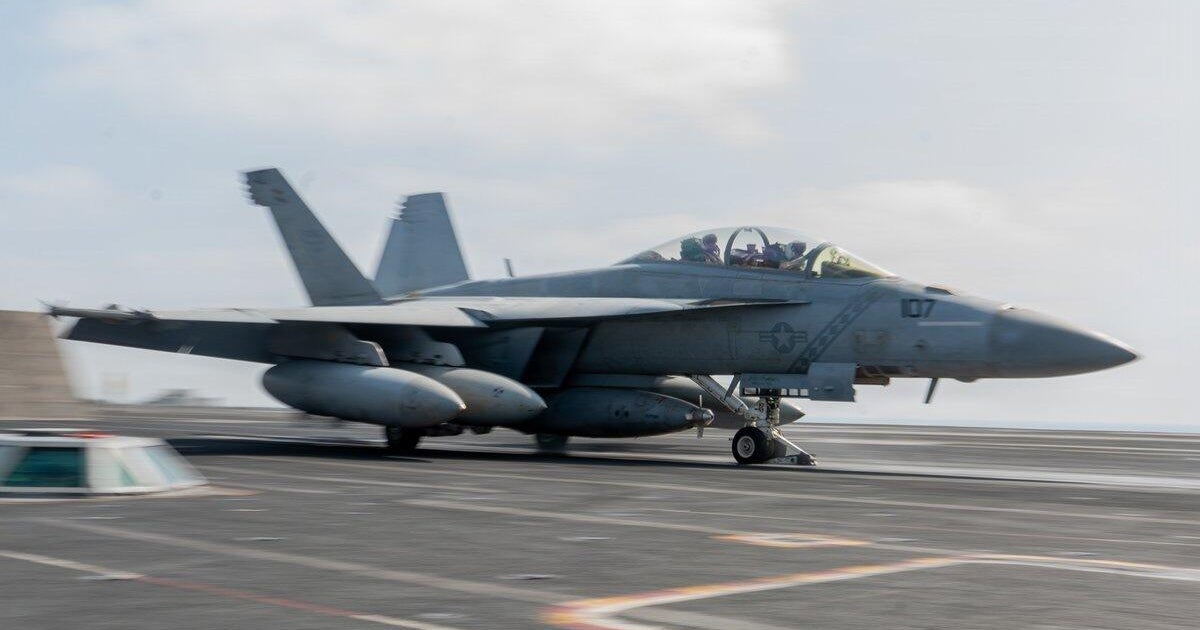
The core exposure sits in logistics. Any renewed strikes could disrupt Gulf shipping lanes, particularly the Strait of Hormuz, and raise freight costs, war-risk insurance premiums, and transit times to and from the Middle East. Industry data shows that conflict-driven rerouting around sensitive maritime chokepoints has historically added several days to transit and lifted freight surcharges, so sellers shipping to the UAE, Saudi Arabia, Qatar, and Kuwait should expect elevated costs if escalation resumes. Sellers using Amazon Middle East programs or Noon and Shopify storefronts with Gulf fulfillment should check which carriers route through the affected corridor.
Diplomacy remains unsettled. The Qatari side offered a seven-day proposal of daily trust-building steps, which a senior Iranian official reported as not satisfactory, while Iran's own plan calls for lifting the US blockade of Iranian ports, unfreezing assets, and reopening the strait under an Iranian-backed route. Vice President JD Vance's letter to a hardline Iranian security official was read by major outlets as a test of whether talks could restart, but Trump downplayed it. For sellers, this means no clear resolution window is visible, and the outcome of the election and subsequent military decisions remains uncertain. Similar escalation periods historically drive air freight rate spikes and order cancellations for Gulf-bound consumer goods, particularly in electronics and beauty categories with short replenishment cycles.
Questions 4
What signals should sellers watch to know when Gulf shipping risk is easing?
Watch for official statements from Washington and Tehran, progress on the Qatari seven-day trust-building proposal, and any move on the Iranian plan to lift the US blockade of ports and unfreeze assets. Easing of these elements would reduce the likelihood of Strait of Hormuz disruption. Sellers should review carrier advisories and insurance terms monthly and reassess buffers once a credible ceasefire framework is announced.
Should I shift Gulf shipments to air freight during the Iran-US standoff?
Air freight can shorten delivery windows but often carries sharp rate spikes during escalation periods, which can compress margins on low-price SKUs. Sellers should compare the cost of air freight against the margin loss from delayed sea shipments and reserve air capacity only for high-margin or urgent items. Track carrier surcharge notices weekly through the November 4 election and any subsequent strike decisions.