
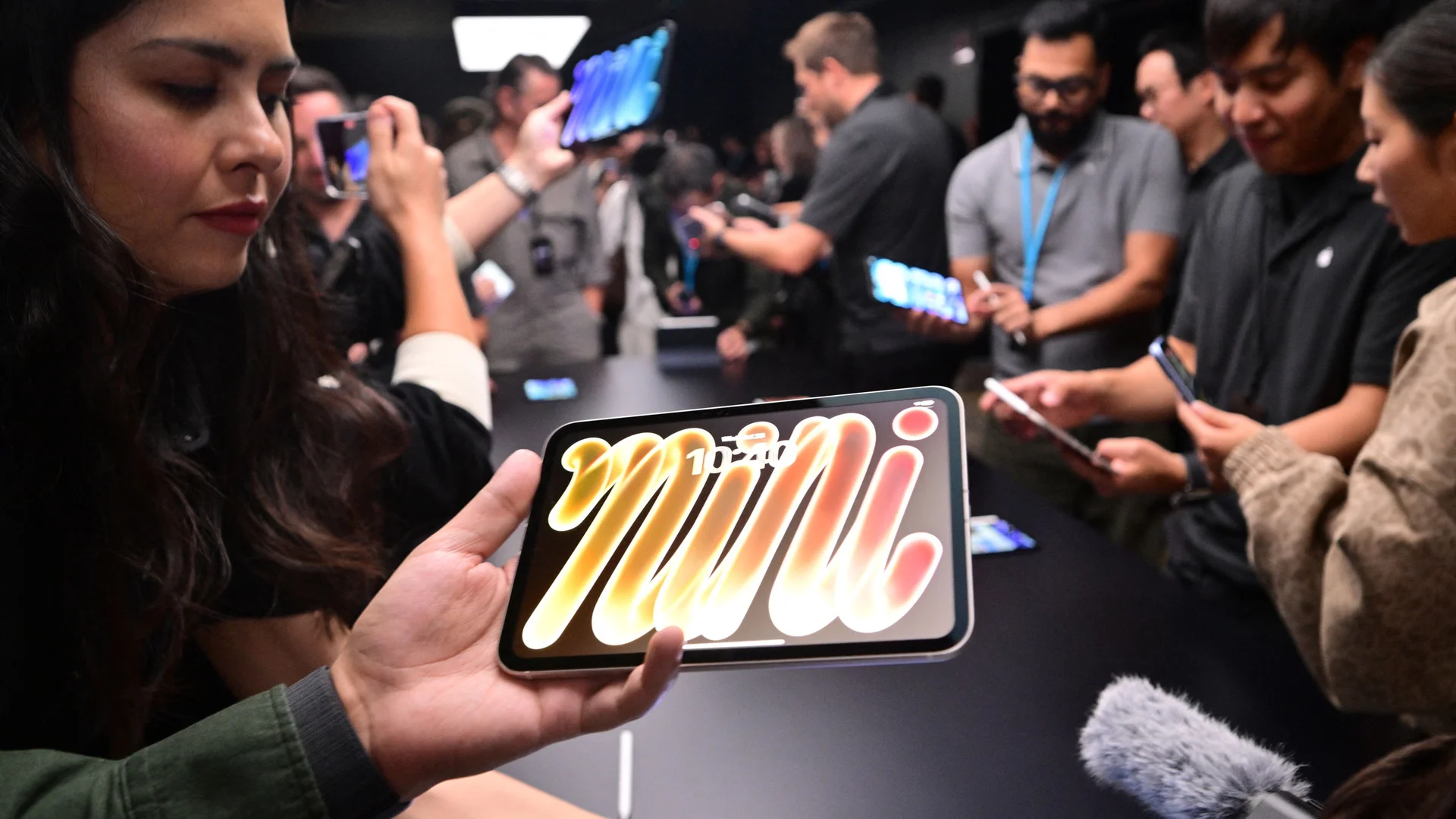
iPad Mini 8 $699 Pricing | Seller Impact on Mini 7 Demand
- Iphone-style price gap of $200 affects Mini 7 stock, 35W adapter sales and listing clarity for compact tablet sellers
Overview
The iPad Mini 8 has drawn scrutiny over whether its upgrades justify a $699 starting price, which is $200 higher than the iPad Mini 7, according to a commentary published by geeky-gadgets.com citing Tech Court. The source is an opinion and buying guide, not an official Apple announcement, and it gives no confirmed launch date or regional pricing. For cross-border sellers in the compact tablet category, the core issue is price-tier positioning and the risk of buyer confusion over specifications and accessories.
The news reports that the Mini 8 base model offers 128 GB storage, an OLED display, IP67 water and dust resistance, the A20 Pro chip, Wi-Fi 7, Bluetooth 6 and Thread support, and a 5.4 mm thickness weighing 255 grams. However, the base model uses a 5-core CPU versus the Mini 7's 6-core CPU, and the 60 Hz refresh rate is unchanged. Fast charging requires a separately sold 35W adapter, which is a key listing risk because the charger is not bundled. Industry patterns show that unbundled accessory costs commonly drive returns and negative reviews on Amazon and Shopify storefronts when buyers expect included chargers.
Specifically for sellers, the operational impact centers on two segments. Sellers holding Mini 7 inventory may see demand shift toward the lower-priced model if the value argument holds, while sellers of 35W adapters and screen protectors may gain attachment sales. Sellers listing the Mini 8 should clearly label storage, refresh rate, CPU configuration and charger status to reduce returns. The source's view that the Mini 7 is better value reflects the author's opinion, not independent testing, so sellers should treat it as a sentiment signal rather than a verified performance result. Historically, price-gap launches of this kind often produce a 2-6 week window of elevated demand for the older model before clearance pricing begins.
Questions 3
What accessories should sellers stock for the iPad Mini 8 and Mini 7 categories?
The article highlights 35W adapters, screen protectors and optional nano-texture glass as relevant accessories for both models. Sellers should prioritize 35W USB-C adapters and protectors compatible with the Mini form factor, since these are needed for fast charging and glare reduction. Nano-texture glass is an optional upgrade, so it can be offered as a premium SKU with a higher margin. Stock levels should follow confirmed launch dates rather than speculation in the source.
Should I restock iPad Mini 7 inventory now that the iPad Mini 8 costs $699?
The news reports the iPad Mini 8 starts at $699, which is $200 above the Mini 7, and commentary suggests the Mini 7 may be better value for many buyers. This is an opinion piece, not independent testing, and the source does not confirm final availability or regional pricing. Sellers should verify official Apple announcements before increasing Mini 7 stock. A cautious approach is to hold current inventory and monitor sell-through on Amazon and Shopify for 2-3 weeks. Sellers risk overstock if the Mini 8 launch timeline shifts or Apple adjusts pricing.