
Russian Oil Strikes Fuel Shipping Volatility | Cross-Border Seller Impact 2026
- Energy-linked freight surcharges and Russia-adjacent sanctions shifts could affect small and mid-size sellers shipping into Eastern Europe and Central Asia
Overview
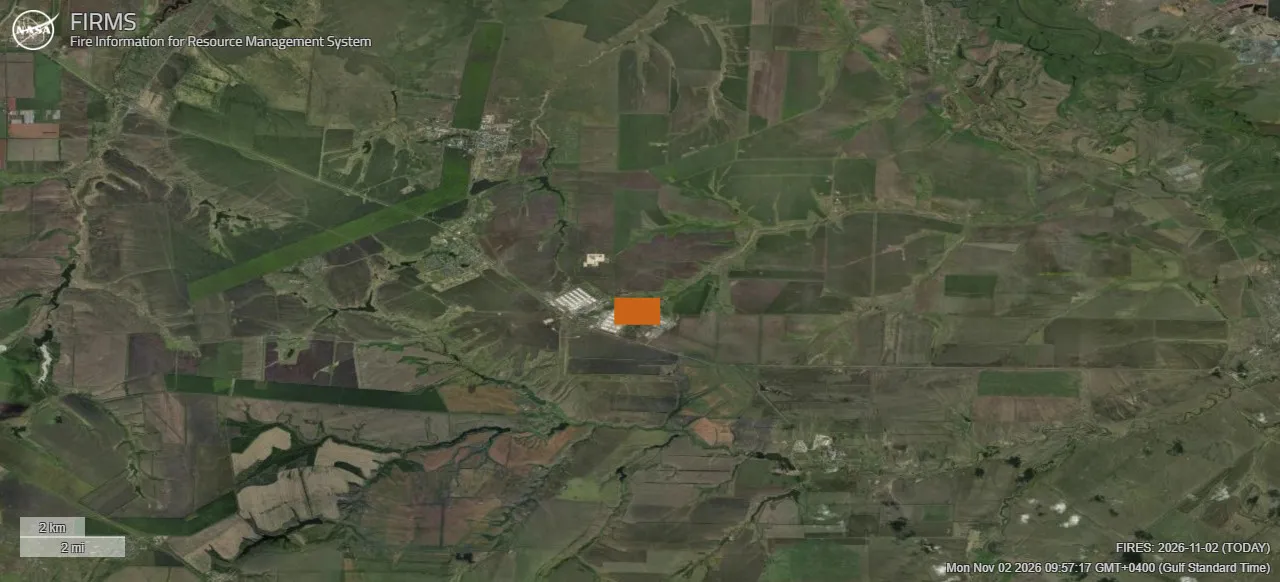
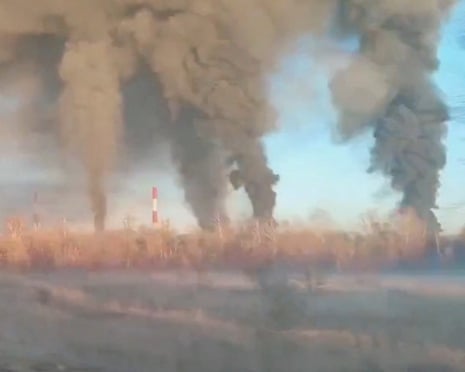
Ukrainian drone strikes on Russian energy assets are re-escalating just as US sanctions policy shifts, creating measurable cost uncertainty for cross-border sellers shipping into Eastern Europe and Central Asia. According to the reporting, Ukraine resumed long-range attacks on Russian refineries, including Kstovo and a Rosneft-owned site in Samara oblast, despite reported White House pressure ahead of the US midterm elections. Trump has blamed Zelenskyy for rising global fuel prices and last month lifted US sanctions on Russian diesel. A NASA FIRMS satellite heat anomaly reported by Bloomberg on November 2, 2026 suggests possible fire at the Samara pumping and storage station, though this remains an unconfirmed potential signal rather than verified damage.
Energy-linked freight costs are the primary channel of impact for e-commerce operations. Fuel surcharges set by carriers in Eastern Europe and Central Asia typically track diesel benchmarks with a short lag, so sustained refinery outages can push surcharges up within weeks. Sellers using regional 3PL providers and last-mile carriers should expect surcharge revisions rather than immediate rate cards. The lifting of US sanctions on Russian diesel is a double-edged signal: it may ease global supply pressure, yet the strikes tighten regional refining capacity, producing conflicting price direction. Sellers should not assume a single trend.
Russian-market logistics face the highest compliance and timing uncertainty. The Oleshky local ceasefire, brokered by Melania Trump, expired without a broader framework, and trilateral talks between Russia, Ukraine and the US are expected later this month. Any sanctions adjustment would directly alter which payment rails, customs filings and carrier options remain usable. Zelenskyy's casualty and territory claims have not been independently verified and should not drive operational decisions.
Specifically for sellers, small and mid-size operators relying on single-carrier routes into Russia-adjacent markets face greater exposure than large sellers with multi-hub fulfilment. Industry patterns show that fuel-driven surcharge spikes of 5-12% have historically persisted for one to two quarters after comparable refinery disruptions. Sellers in Kazakhstan, Georgia and Armenia-bound corridors should track customs clearance times, which often lengthen during sanctions reviews.
The operational impact is best managed through scenario planning rather than prediction. Monitor carrier advisories, US Treasury OFAC notices and regional fuel price indices weekly. Confirm official damage reporting before adjusting pricing.
Questions 4
Is the Samara oil hub fire confirmed, and should I act on it now?
No, the NASA FIRMS heat anomaly reported by Bloomberg on November 2, 2026 is a potential fire signal, not confirmed burning or damage. The article includes no official confirmation from Russian or Ukrainian authorities and no details on storage volumes or outages. Sellers should wait for verified reporting and carrier advisories before changing operations. Treat it as an early warning and monitor it over the next one to two weeks.
Should small sellers shipping to Central Asia change carriers because of the fuel volatility?
Small sellers with single-carrier routes face the greatest exposure, so diversifying to at least two carriers or a multi-hub 3PL is a prudent hedge. The news does not specify carrier-level impacts, so this is based on general logistics practice. Compare surcharge schedules monthly and negotiate fixed-surcharge caps where possible. Avoid locking long-term rates until the trilateral talks outcome is clearer.