
Ukraine Strikes Russian Refineries | Fuel Volatility Risk for Sellers 2025
- Refinery strikes and sanctions shifts could lift freight costs 5-10% for Eastern European sellers
Overview
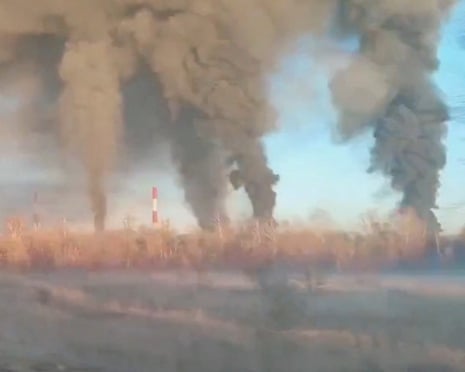
The Ukraine-Russia refinery conflict is resuming despite reported US White House pressure, creating measurable volatility in global fuel prices that flows directly into cross-border freight and fulfilment costs. According to the news reports, Ukrainian drones struck the Kstovo refinery in Nizhny Novgorod oblast and a large Rosneft-owned refinery in Samara oblast, with the Kremlin saying raids restarted on Friday. Trump has blamed Zelenskyy for rising fuel prices and lifted US sanctions on Russian diesel last month, a sanctions shift sellers should track closely.
Energy-driven freight cost volatility is the primary operational risk for sellers using Eastern European lanes. The news reports that Russia launched drone and ballistic missile attacks on city-based energy facilities, leaving hundreds of thousands of households in four Ukrainian regions without power, with Kyiv facing 8-10 hour outages. Industry data shows diesel surcharges on road freight typically move in step with refinery disruptions, so sellers using 3PL providers in Poland, Romania, or Ukraine-adjacent corridors should expect surcharge adjustments within weeks rather than months.
Sanctions policy uncertainty is the second structural risk. The news reports that trilateral Russia-Ukraine-US talks are likely later this month, but analysts see little prospect of a broader breakthrough because Putin still demands Donetsk oblast and additional territory in Kherson and Zaporizhzhia. Sellers in this category typically face compliance complexity when shipping to Russia, where sanctions regimes shift quickly and restrict payment rails, customs documentation, and marketplace access. Specifically for sellers, the operational impact is that any Russian-market fulfilment plan carries policy reversal risk. Zelenskyy's claims of 54,400 Russian casualties and 96.2 square kilometres recaptured have not been independently verified and should not drive sourcing decisions.
Immediate Actions (0-30 days): Review fuel surcharge clauses in freight contracts with your 3PL providers and monitor diesel index movements weekly. Confirm whether any Russian-bound shipments require updated sanctions screening under current US and EU lists. Strategic Adjustments (1-6 months): Consider diversifying Eastern European transit routes and building 10-15% buffer in landed-cost models for energy-linked fluctuations. Risk Mitigation: Monitor US Treasury OFAC sanctions updates and EU sanctions packages before committing inventory to Russia-adjacent markets. Avoid signing long-term fixed-rate freight contracts until the post-talks sanctions direction is clear.
Questions 4
How might Ukraine-Russia talks change logistics planning for Eastern European fulfilment?
Talks could ease or tighten energy-related cost pressures, but outcomes remain uncertain. The news reports trilateral talks may occur later this month, while Putin still demands Donetsk and additional territory, making a wider breakthrough unlikely. Sellers should avoid fixed-rate multi-year freight contracts and instead negotiate indexed pricing. Plan contingency routes through Poland and Germany for Eastern European deliveries in case regional transit disruption intensifies.
What compliance steps should sellers take given shifting US sanctions on Russia?
Sellers should screen all Russian-bound counterparties against OFAC and EU consolidated lists before each shipment. The news reports that Trump lifted US sanctions on Russian diesel, which shows how quickly restrictions can change. Document sanctions checks, retain customs and end-user records, and set a monthly review checkpoint. Build contract clauses allowing suspension if sanctions status changes mid-shipment.